Key Points
- Provenance: A wild selection discovered by Milo Gibson in Chanute, Kansas, around 1970.
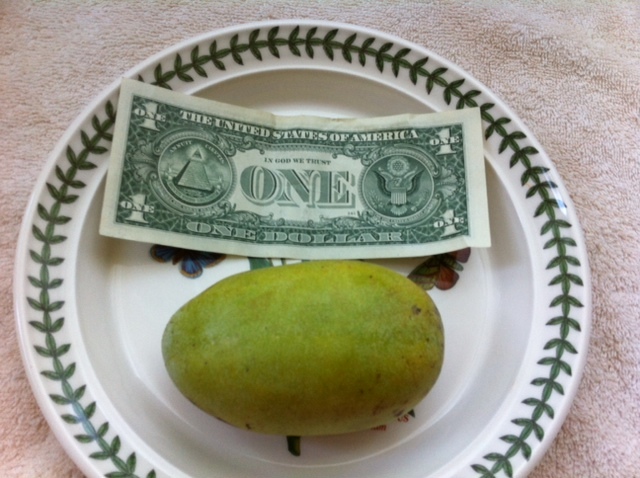
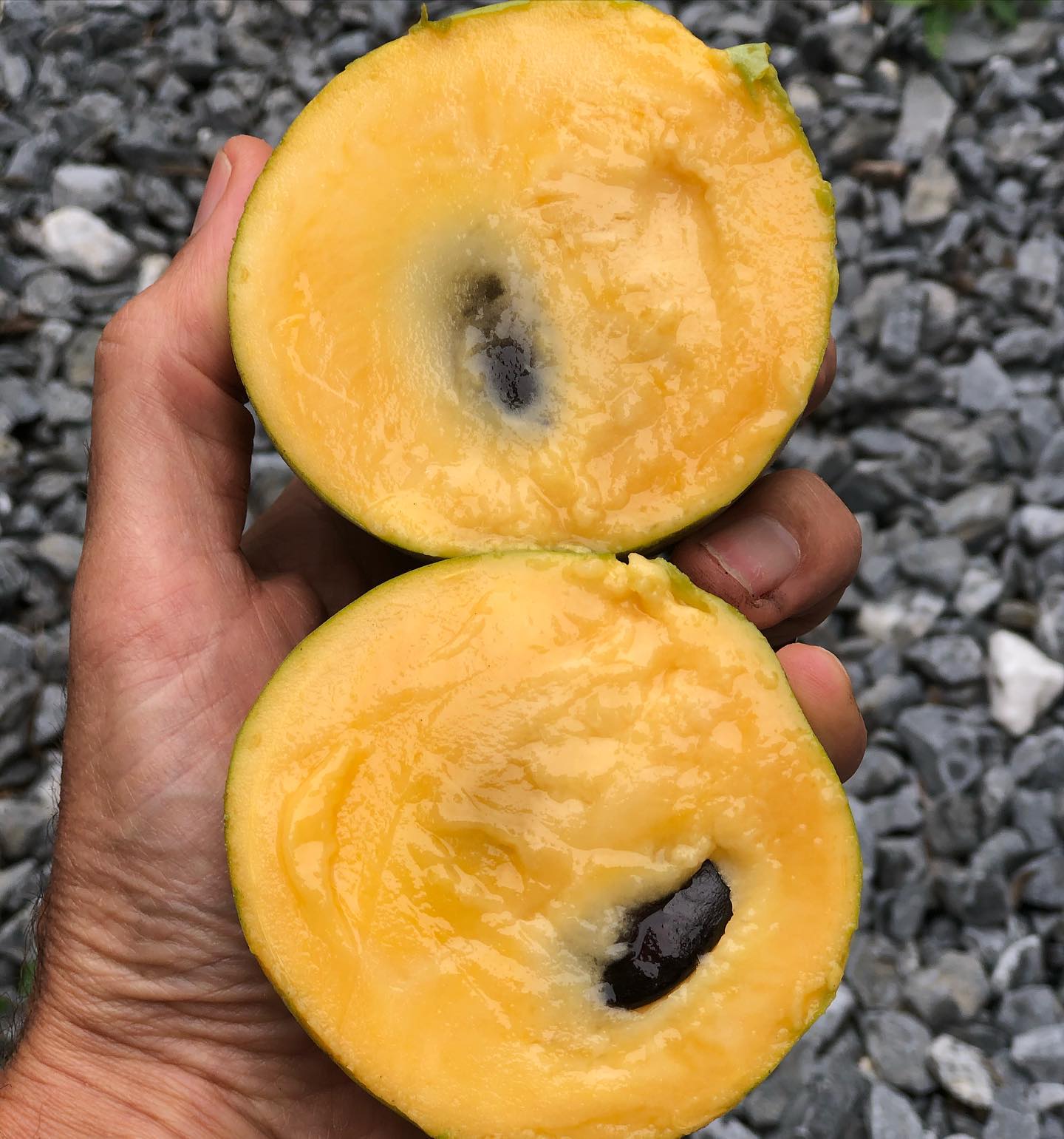
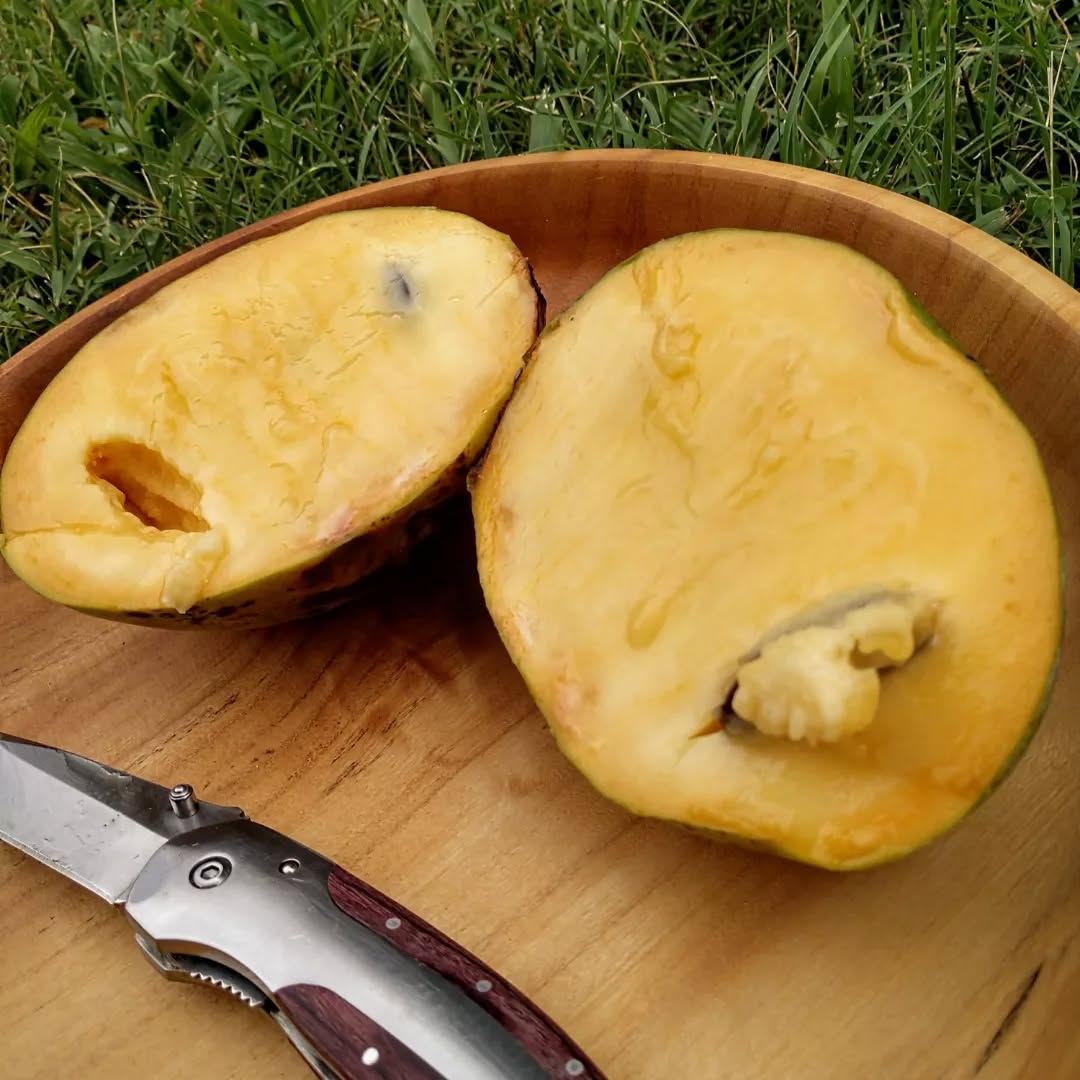
- Fruit Attributes: Produces large fruits; average mass of ≈155g in KSU trials, frequently reaching 227–340g in mature orchards.
- Flavor: Celebrated for its unique caramel-vanilla-nutty profile; rich and highly aromatic.
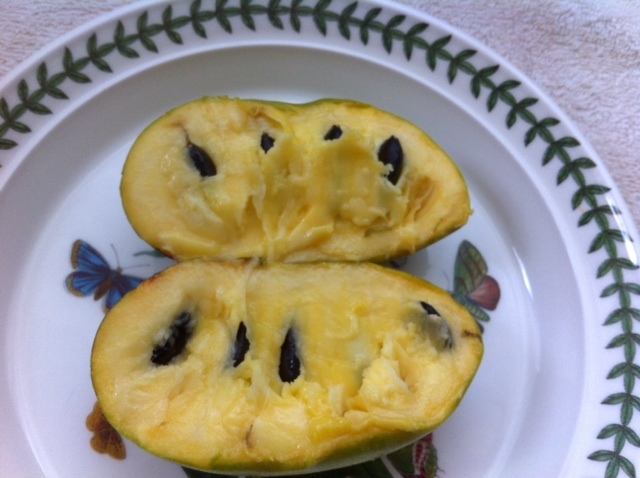
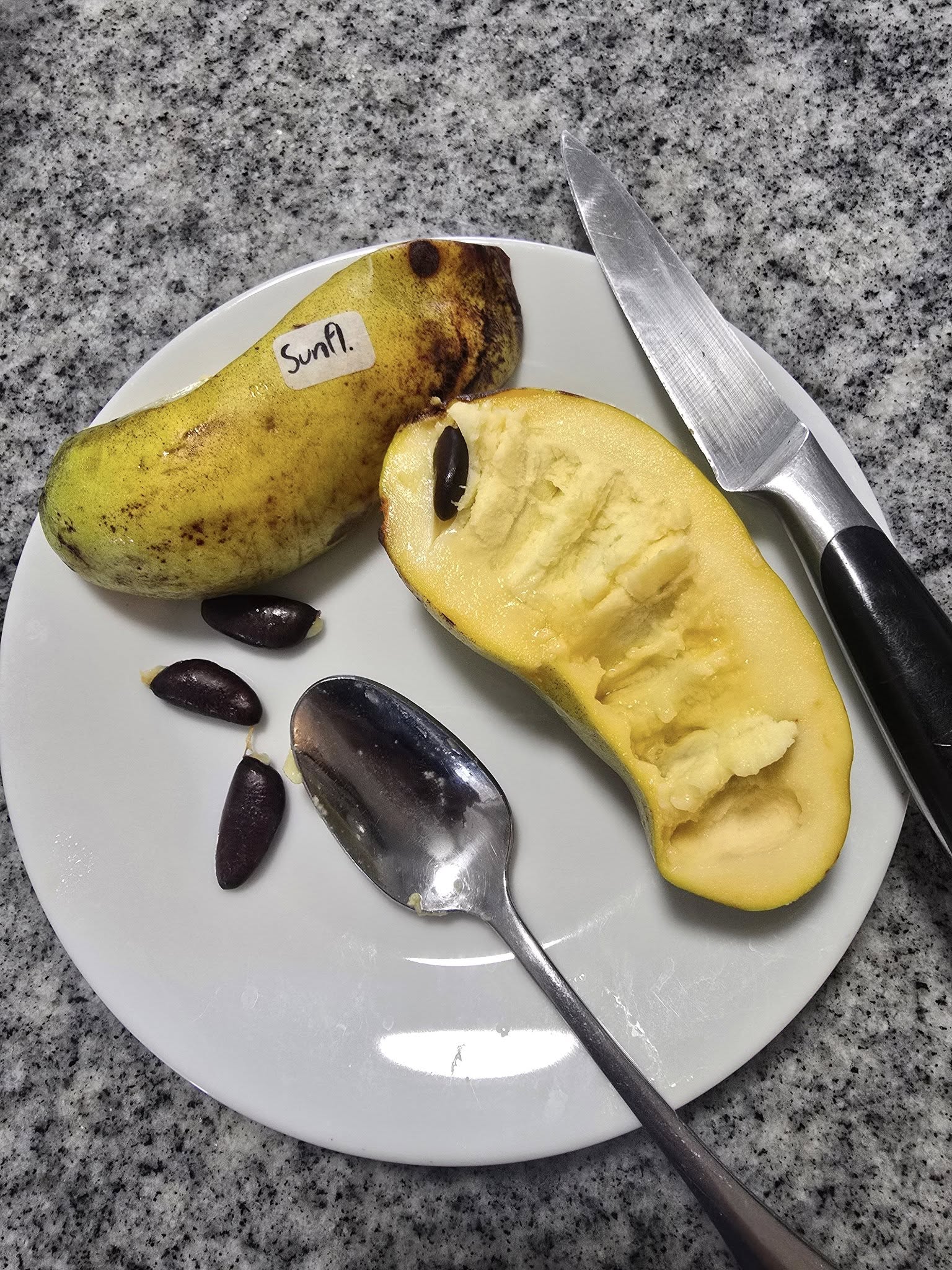
- Texture: Features a dense, "marshmallow-like" creamy consistency.
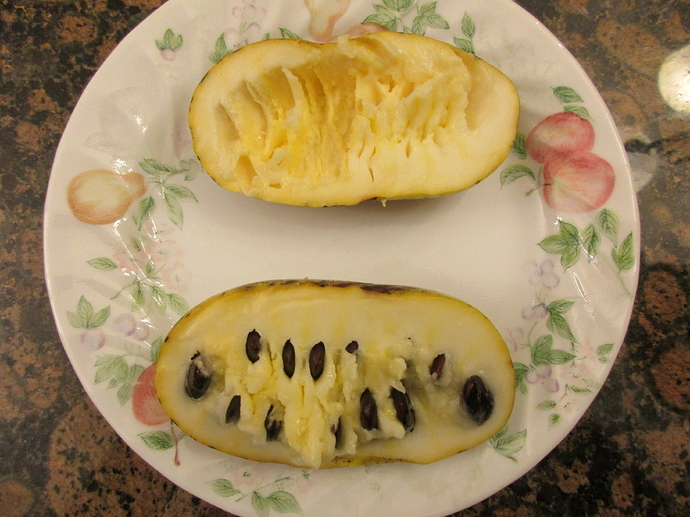
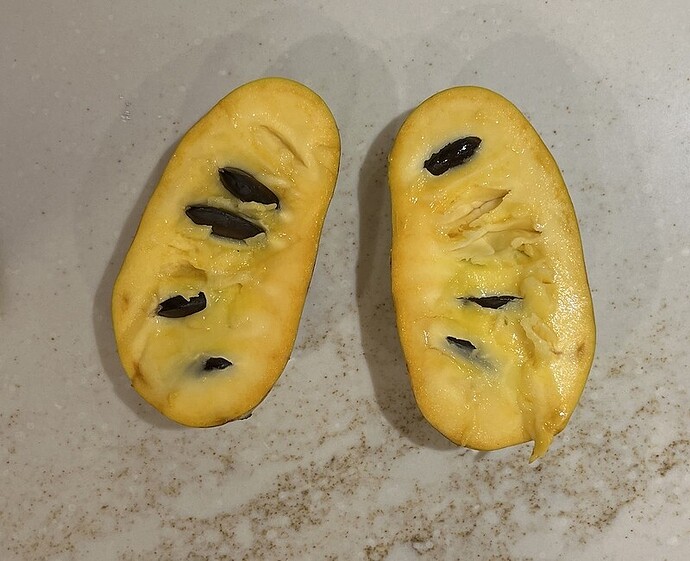
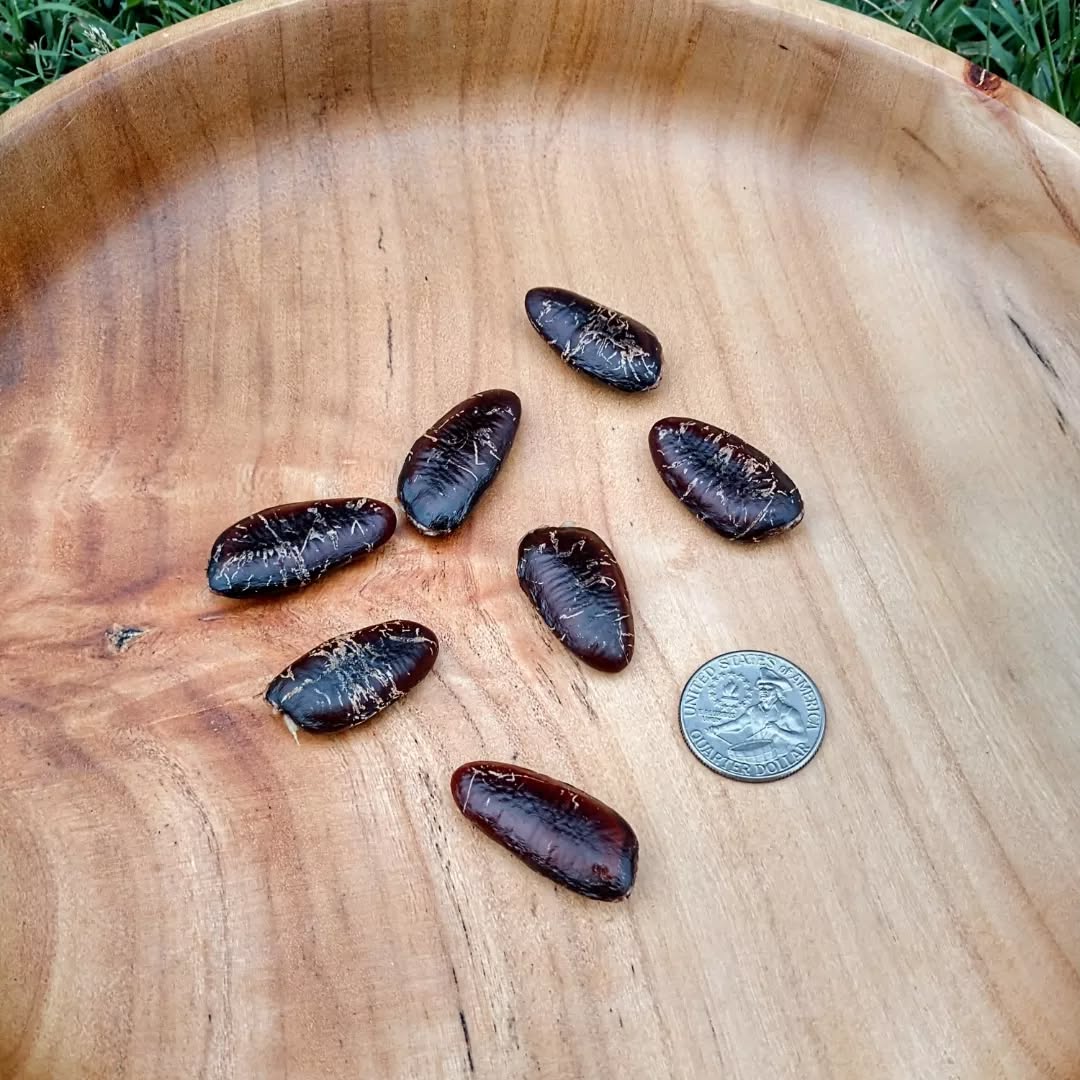
- Seed Ratio: Notable for its relatively low-to-moderate seed count.
- Seasonality: A late-season ripener, typically harvested in late September to early October.
- Fertility: Partially self-pollinating, though cross-pollination is strongly recommended for heavy yields.
- Hardiness: Fully resilient in USDA Zones 5–8; capable of handling deep Midwestern freezes.
- Availability: One of the most widely available and reliable commercial varieties globally.
Variety Description
Summary
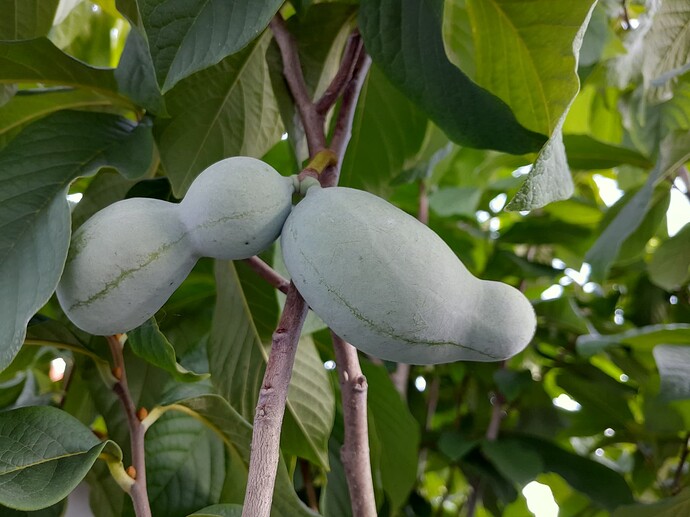
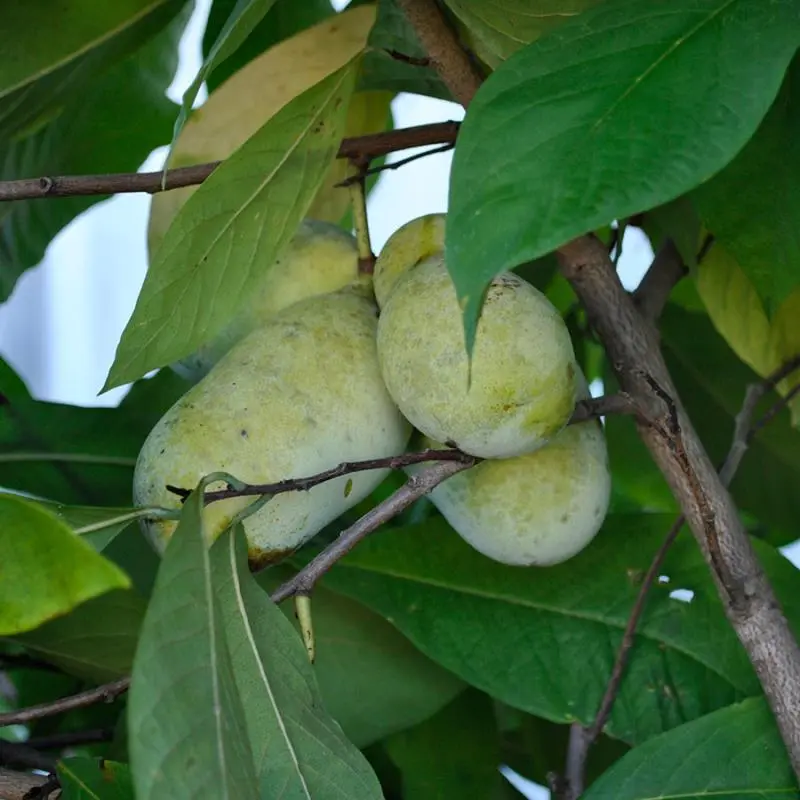
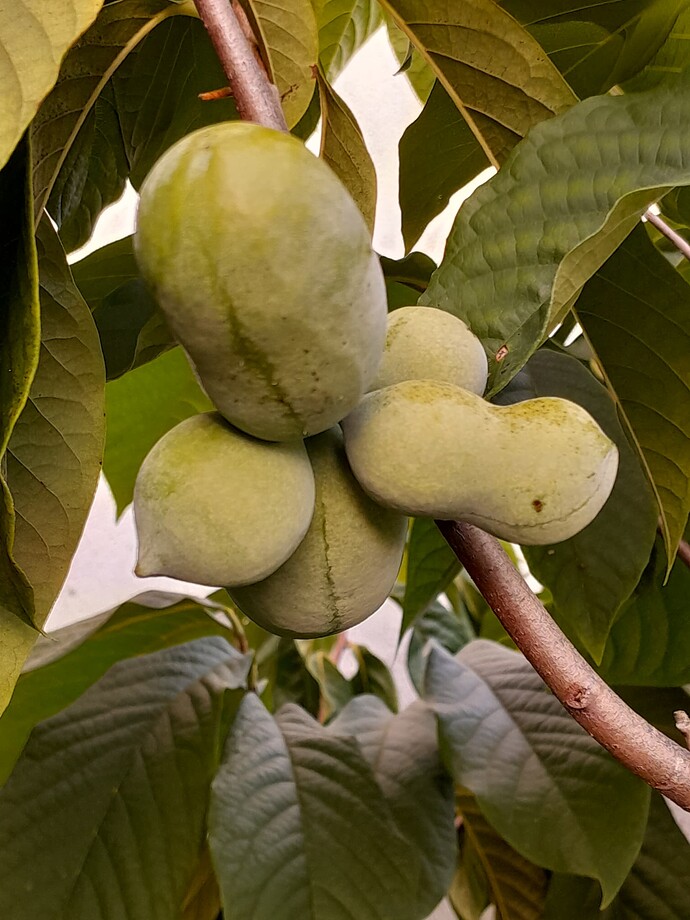
Sunflower is a cornerstone variety in the world of pawpaw cultivation, originally discovered as a wild selection by Milo Gibson in Chanute, Kansas, circa 1970. It is defined by its substantial fruit size (averaging 155–340g), a distinct caramel-vanilla-nutty flavor, and a luxurious, thick custody texture. As a late-season selection (September–October), it has become the "standard" by which many other varieties are measured. While partially self-fertile, it reaches its full productivity potential when paired with other elite cultivars. Its reliability and gourmet fruit quality have made it a staple in both residential gardens and commercial orchards across North America and Europe.
Foundations and Pedigree
Since its discovery, Sunflower has been a primary reference variety for academic programs like Kentucky State University (KSU). It remains one of the most studied and recommended selections for its consistent harvest and robust tree health. It is particularly noted for its ability to produce fruit in regions with fewer chilling hours than other wild selections.
Fruit Specifications: The Prolific Standard
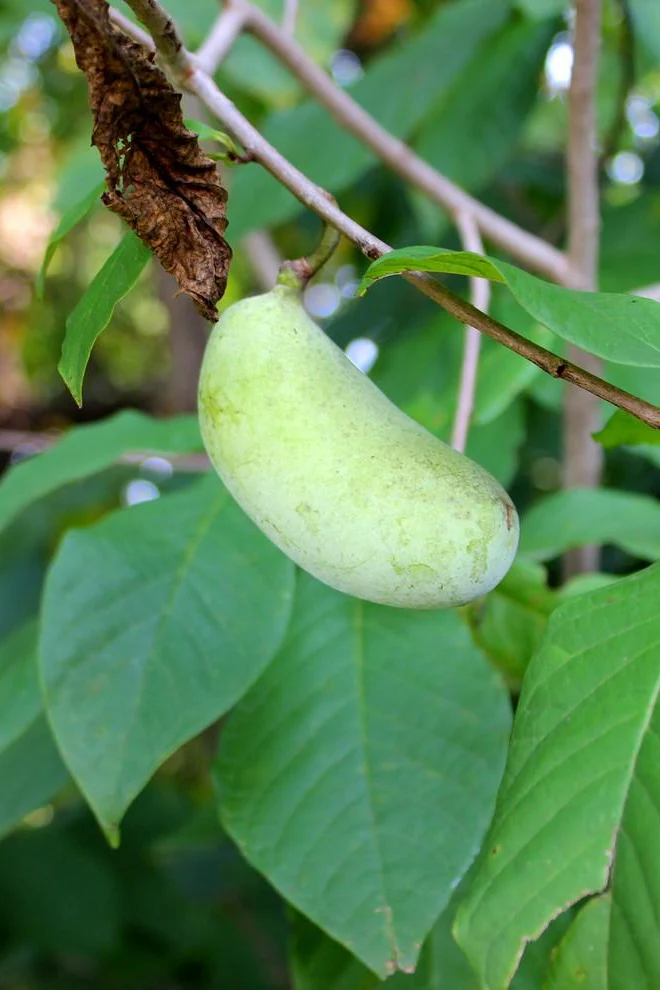
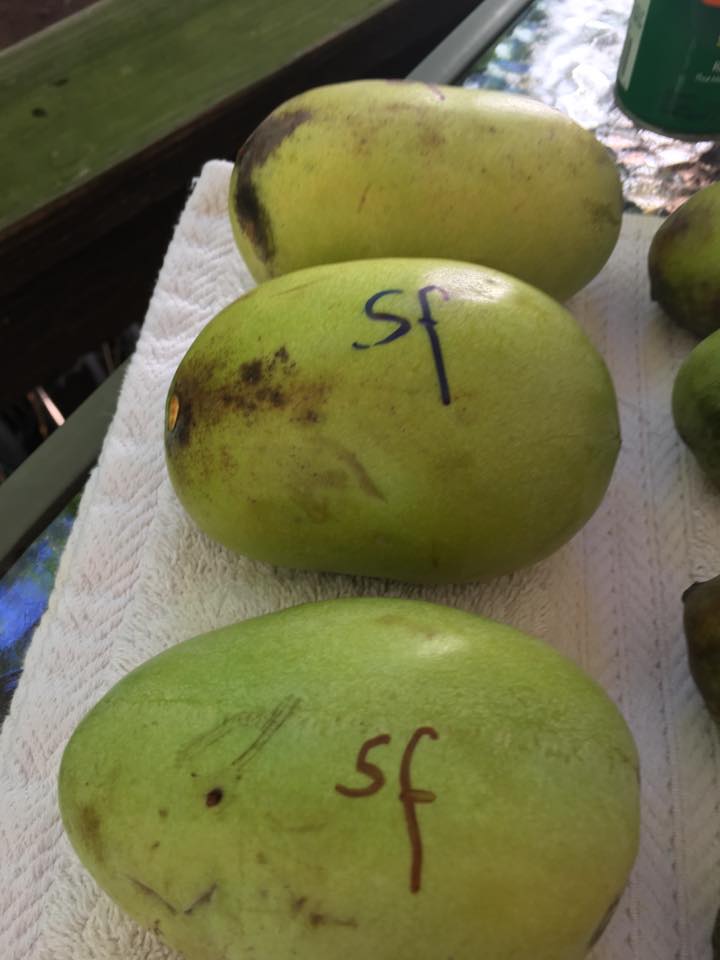
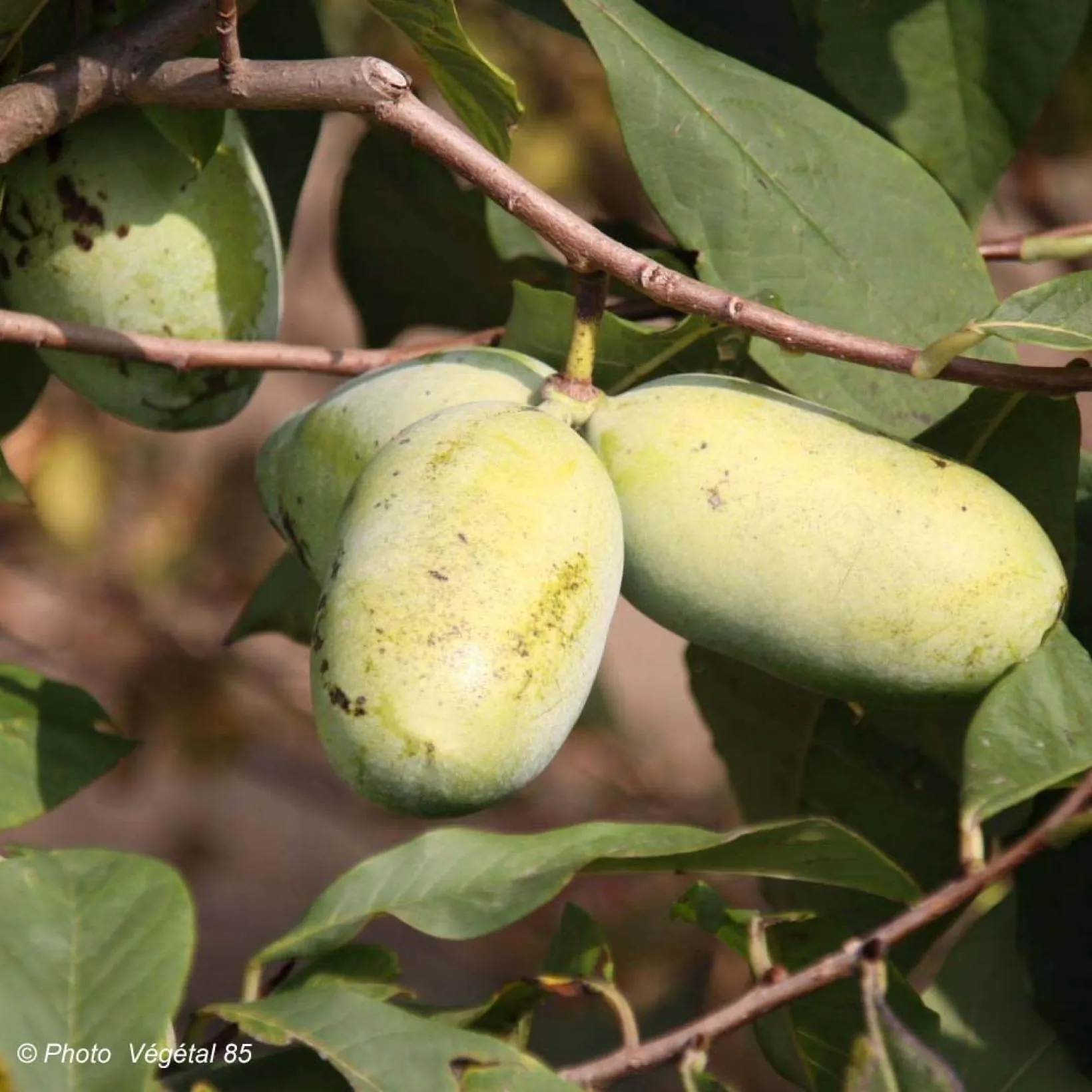
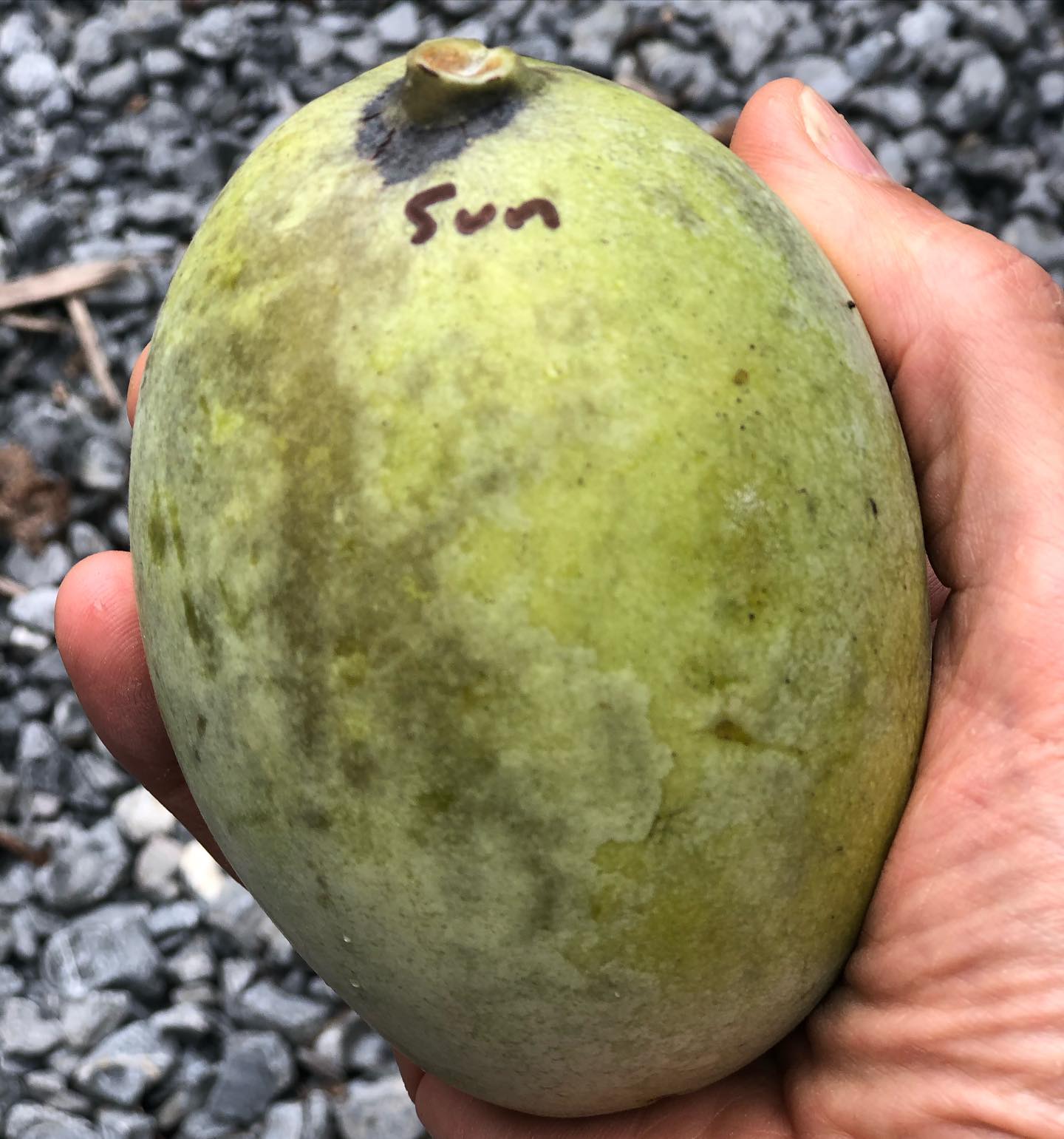
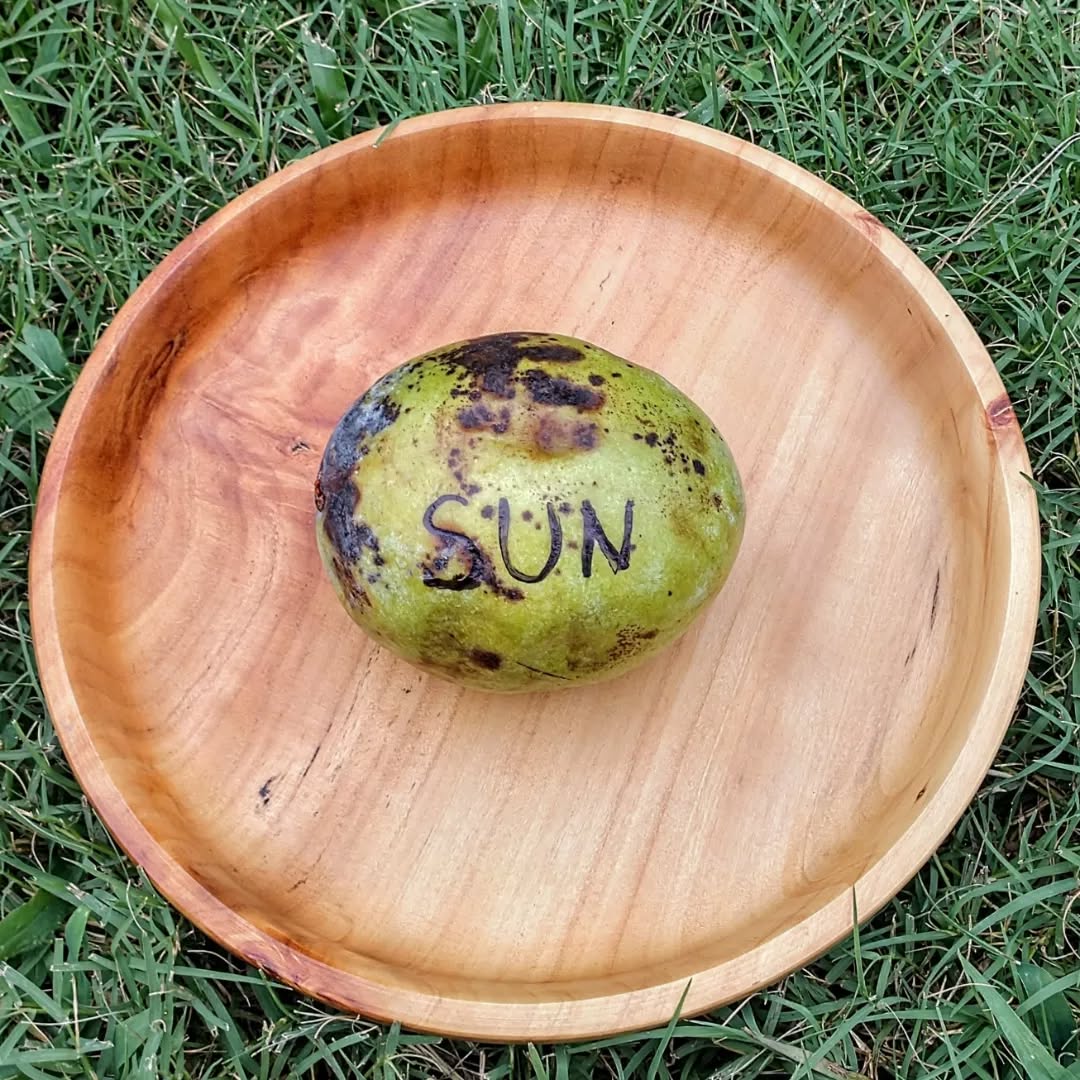
Physical Attributes: Sunflower consistently yields large fruits. In standardized KSU trials, it maintained a solid 155g average, while enthusiast growers frequently report specimens exceeding 450g (1 lb) in optimal soil conditions. Palette: The flavor is complex—richly sweet with deep custard notes and a hint of vanilla or caramel. Some palates may detect a slight "nutty" bitterness in the skin or aftertaste, which is characteristic of this lineage. Nutrition: It has a measured Asimicin level of 0.282%, placing it on the lower end of the toxicity spectrum for contemporary hybrids. Sugar Stability: With Brix levels averaging between 20.6 and 22.3, it is among the sweeter standard varieties available.
Orchard Integrity
Efficiency: In Kentucky trials, Sunflower has averaged approximately 25 lbs (11.3 kg) of fruit per tree. Growth Habit: The tree is vigorous and sturdily built, reaching a manageable height of 3.2 to 4.4 meters. It is particularly valued for its adaptation to a wide range of soil types across the American heartland.
Management and Logistics
Maturity Timing: Growers in northern climates should be mindful of its late harvest window; ensure the tree is in full sun to maximize heat accumulation. Ripening Signal: Like many high-starch varieties, borrent levels in the soil play a critical role in its ability to convert starch to sugar properly during the final ripening stage.
Environmental Adaptation
Proven hardy in USDA Zones 5–8, withstanding temperatures as low as -32°C. Its Kansas genetics make it highly resistant to both summer drought and winter deep-freezes.
Conclusion
Sunflower remains the "global gold standard" for a reason. It offers the most reliable combination of size, productivity, and complex flavor of any historic selection. For the first-time grower, it is the safest and most rewarding choice, providing a true gourmet pawpaw experience with the resilience of a wild-born champion. It is an essential foundation for any serious pawpaw collection.
Breed Performance Summary
| Indicator | Cultivar Metric |
|---|---|
| Heritage Line | Wild Kansas Selection (Milo Gibson, approx. 1970) |
| Average Fruit Mass | Large (≈155 g KSU avg; frequently 227–340 g) |
| Yield Est. | High (≈75 fruits / ≈11.3 kg per tree) |
| Flavor Class | Caramel-Vanilla-Nutty / Richly Aromatic |
| Flesh consistency | Dense "Marshmallow" Custard |
| Fertility Class | Partially Self-Fertile |
| Maturity window | Late Season (September–October) |
| Hardiness Grade | USDA Zones 5–8 (-29 to -32 °C) |