Key Points
- Name: Ithaca (sometimes spelled Ithaka).
- Origin: Italian selection by Domenico Montanari (Faenza, Italy).
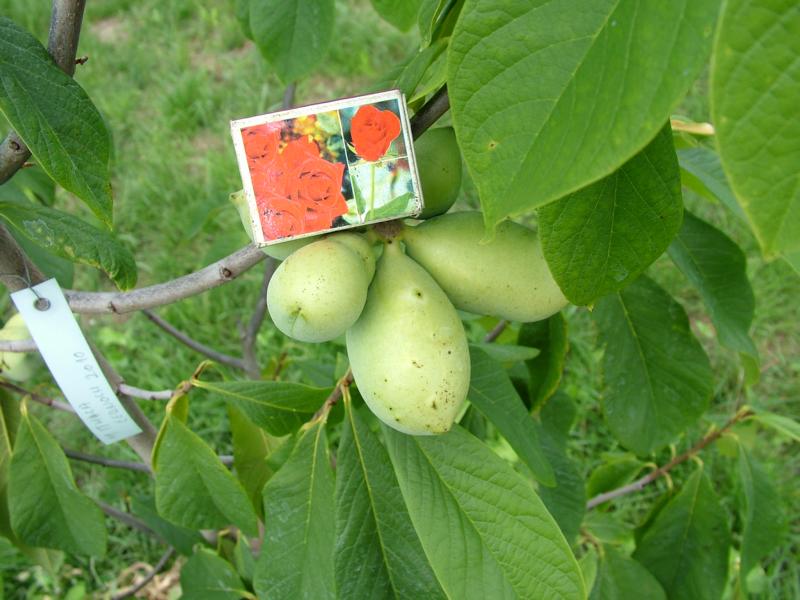
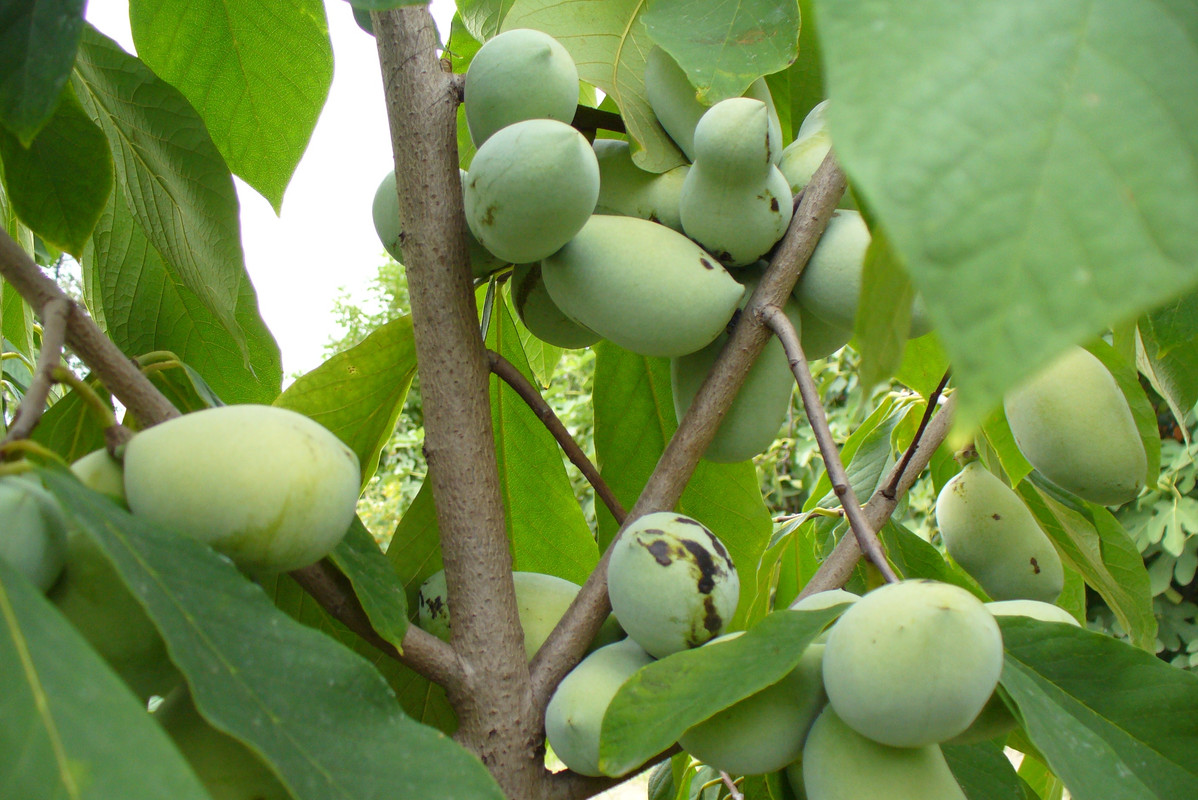
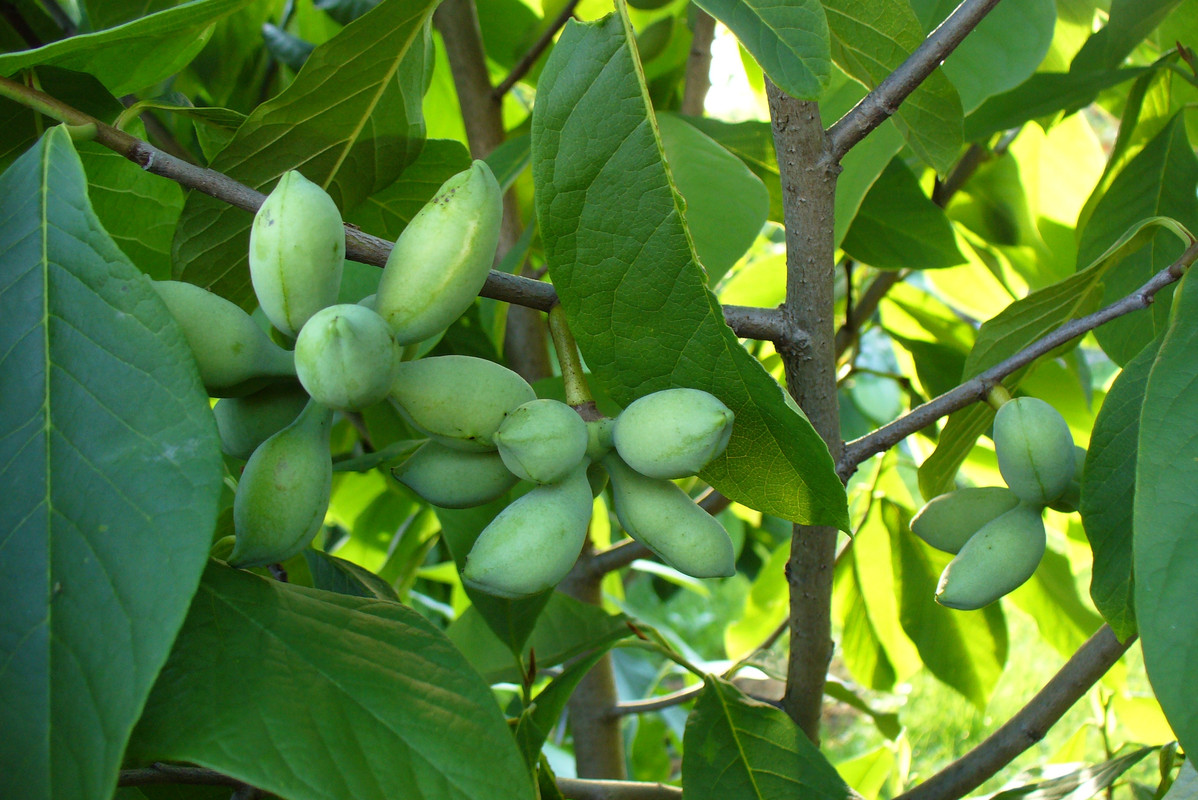
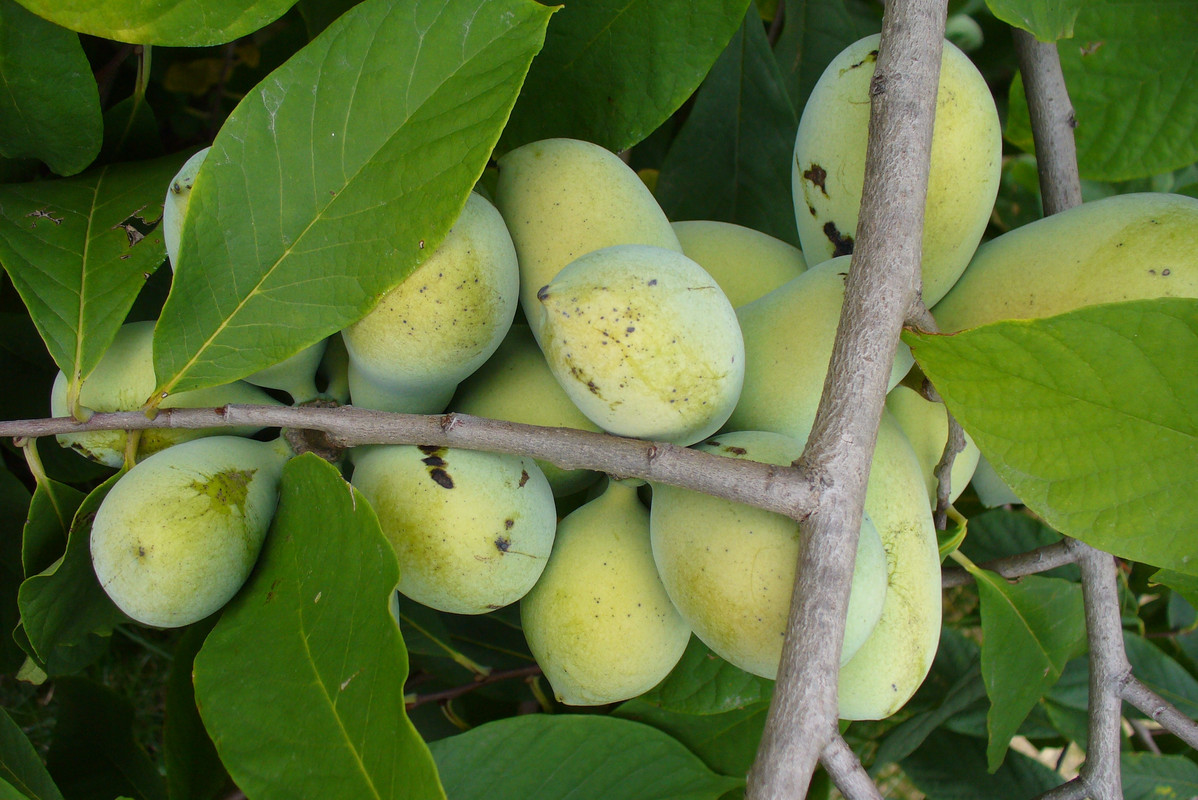
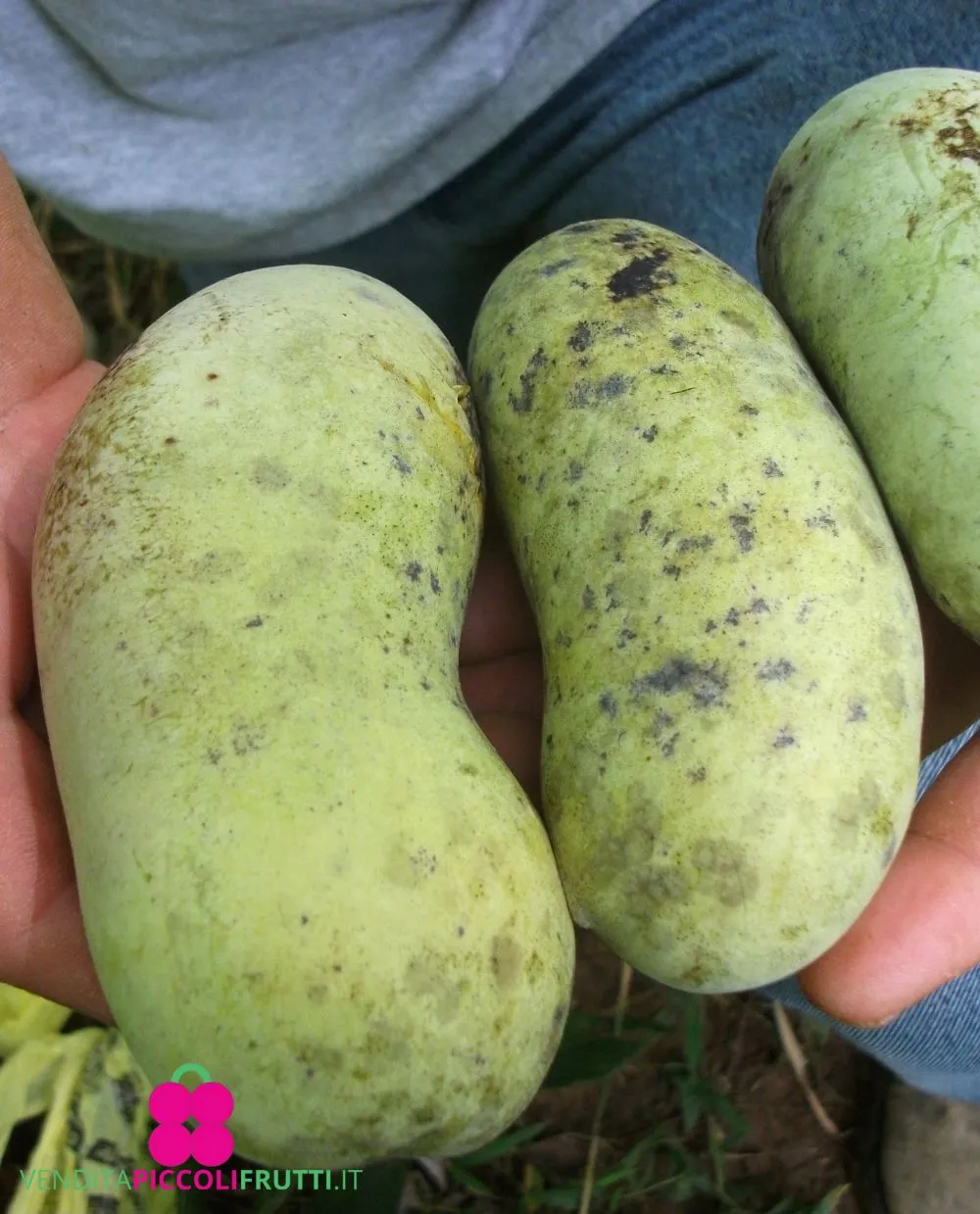
- Fruit: Medium-sized (~123–300 g per fruit).
- Pulp: Tasty, pleasant, and of good quality.
- Yield: Good.
- Ripening: Mid-season (September).
- Hardiness: −20 to −25 °C (USDA 5–8).
- Pollination: Requires cross-pollination.
- Availability: Limited, primarily found in European nurseries, rare in the US.
Variety Description
Summary
Ithaca (sometimes spelled Ithaka) is an Italian pawpaw selection resulting from the work of Domenico Montanari in Faenza, Italy. It is characterized by medium-sized fruits (approx. 200–300 g), delicious pulp, and good yields. Its availability is mostly restricted to European specialty nurseries and is rarely found in the North American trade.
Origin and History
The variety was developed as part of experimental fruit selection in Italy. During the 1980s and 1990s, Domenico Montanari assembled a vast collection of pawpaw selections, from which local clones like Ithaca/Ithaka and Prima 1216 originated.
Name and Spelling Variations
In practice, both Ithaca and Ithaka spellings are used. When sourcing or searching, consider both forms, as European catalogs frequently use "Ithaka."
Fruit Overview
Size and Weight: European catalogs typically list it as medium-sized (200–300 g). However, data from the Pawpaw Research Program at the University of Florence (2003) showed that an Ithaca tree reaching 4.40 m in Italian conditions yielded 10 kg of fruit with an average weight of 123.9 g and 24.2 Brix in 2000. In 2001, a 4.55 m tree yielded 11.35 kg with an average weight of 134.4 g and 19.8 Brix. Taste and Texture: The pulp is high-quality, delicious, and pleasant, showing morphological traits that suggest it may be better adapted to drier conditions than Prima 1216. If your site has limited moisture, sharp drainage, or periodic summer droughts, Ithaca might show better resistance to leaf wilting and lower fruit drop compared to Prima 1216. This makes it an excellent candidate for southern or drier European sites. Note: while its traits help with transpiration, they do not replace the need for adequate irrigation.
Ripening Times
Ripening occurs mid-September (mid-season). In warmer regions, this may be in early September; in cooler areas, it can extend into late September or early October.
Yield
Productivity is rated as good in European descriptions, showing consistent fruiting in established collections.
Cold Hardiness
Withstands −20 to −25 °C, fitting USDA 5–8 (potentially 5–9 depending on specific conditions).
Pollination
Requires cross-pollination as Ithaca is not self-fertile. Observations in Italy noted that Overleese, Ithaca, Mango, and Sunflower shared the earliest flowering windows in 2000 and 2001.
Availability
Mostly found in France and Germany. It is rare in the US, occasionally appearing in private collections or grower exchanges.
Practical Advice
Ithaca is a solid choice for the warmer climates of Southern Ukraine and serves as a vigorous rootstock candidate.
Brief Conclusion
Ithaca/Ithaka is a Domenico Montanari selection from Italy featuring medium-sized (123–300 g), tasty fruits and reliable productivity, primarily available through European nurseries.
Quick Summary Table
| Parameter | Value/Comment |
|---|---|
| Origin | Italian selection by Domenico Montanari (Faenza, Italy) |
| Name | Ithaca (sometimes Ithaka) |
| Fruit Size | Medium (~123–300 g per fruit) |
| Pulp | Tasty, pleasant, high quality |
| Yield | Good |
| Ripening | Mid-late/late |
| Hardiness | −20 to −25 °C (USDA 5–8) |
| Pollination | Cross-pollination required |