Key Points
- Provenance: Selected from the Tollgate Gardens/Michigan State University (MI-TG) trials.
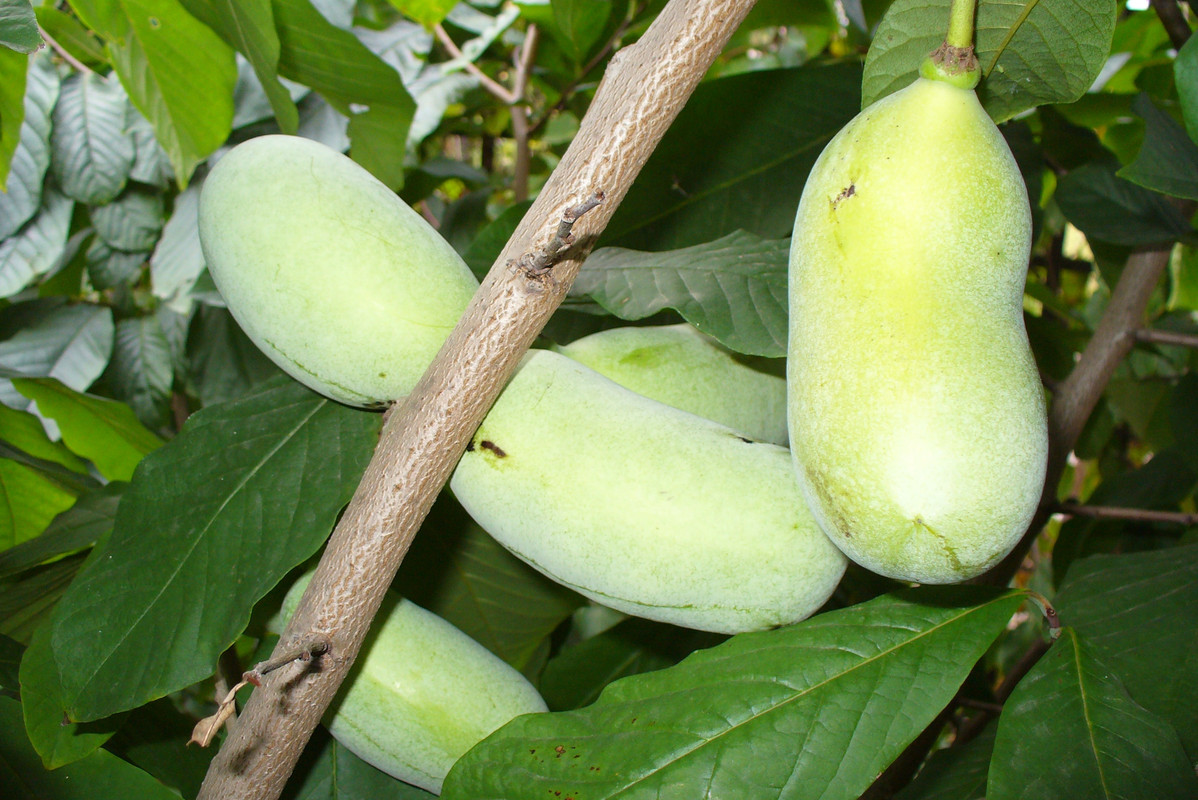
- Fruit Characteristics: Produces notably large fruits (averaging approx. 400g according to commercial records) with pale yellow to golden flesh.
- Flavor Profile: Celebrated for its good-to-excellent flavor and exceptionally smooth, creamy texture.
- Visual Indicators: Exhibits a distinct "color break" to yellow as the fruit reaches peak maturity on the tree.
- Seasonality: A late-season variety (September–October), requiring a longer warm season to reach full potential.
- Hardiness: Fully resilient in USDA Zones 5–8, suitable for most temperate pawpaw regions.
- Lineage: Potentially related to the Sun-Glo/Sunglo variety, though this connection remains unconfirmed.
Variety Description
Summary
Sibley is a distinguished heritage selection originating from the Tollgate Gardens and Michigan State University (MI-TG) breeding trials. It is characterized by its large, impressive fruits (reaching approx. 400g in optimal conditions), velvety golden pulp, and a flavor profile that is both refined and sweet. A key feature for growers is its "color break," as the skin transitions to a clear yellow when ripe. Because it is a late-season ripener (September into October), it is best suited for regions with a reliable autumn heat window. Sibley is currently available as grafted specimens through specialist nurseries in both Europe and North America.
Foundations and Pedigree
Rooted in the research material of Tollgate Gardens/Michigan State, Sibley likely stems from the extensive work of nurseryman Corwin Davis. While its exact release date is not widely documented, it has maintained a steady presence in enthusiast circles. Some experts suggest a genetic link to the Sun-Glo variety, which shares its characteristic skin-color shift during ripening.
Fruit Specifications: Substantial and Creamy
Market Profile: Sibley is valued for its above-average fruit size, with commercial nurseries like Kwekerij De Zoete Wei highlighting weights in the 400g range. Texture: The flesh is celebrated for being dense yet buttery, with a luxurious "custard" feel. Palette: It delivers a clean, high-sugar profile that is typical of the best Michigan heritage selections. Ripening Signal: Unlike many pawpaws that stay green until they drop, Sibley provides a visual cue by turning noticeably yellow on the branch.
Orchard Productivity
Efficiency: While formal trial data is limited, Sibley is regarded in commercial catalogs as a reliable and productive tree once established. Growth Habit: It follows the standard pawpaw growth pattern, forming a manageable, medium-sized tree that integrates well into home orchards.
Management and Logistics
Maturity Timing: Its late-season ripening (late September to October) means northern growers in short-summer areas should monitor local frost dates. Pollination Strategy: For the best fruit set, it should be interplanted with other mid-to-late blooming varieties to ensure effective cross-pollination.
Environmental Adaptation
Proven hardy in USDA Zones 5–8. Its Michigan origins ensure it is well-equipped to handle northern winters and fluctuating spring temperatures.
Conclusion
Sibley is a "grower's favorite" for those who appreciate the visual beauty of ripening fruit and the sophisticated taste of heritage genetics. It offers high meat-to-fruit ratios, excellent texture, and the reliability of a selection born from academic-grade trials. It is an essential addition for temperate orchards looking to extend their harvest window with a high-caliber fruit.
Breed Performance Summary
| Indicator | Cultivar Metric |
|---|---|
| Heritage Line | Tollgate Gardens / Michigan State (MI-TG) |
| Average Fruit Mass | Large (≈400 g based on commercial data) |
| Yield Est. | Reliably Productive |
| Flavor Class | Good-to-Excellent / Sweet |
| Flesh consistency | Velvety Custard / Light-Yellow to Gold |
| Ripening Signal | Distinct Skin Color Break (Turns Yellow) |
| Maturity window | Late Season (September–October) |
| Hardiness Grade | USDA Zones 5–8 |