Key Points
- Provenance: A historical cultivar selected by W. B. Ward in 1950 from the Overleese family estate in Rushville, Indiana.
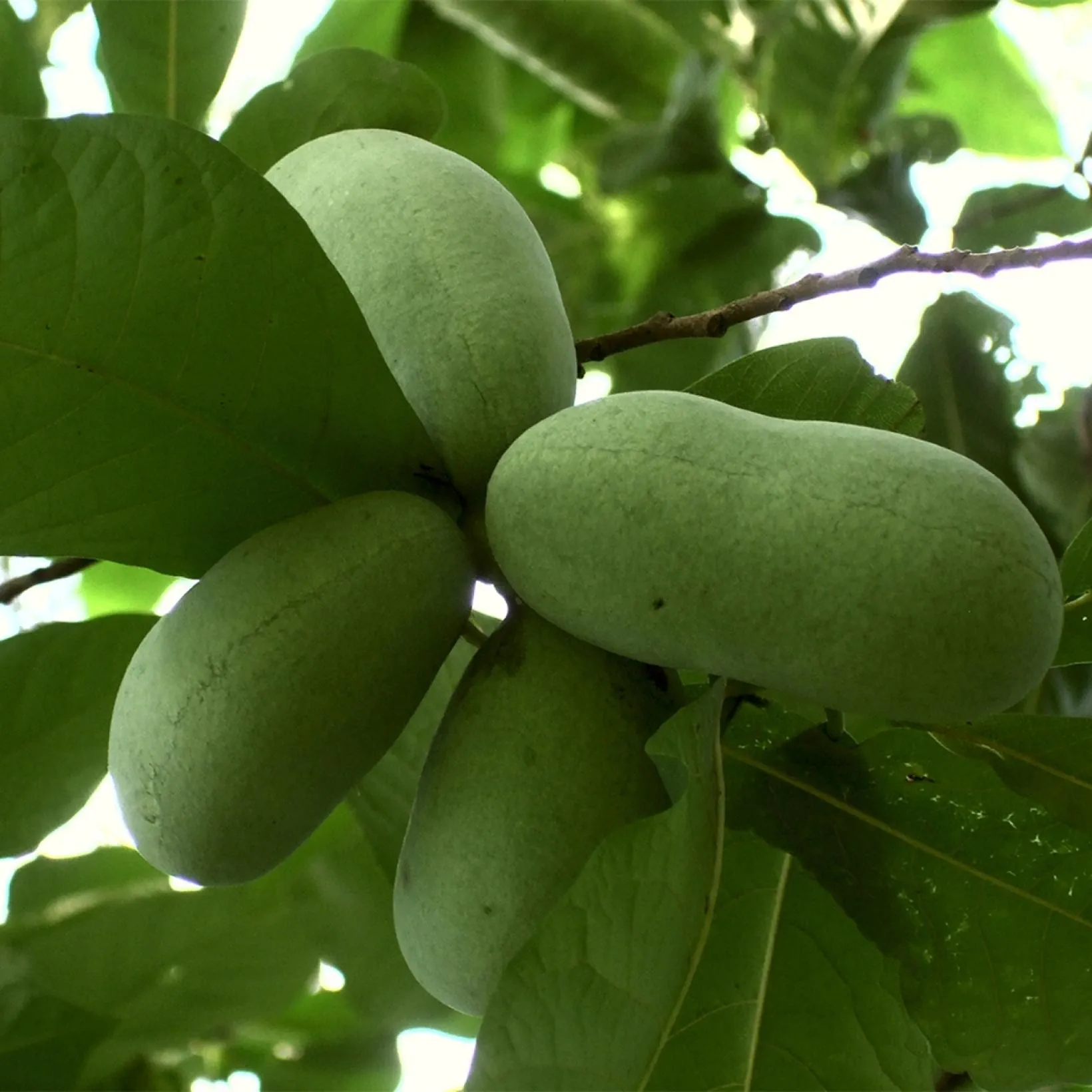
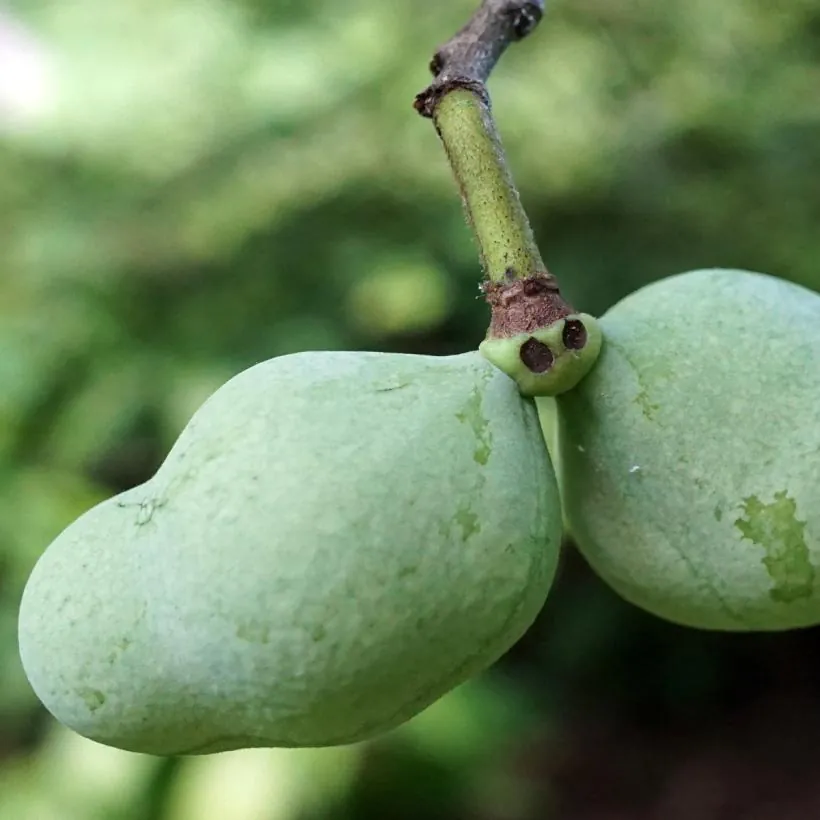
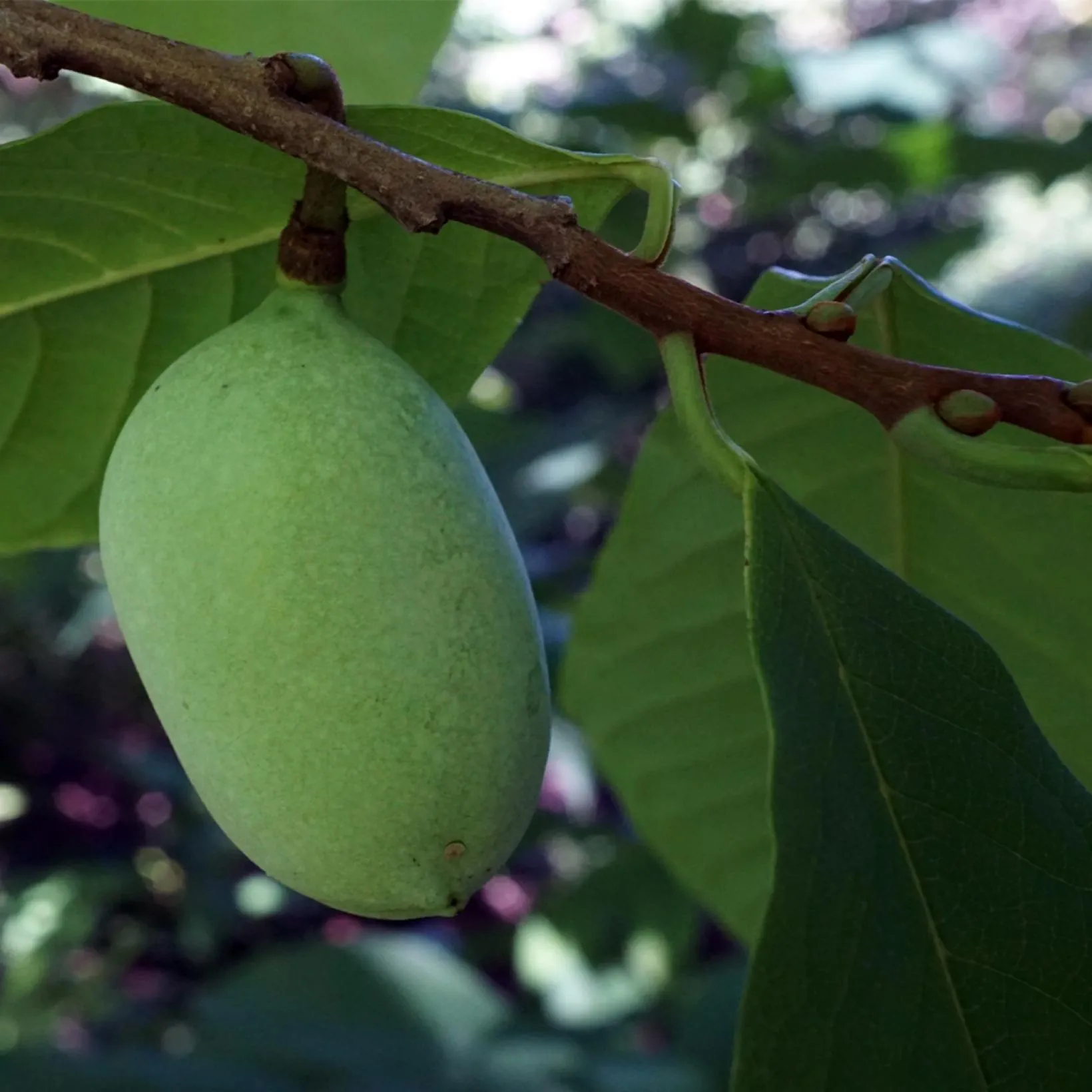
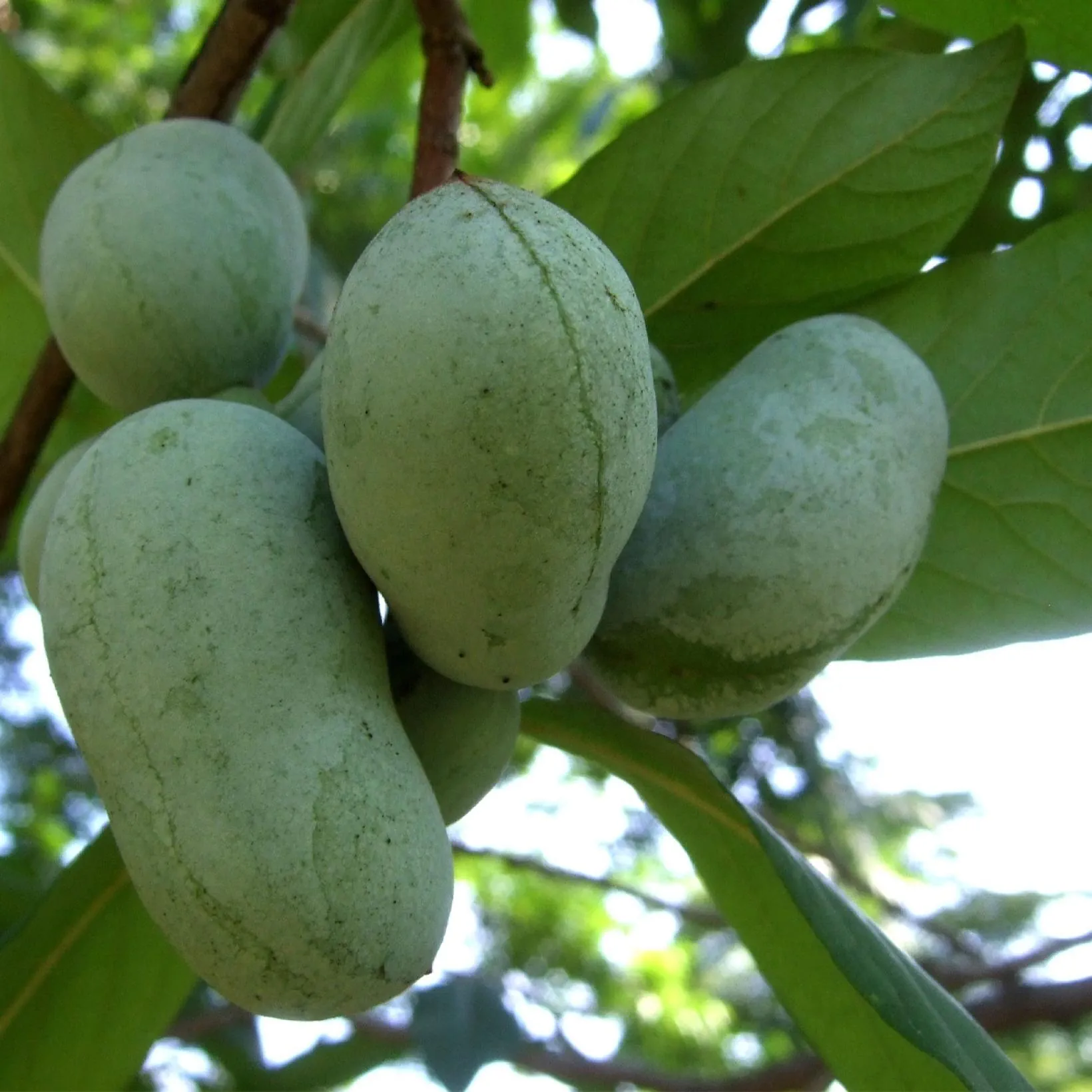
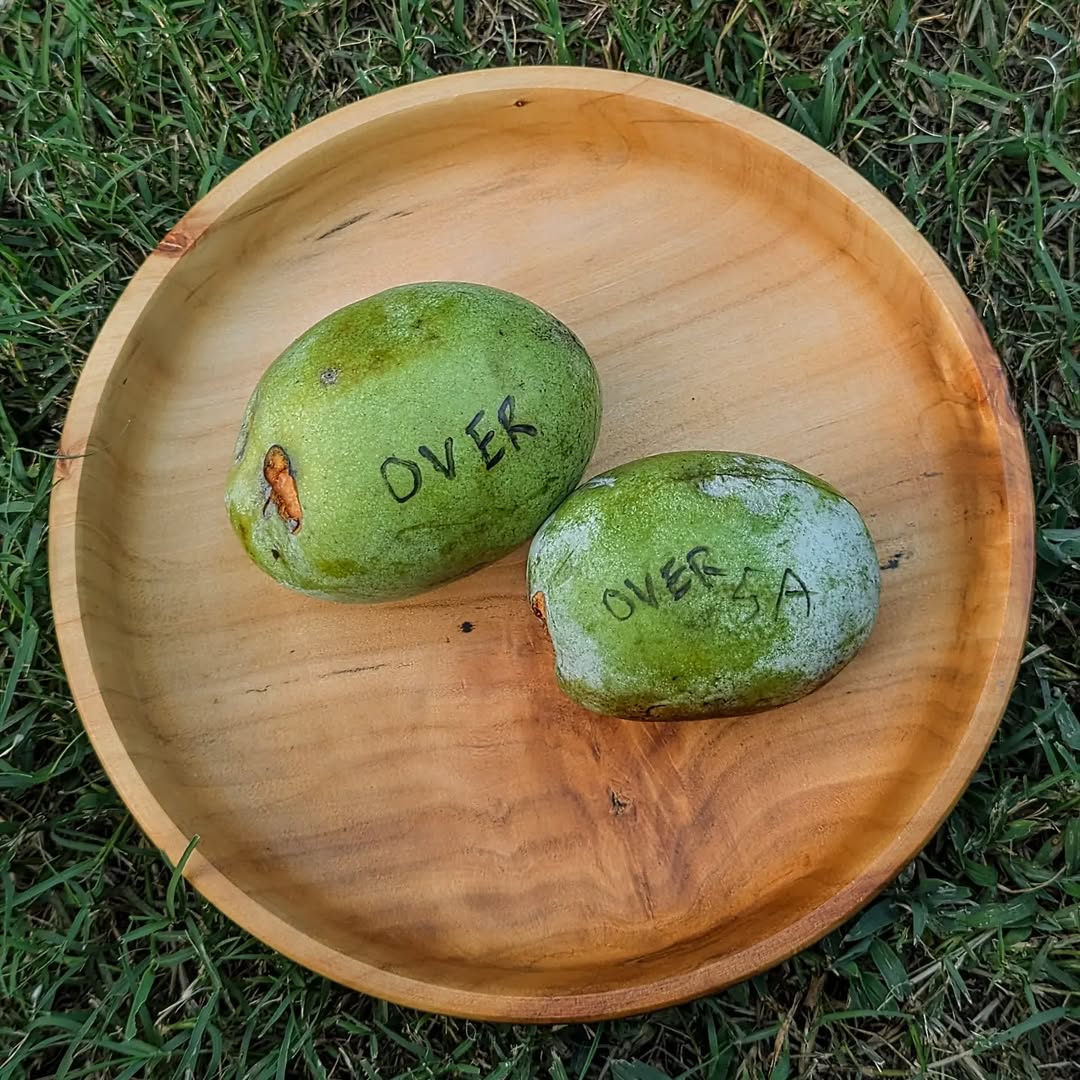
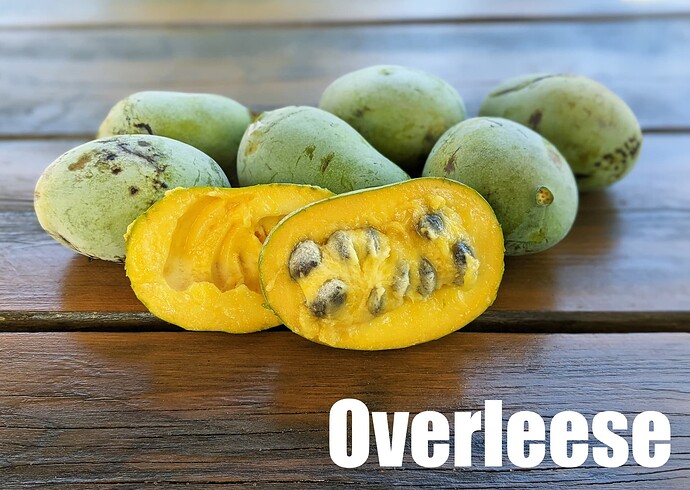
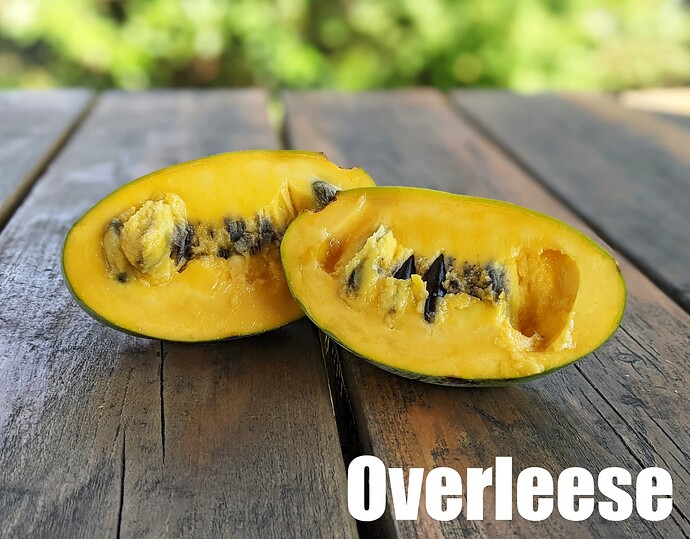
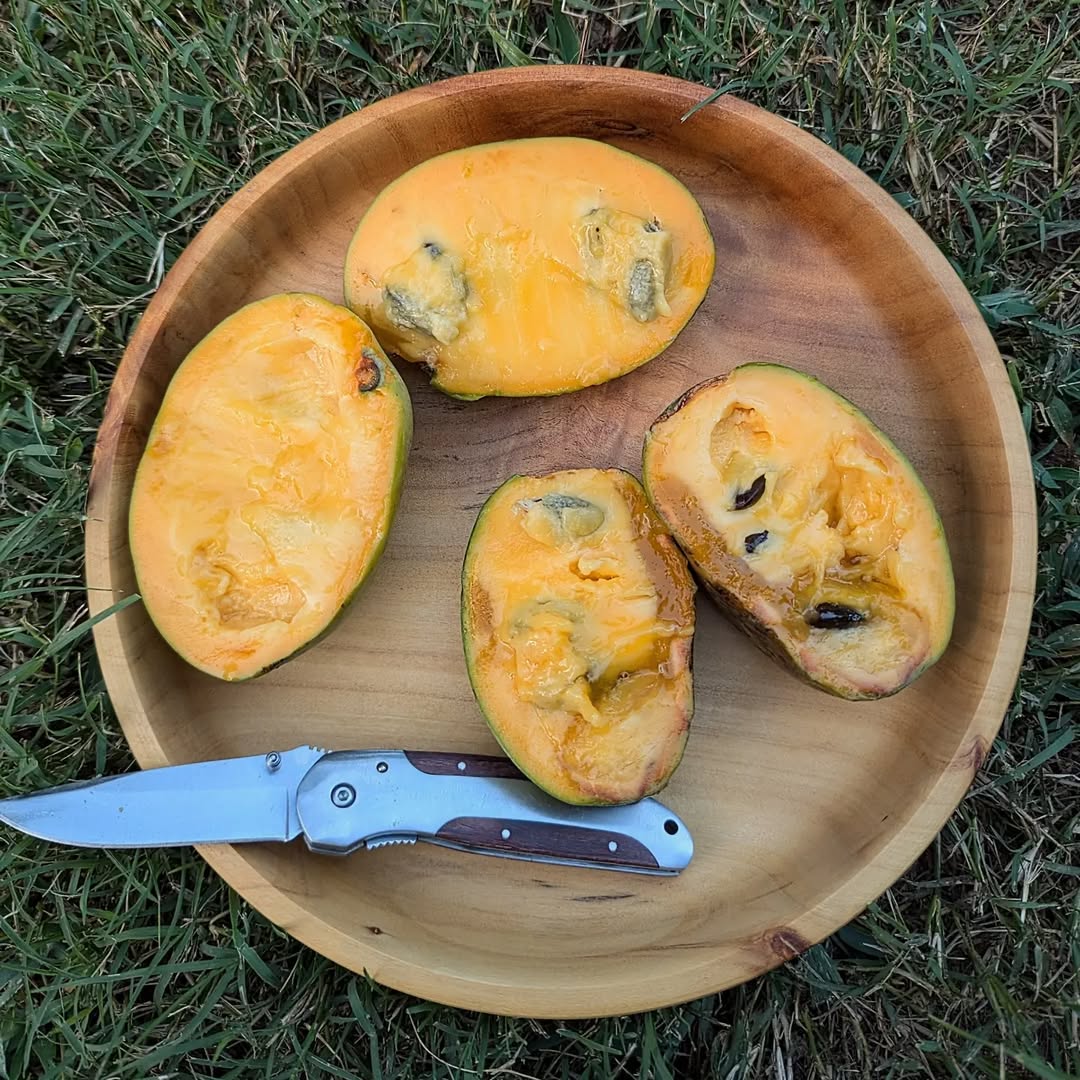
- Fruit Architecture: Produces large, symmetrical fruits with vibrant yellow-orange custard pulp and a high pulp-to-seed ratio.
- Palette: Clean, bright tropical flavor dominated by banana and mango; widely considered the standard for "classic" pawpaw taste.
- Productivity: Highly productive and consistent, frequently reaching yields of 55+ fruits per mature tree.
- Seasonality: Mid-late season ripener (Late September to early October).
- Durability: Features a resilient skin and dense pulp, giving it better shelf life and transport stability than most heirlooms.
- Genetic Legacy: A foundational variety in modern breeding; a primary parent for elite hybrids like Shenandoah and SAA-Overleese.
Variety Description
Summary
Overleese is more than just a variety; it is a foundational pillar of the modern asimina industry. Discovered by W. B. Ward in mid-century Indiana, it has stood the test of time as a "benchmark" cultivar. It offers a combination of physical durability, consistent high yield, and a flavor profile that lacks the bitterness sometimes found in wild selections. It is the variety by which many others are measured.
Breeding and Historical Context
Selected in 1950 in Rushville, Indiana, Overleese has been a staple in agricultural trials for over 70 years. Its genetic stability is so high that it is frequently used by researchers at Kentucky State University (KSU) and private breeders as a control variety. Its descendants, including the famous Neal Peterson hybrid "Shenandoah," inherit its clean flavor and large fruit size.
Sensory and Physical Specifications
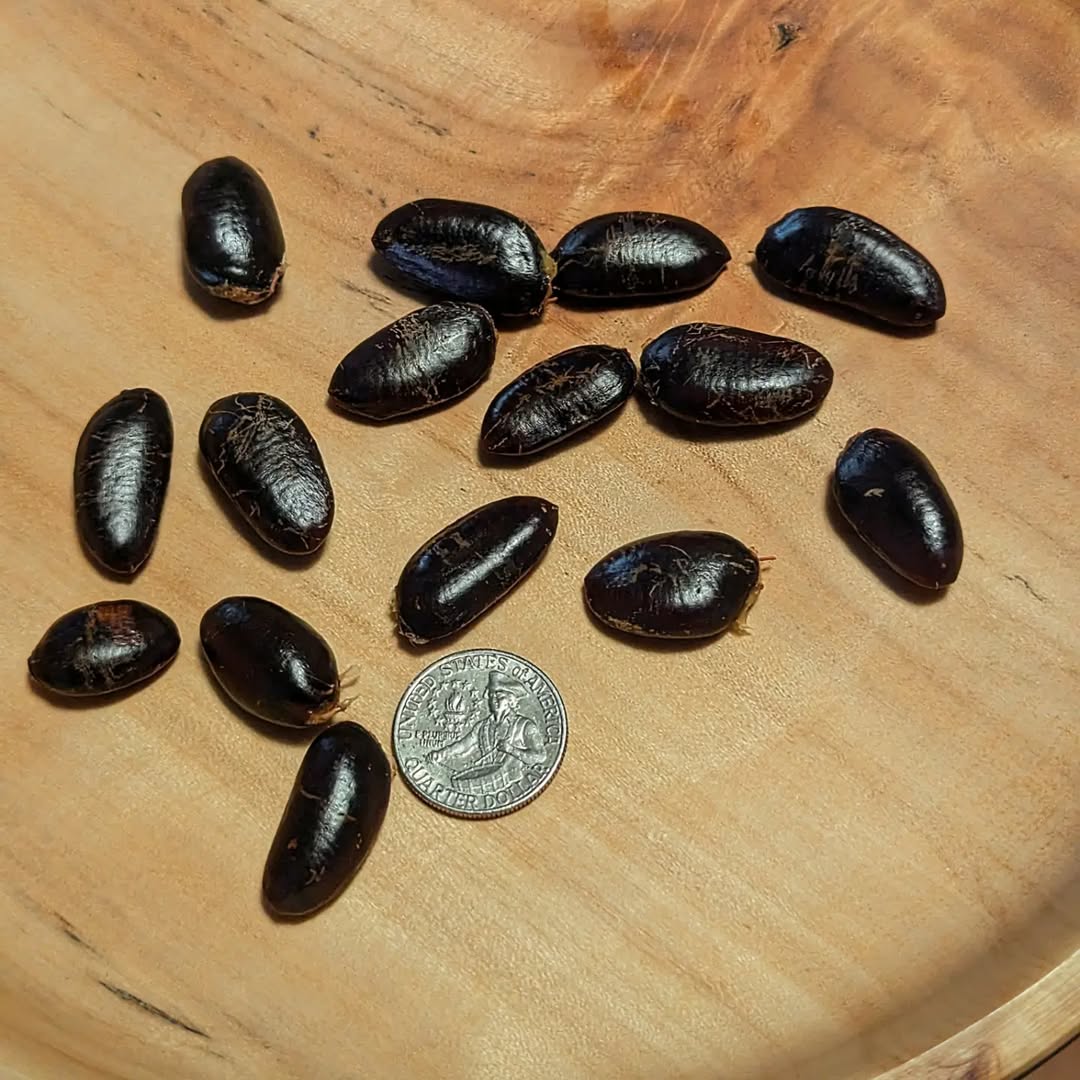
Pulp Metrics: The flesh is deep yellow-orange with a melting, custard-like texture. Sugar levels are stable, typically ranging between 19.7 and 20.7° Brix. Seed Density: Overleese is known for its efficiency—seeds account for a low percentage of total mass, making it a high-value variety for those processing the fruit for culinary use. Harvest: In temperate zones, it matures as the summer heat begins to fade in late September. Interestingly, in coastal Mediterranean climates like Italy, it is noted as one of the earliest to bloom and set fruit.
Orchard performance
Yield: Categorized as a "heavy bearer," a mature Overleese provides a predictable and massive crop annually. It is not prone to the biennial bearing (alternate-year crops) that plagues less refined selections. Canopy architecture: The tree is well-structured and manageable, typically staying under 14 feet, making it ideal for both backyard orchards and row-crop commercial setups.
Logistics and Transport
Unlike many pawpaws that bruise at the slightest touch, Overleese possesses a relatively thick skin and dense flesh. This physical "stiffness" at the point of ripeness allows it to be transported for local market sales with a lower loss rate than thinner-skinned varieties.
Resilience
Demonstrates excellent resistance to common leaf spot (Phyllosticta) and maintains a healthy, vibrant canopy throughout the growing season across USDA Zones 5–9.
Conclusion
Overleese remains a mandatory inclusion for any comprehensive pawpaw collection. It bridges the gap between the historical wild selections and modern hyper-hybrids, offering a reliable, high-quality harvest that is as relevant today as it was in 1950.
Breed Performance Summary
| Indicator | Cultivar Metric |
|---|---|
| Provenance | Rushville, IN (W. B. Ward, 1950) |
| Average Fruit Mass | Large (≈170 g - 220 g) |
| Yield Density | High (≈55 fruits/tree) |
| Flavor Profile | Classic Banana-Mango Medley |
| Sugar Content | 19.7 - 20.7° Brix |
| Seed-to-Pulp Ratio | Low (High Edible Efficiency) |
| Harvest Window | Mid-Late September / Early October |
| Hardiness Range | USDA Zone 5 Robust |