Key Points
- Origin: A selection from the North Willamette Experimental Station (Aurora, OR), derived from a Milo Gibson (Kansas) seedling.
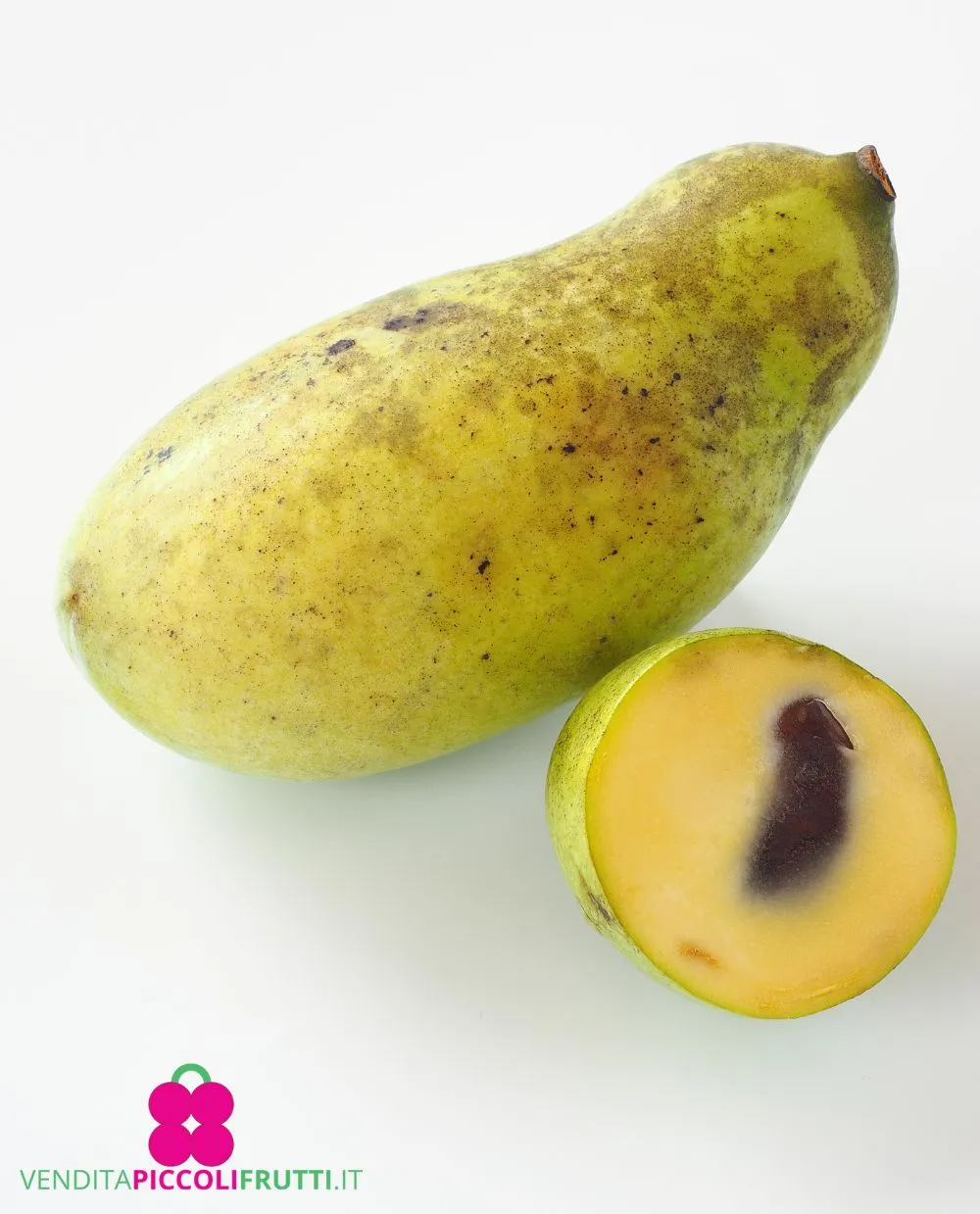
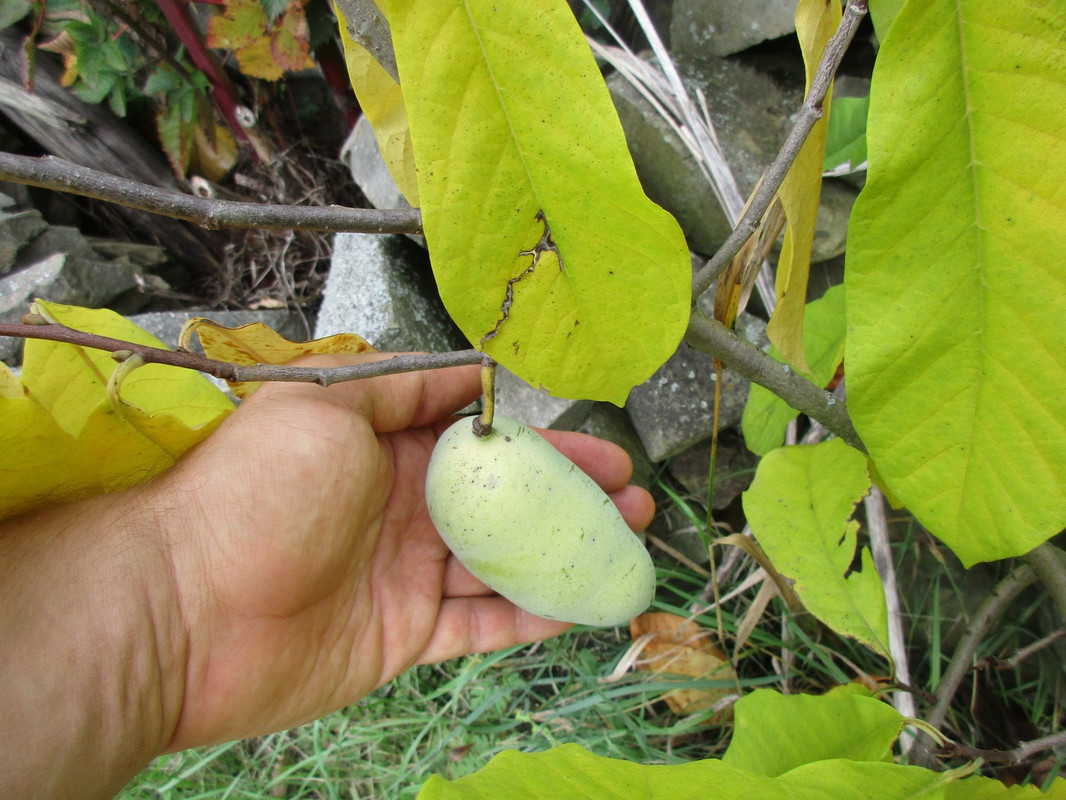
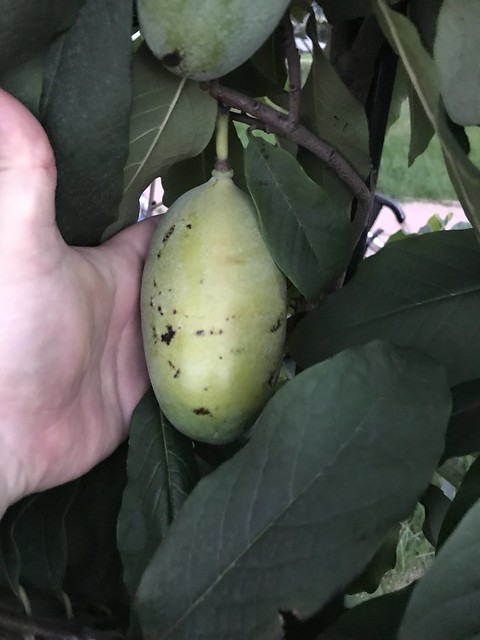
- Fruit Architecture: Medium-sized (86–246 g) with a high pulp-to-seed ratio.
- Sensory Notes: Smooth, buttery consistency with a "honeyed" sweetness.
- Ripening window: Late season; October harvest in northern latitudes.
- Pollination: Evidence suggests potential partial self-fertility (similar to Sunflower).
- Production: Stable, though yields can fluctuate based on regional heat accumulation.
- Availability: Specialty designated; primarily sourced through Northwoods Nursery.
Variety Description
Summary
Mary Foos Johnson is a heritage selection with deep roots in the Pacific Northwest experimental programs. It entered the repository via the North Willamette Experimental Station, originating from seeds collected by the legendary Milo Gibson in Kansas. It is functionally similar to Sunflower, making it a "stable" alternative for those seeking a sweet, low-seed fruit. While it leans towards the late season, its high sugar concentration (Brix levels over 22%) makes it one of the most physically satisfying varieties to eat fresh.
Status and History
This variety serves as a bridge between wild Kansas genetics and western horticultural management. It was preserved and named in honor of Mary Foos Johnson, who was instrumental in bringing these genetics to the attention of the Oregon research community.
Orchard Characteristics
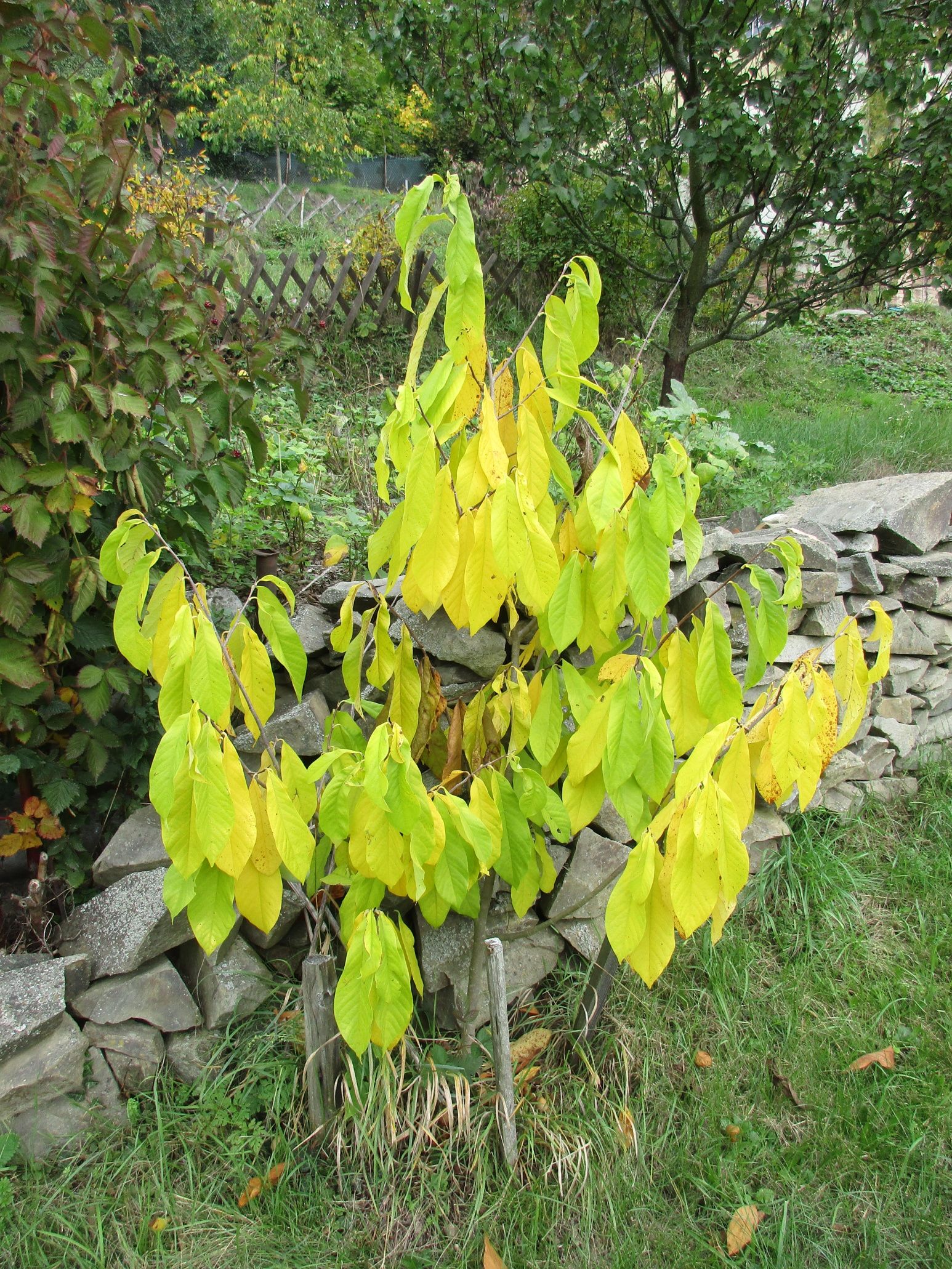
Growth Dynamics: It exhibits a moderate growth habit, reaching a manageable height between 8 and 12 feet. Harvest Management: This is a "patient" variety. It requires the fall's full solar cycle to develop its signature buttery flesh. In northern zones, it should be planted in the warmest microclimate available to avoid early frost damage to the fruit.
Fruit Quality
Edible Utility: The seeds are relatively sparse, which increases the value of the fruit for culinary application. Aesthetics: The yellow skin acts as a "ripeness indicator," transitioning clearly when ready for harvest. Palette: Often rated as "Standard Elite"—meaning it provides the classic pawpaw experience without offensive "wild" aftertastes.
Resilience and Hardiness
Climate Limits: Fully hardy in USDA Zones 5–8. Disease Profile: Maintains standard species resistance, though its late-season ripening makes it more susceptible to late-season fruit spots if the autumn is exceptionally wet.
Management Verdict
Pros: Consistent sweetness, high edible recovery, potential partial self-pollination. Cons: Late ripening can be a risk in Zone 5, yield volume is moderate compared to heavy hybrids like Wabash.
Conclusion
Mary Foos Johnson is a refined "connoisseur's variety." It is best suited for gardeners who value flavor intensity and ease of eating over sheer industrial volume. Its historical pedigree and resemblance to Sunflower make it a safe, high-quality addition to any home orchard.
Breed Performance Summary
| Indicator | Cultivar Metric |
|---|---|
| Breed Lineage | Milo Gibson Seedling (Kansas Line) |
| Sugar Content | High (22%+ Brix) |
| Pulp Color | Butter-Yellow |
| Seeding Rate | Low (High Edible Yield) |
| Ripening Window | Late (October) |
| Pollination | Possible Partial Self-Fertility |
| Primary Utility | Fresh Eating / Niche Markets |