Key Points
- Origin: The third KSU cultivar release (2018), selected from open-pollinated seedling populations.
- Breeding: Kentucky State University program lead by Kirk Pomper.
- Tree: Notably fast-growing and high-yielding.
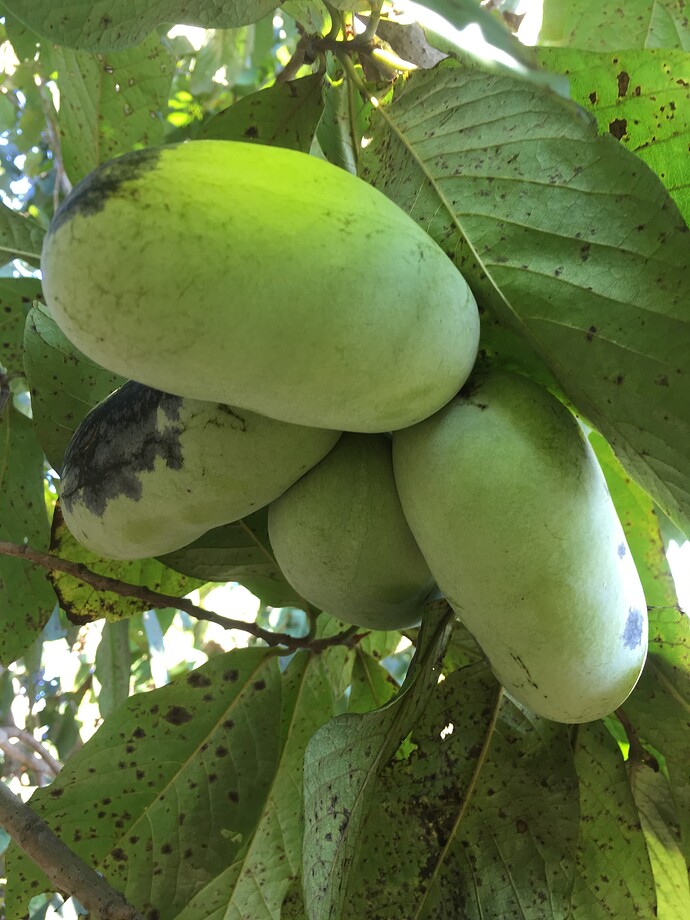
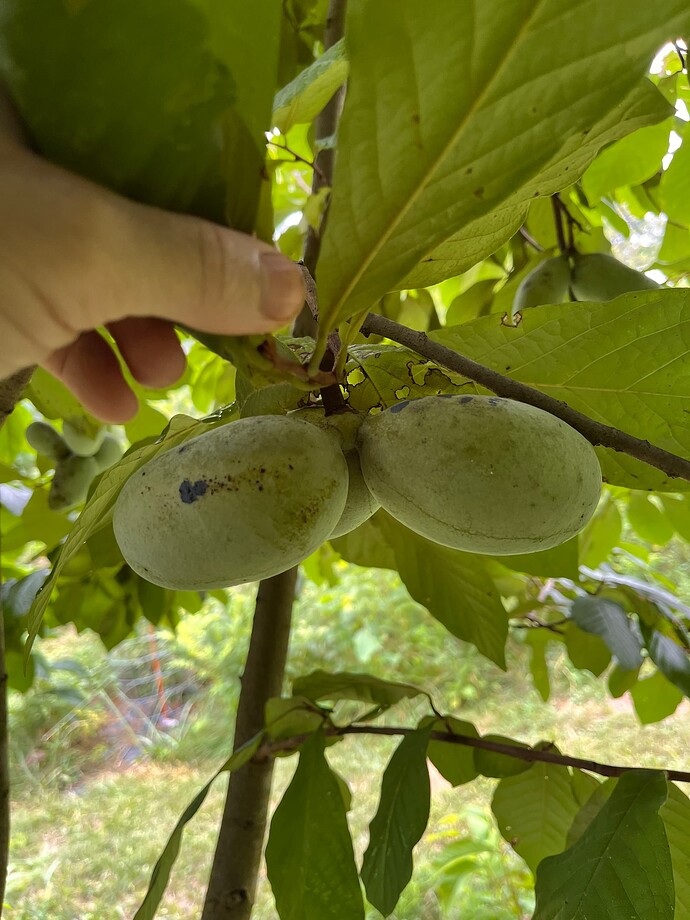
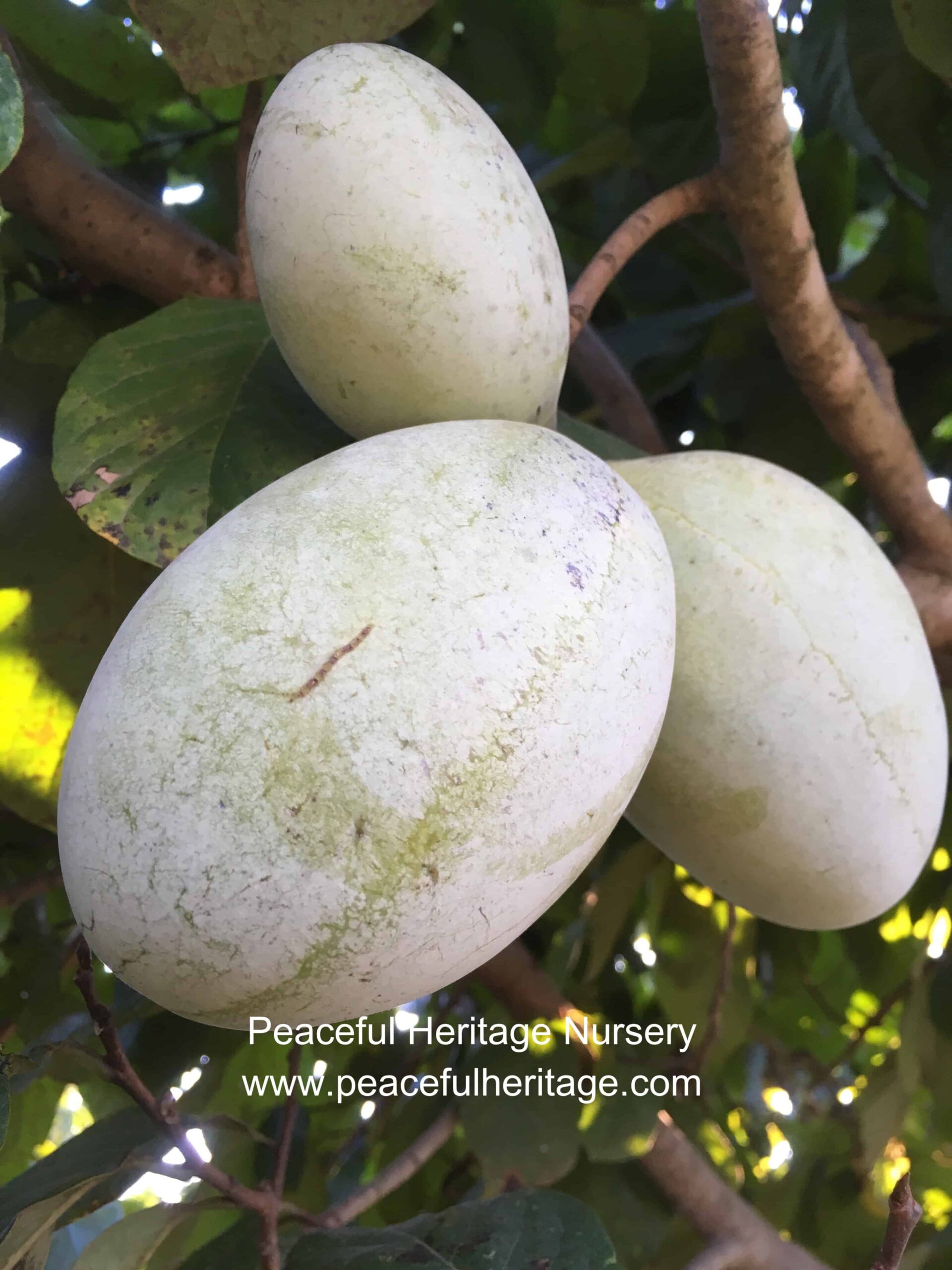
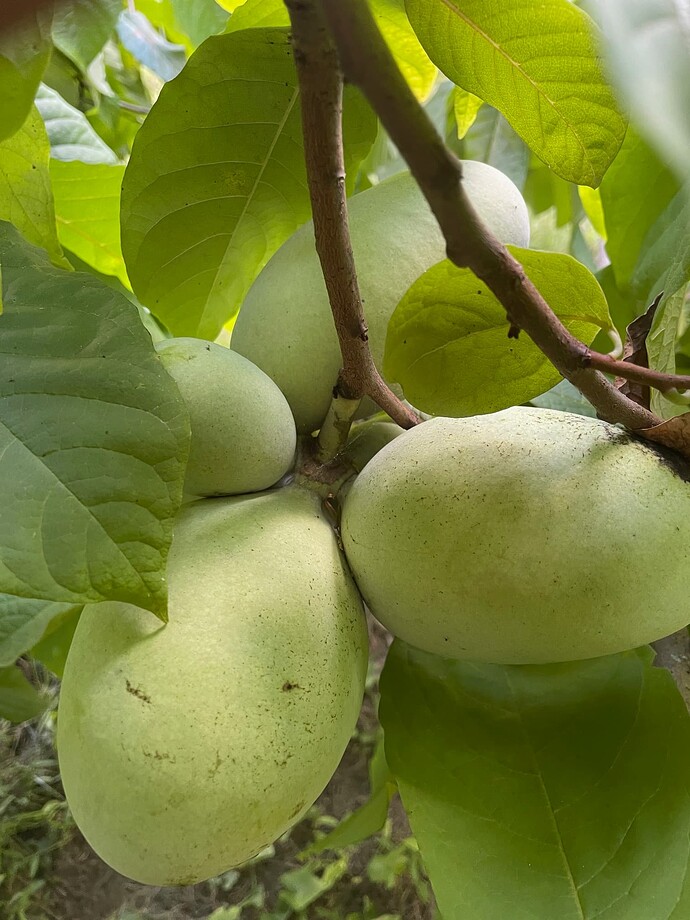
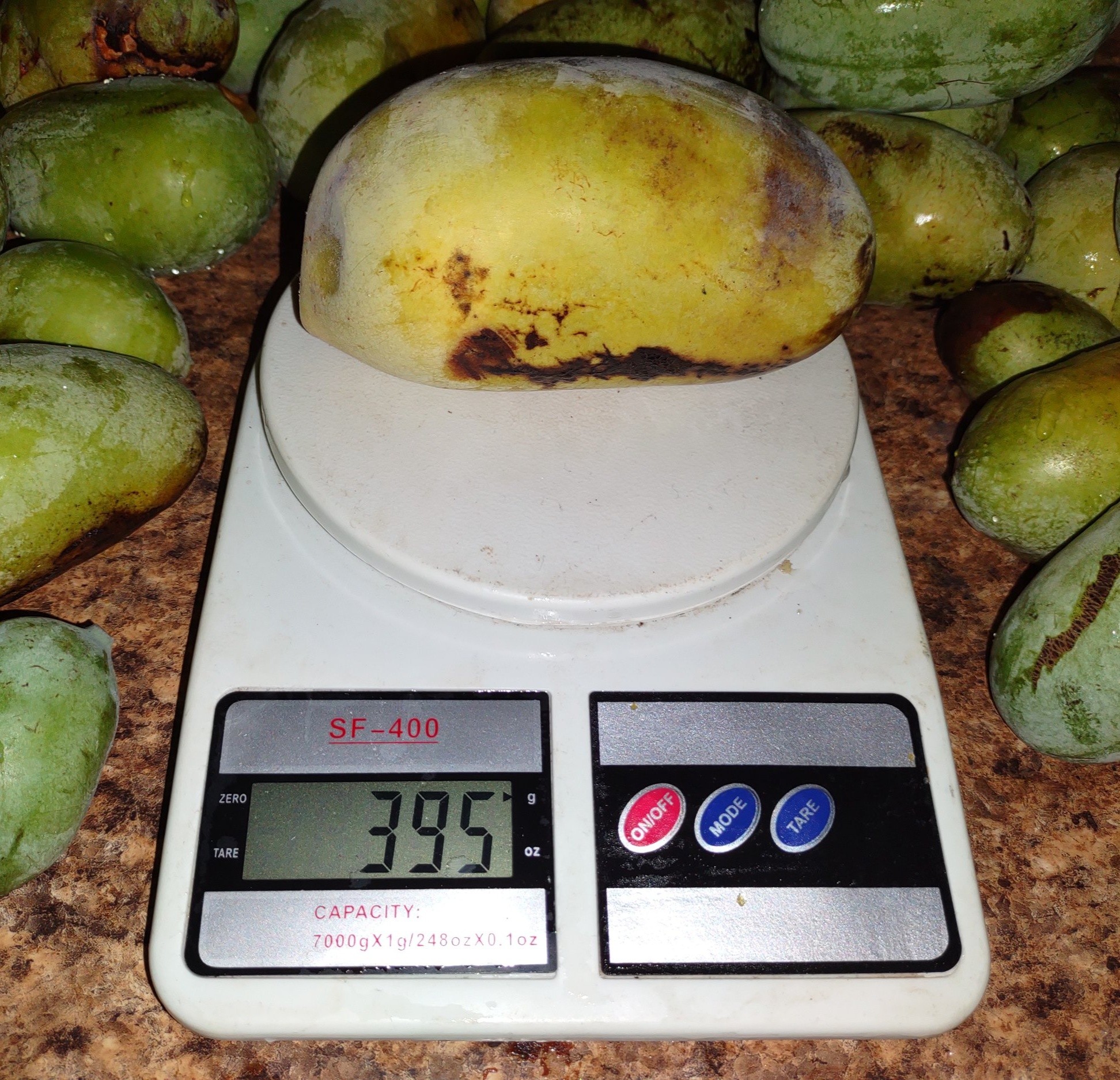
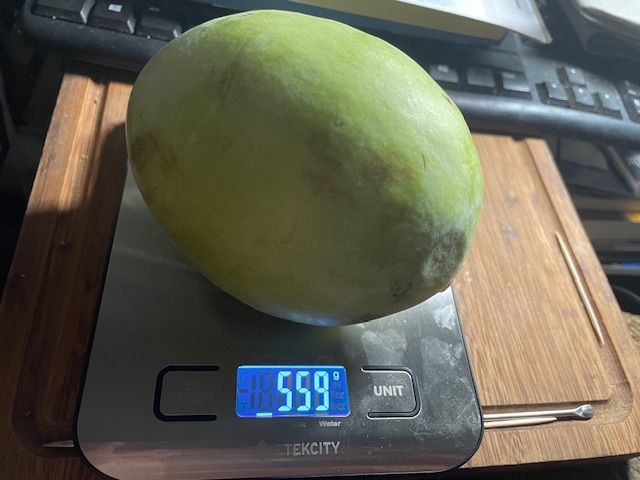
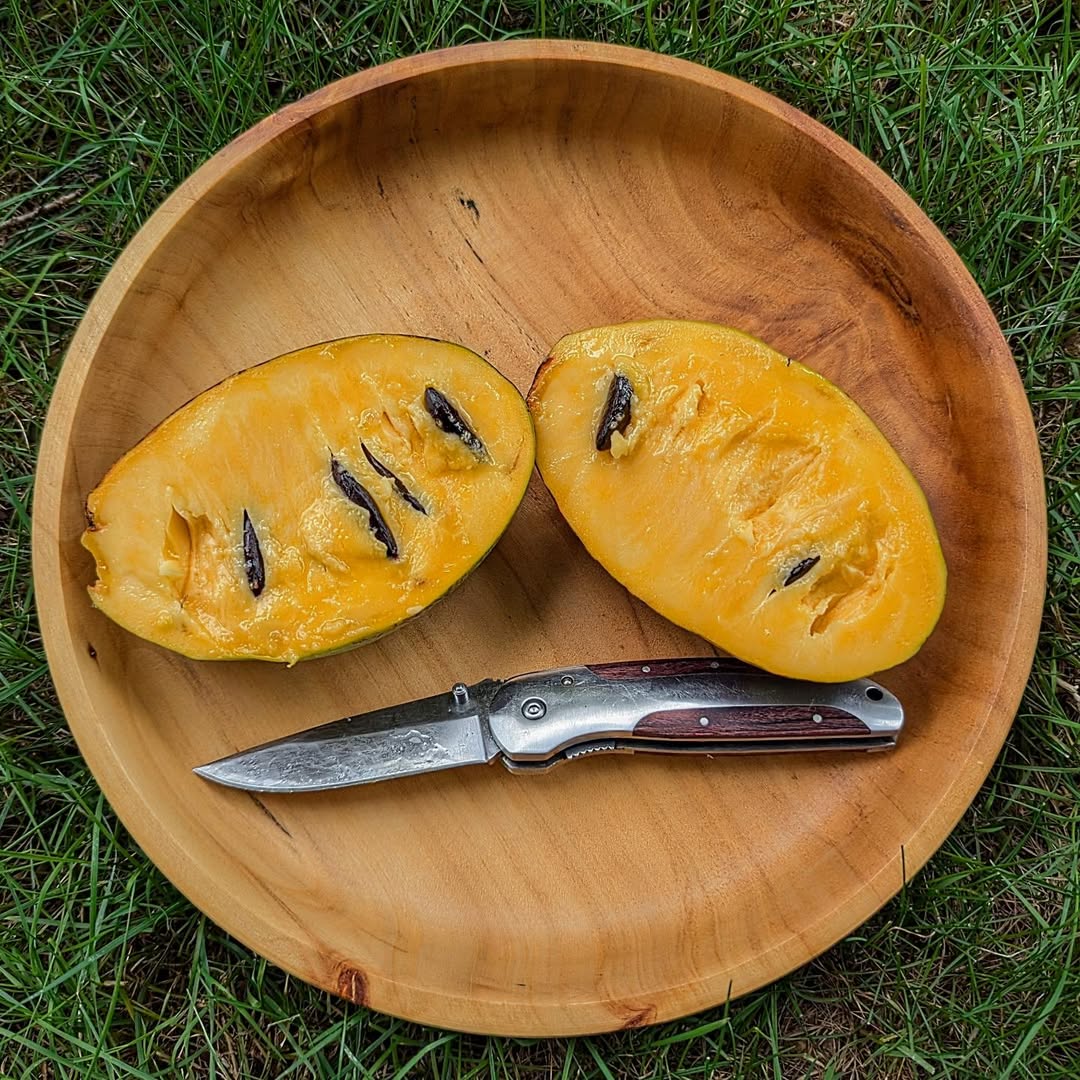
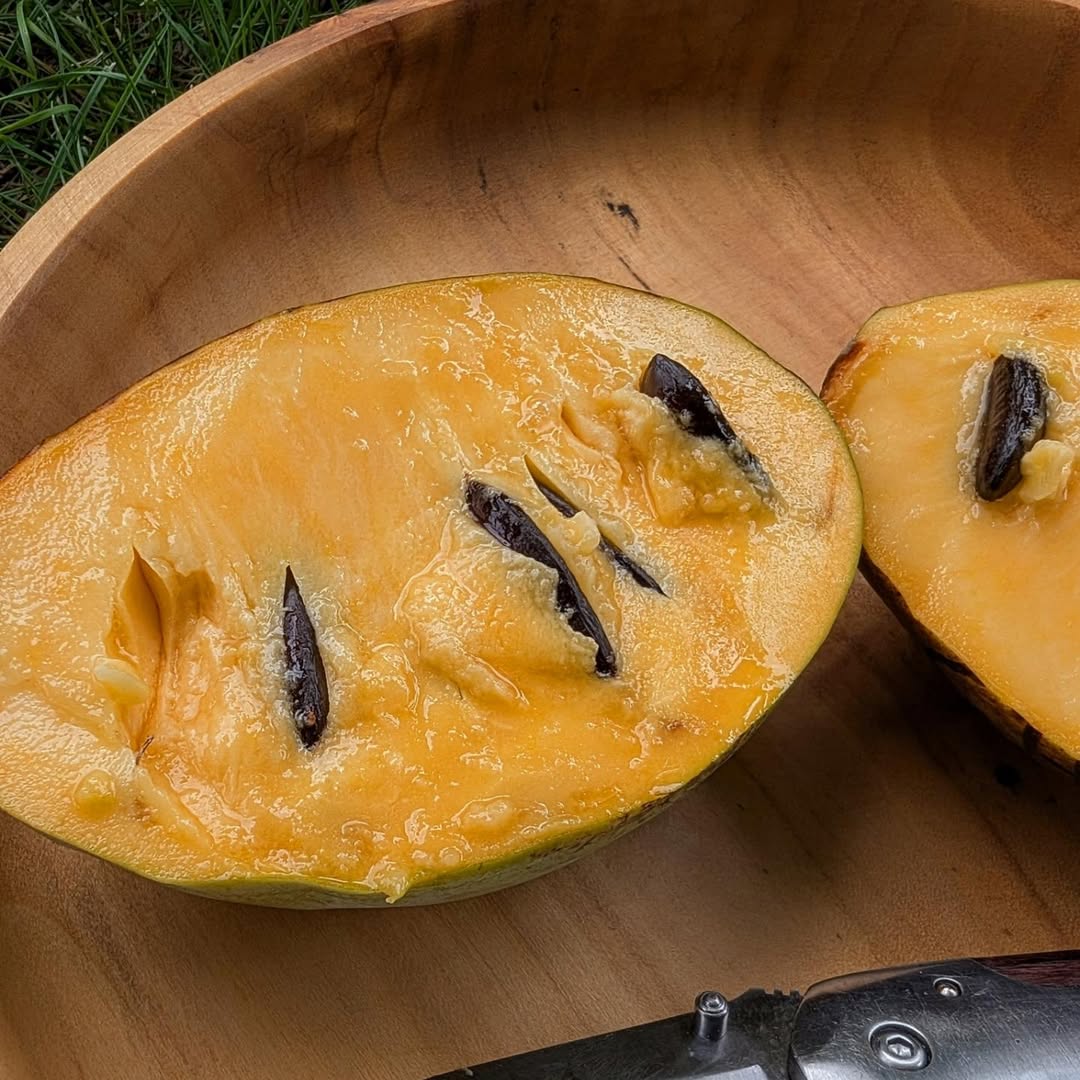
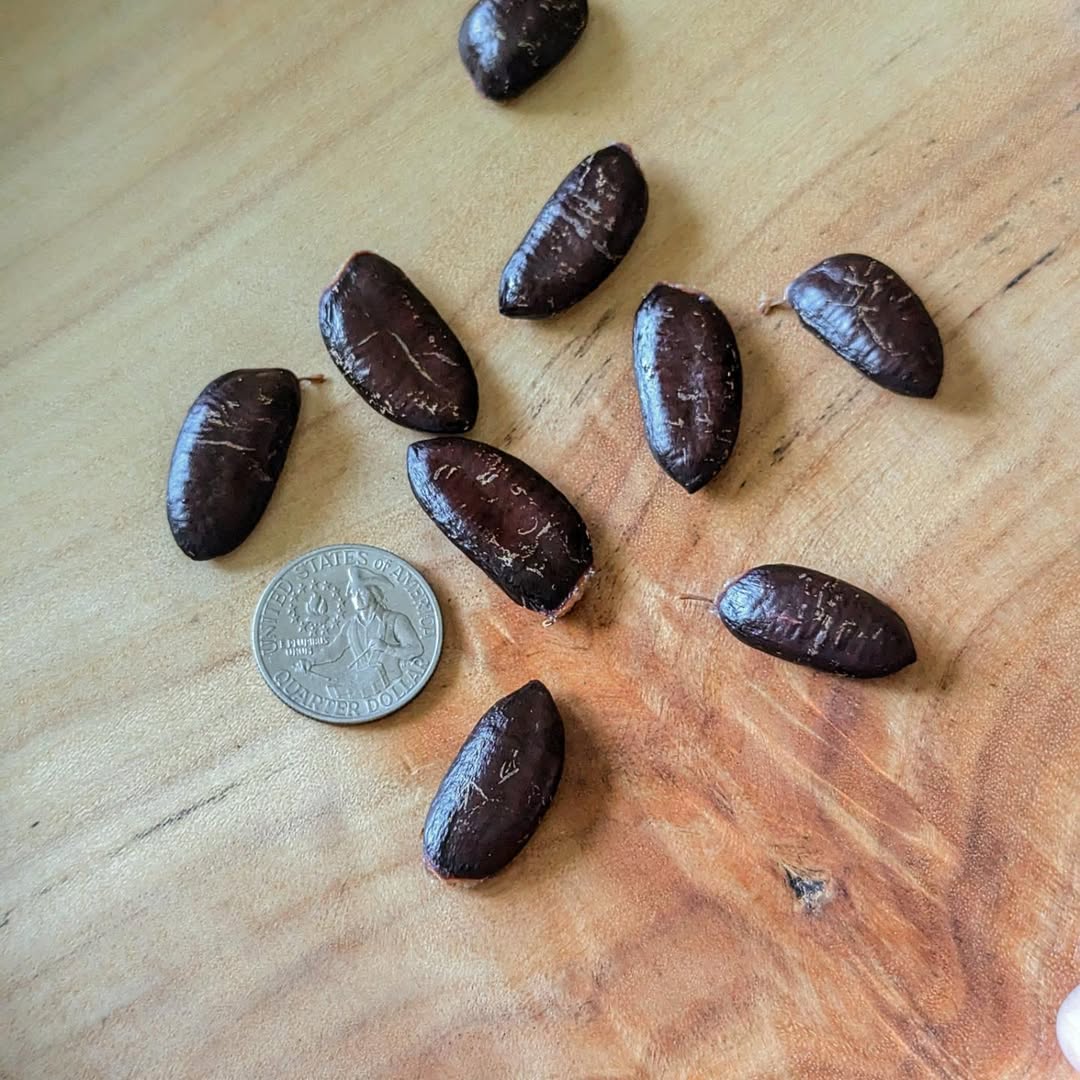
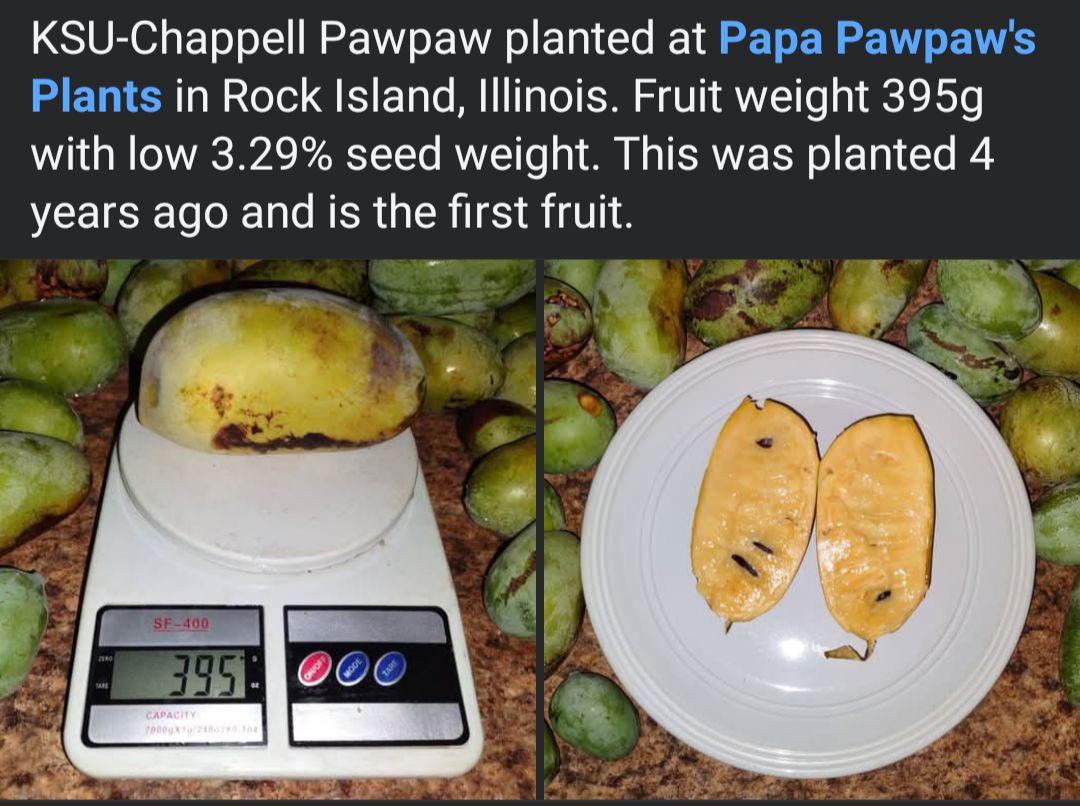
- Fruit: Large (224-436 g), round; features a very low seed percentage (~5–6 %) and Brix levels often exceeding 23°.
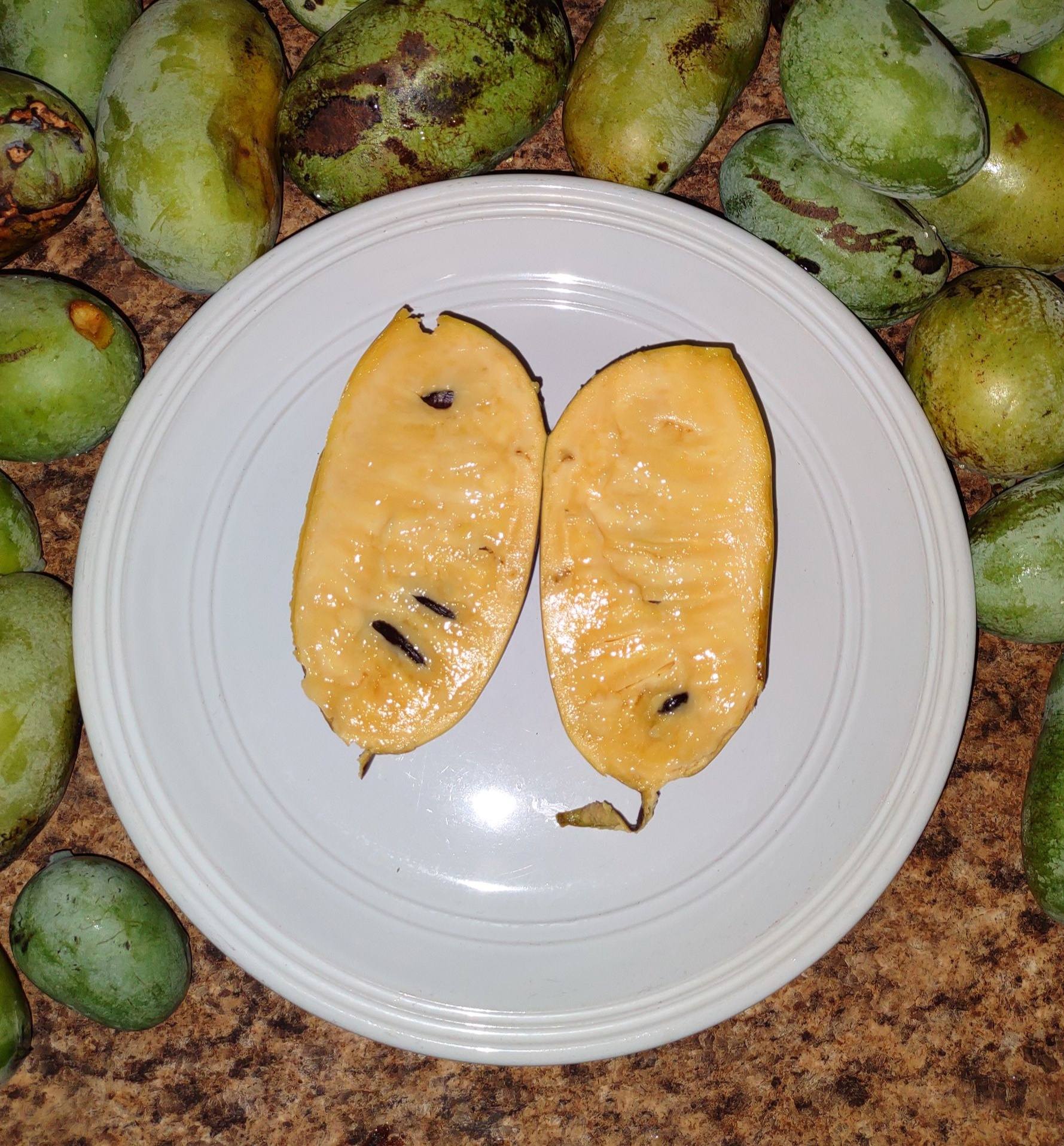
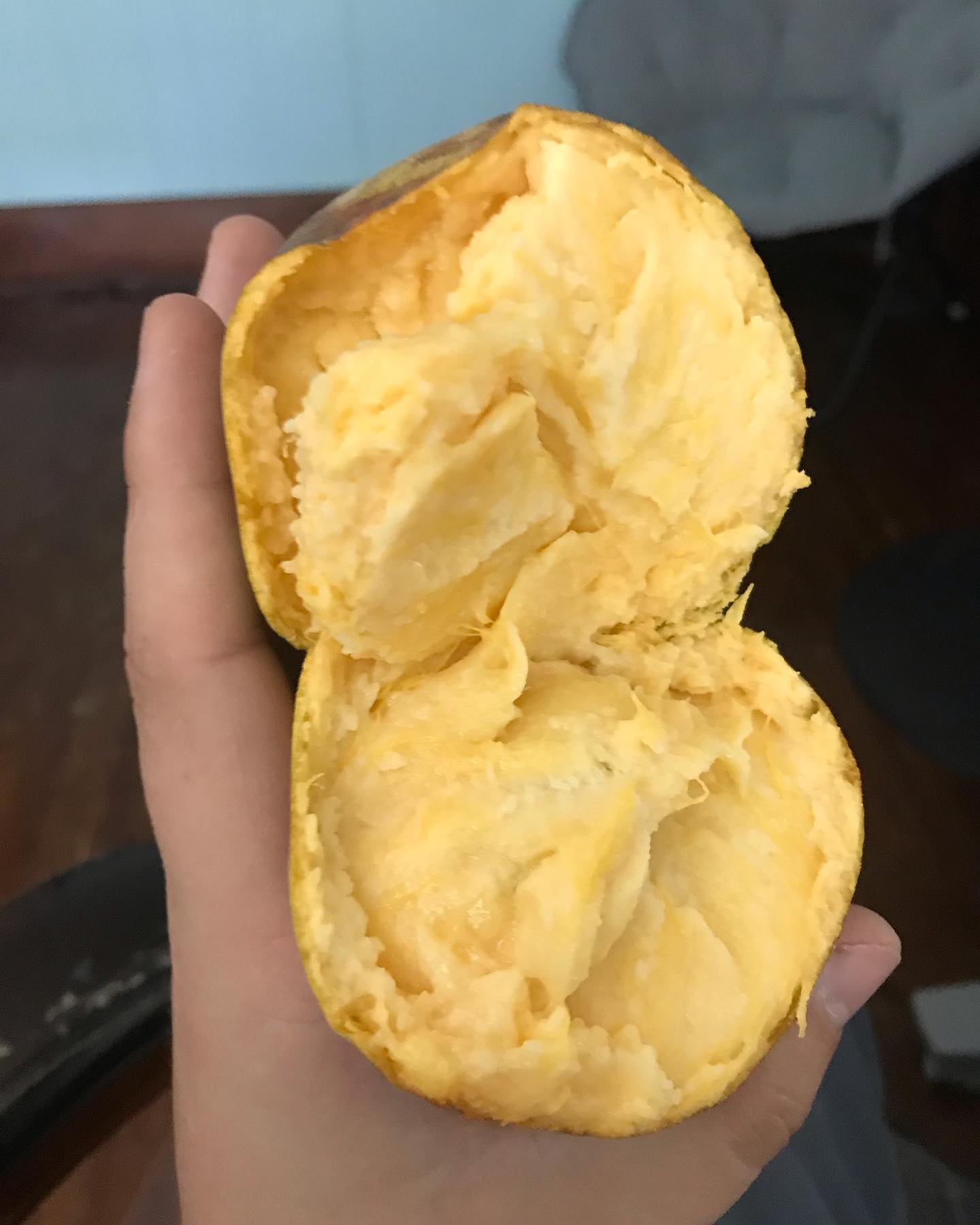
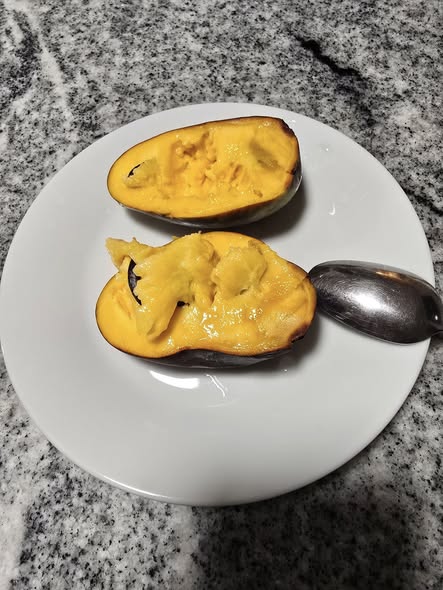
- Pulp: High-quality, lush, and creamy texture.
- Ripening: Mid-season.
- Constraint: Shows some susceptibility to fruit cracking in wet seasons and moderate sensitivity to Phyllosticta.
- Hardiness: USDA Zones 5–9.
- Market Potential: High, given its impressive fruit weight and flavor profile.
Variety Description
Summary
KSU-Chappell™ is the third official cultivar released (in 2018) by the Kentucky State University Breeding Program. It has quickly gained a reputation as an exceptionally fast-growing and high-yielding variety. Its large fruits are favored for their low seed content (weighted around 5–6%) and intense sweetness, with °Brix levels consistently measured over 23. While it matures in the middle of the pawpaw season, its performance regarding fruit cracking and leaf spot requires localized monitoring during damp or high-humidity years.
Official Recognition and Pedigree
KSU-Chappell (evaluated as KSU 4-1) was formally introduced as the successor to the Atwood and Benson releases. It was selected from a broad regional trial of open-pollinated seedlings. Multi-year data from 2016–2018 confirmed its status as a standout selection for its combined vigor and fruit quality.
Fruit Characteristics
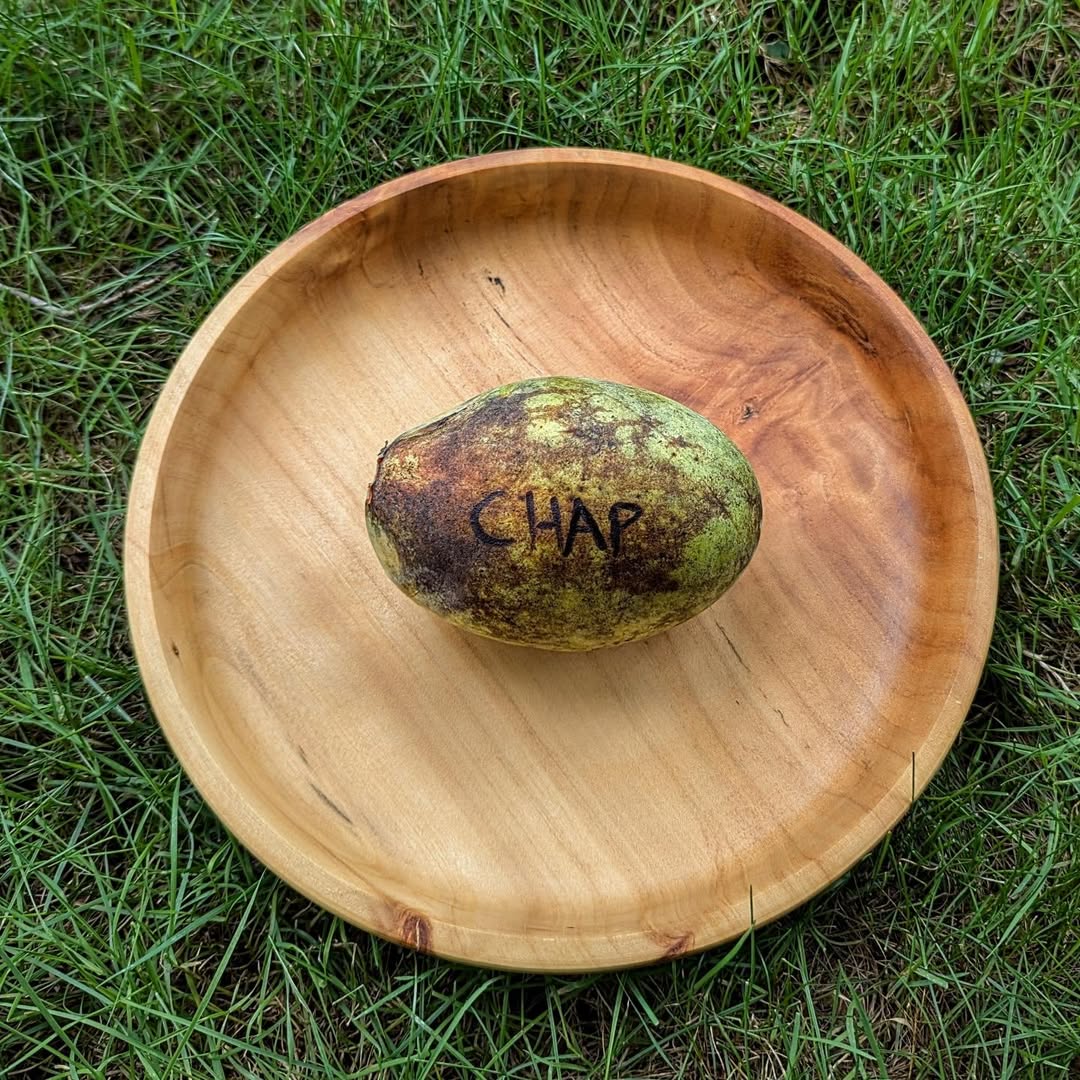
Dimensions and Weight: In KSU’s standardized three-year trials, the average fruit weight was recorded at ≈303 g. Commercial catalogs often specify a range between 227–340 g, with individual specimen weights occasionally exceeding one pound. Seed Ratio: One of the variety's most efficient traits, featuring a seed-to-weight percentage of only 5–6%. Sugars: Highly rated for its sugar density, consistently placing in the upper tier of tested cultivars with >23 °Brix.
Sensory Profile
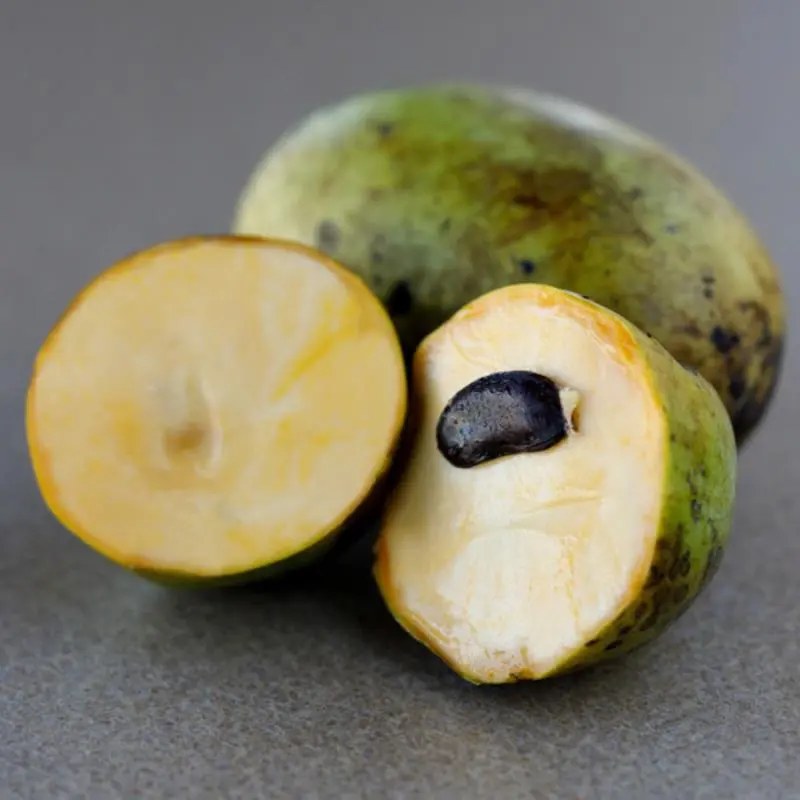
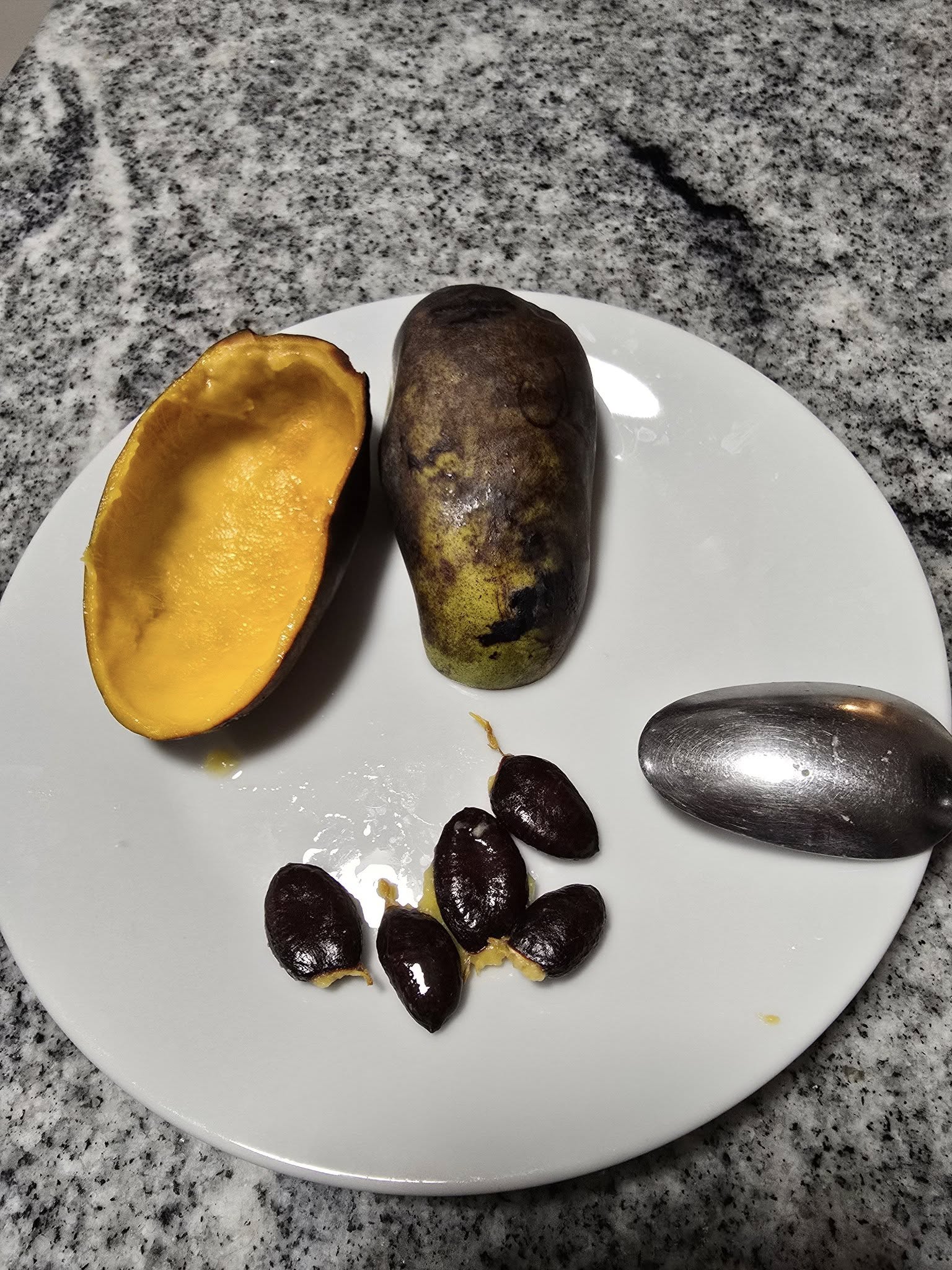
Morphology: Consistently round with smooth, green skin. Pulp: Features a striking golden-yellow, silky texture. Flavor: Dominated by a complex tropical signature that has earned it top scores in university-led blind tastings.
Ripening Times
Mid-Season: Chappell matures in the heart of the harvest period. In northern climates, this generally falls into the mid-to-late September window.
Vigor and Yield
Productivity: Currently ranked as one of the most prolific in the KSU arsenal in terms of fruit per tree. Vigor: Distinguished by its aggressive growth rate, especially during its establishing years.
Agronomic Considerations
Resilience: While generally disease-tolerant, it exhibits moderate susceptibility to Phyllosticta relative to the elite resistance of KSU-Atwood. Growers should also be aware that its skin may be prone to cracking during periods of heavy rainfall near harvest time.
Summary
KSU-Chappell™ is a powerhouse variety combining rapid establishment, massive yields, and elite fruit metrics. With its high Brix levels and minimal seed waste, it is a formidable choice for both commercial growers and home orchardists across USDA Zones 5–9, provided irrigation and humidity are managed.