Key Points
- Origin: The first official release from the Kentucky State University breeding program (2009), selected from Maryland seedlings.
- Naming: Honors Rufus B. Atwood, President of KSU (1929–1962).
- Tree: Moderate vigor, early to begin flowering, high resistance to fungal diseases.
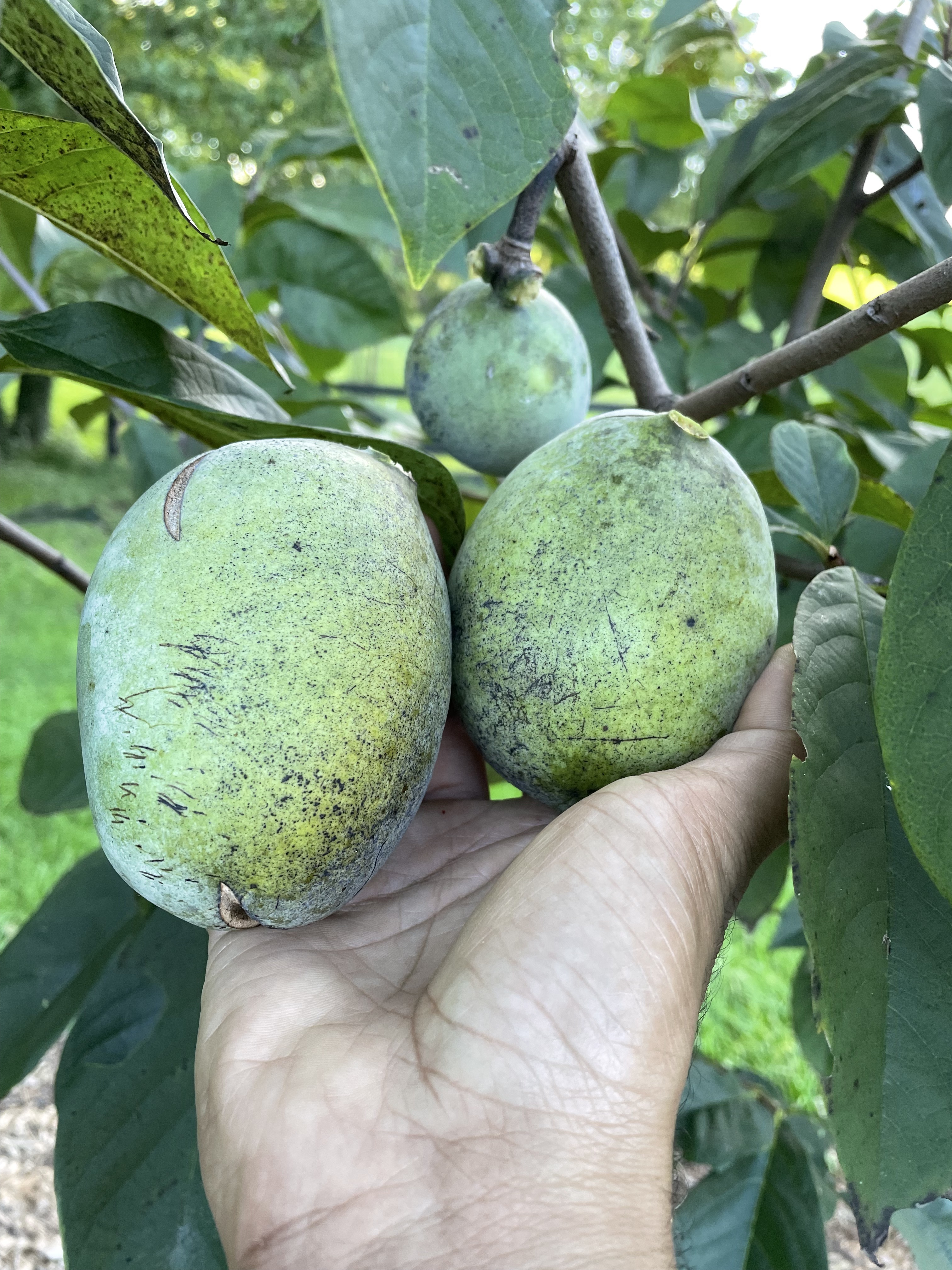
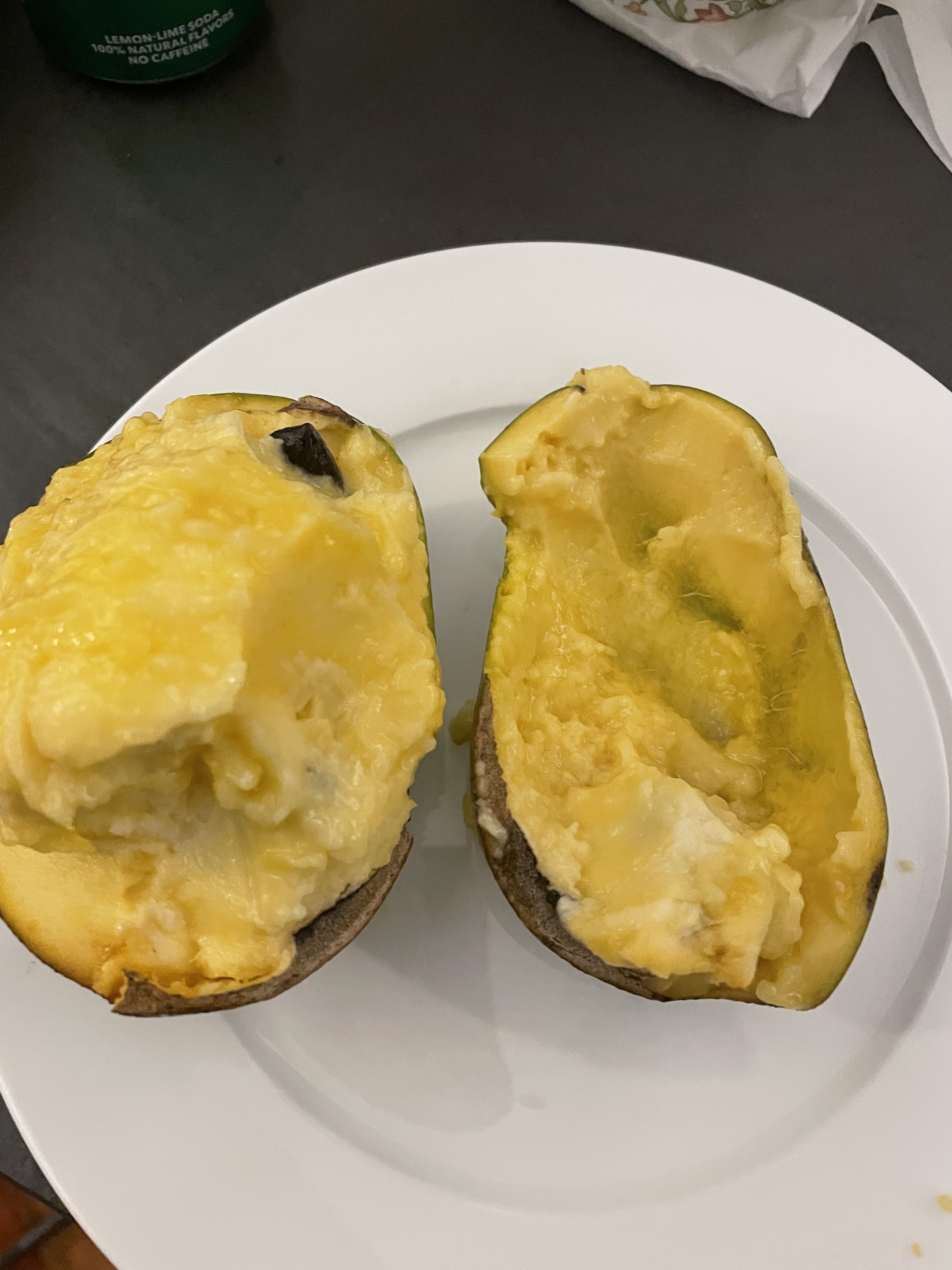
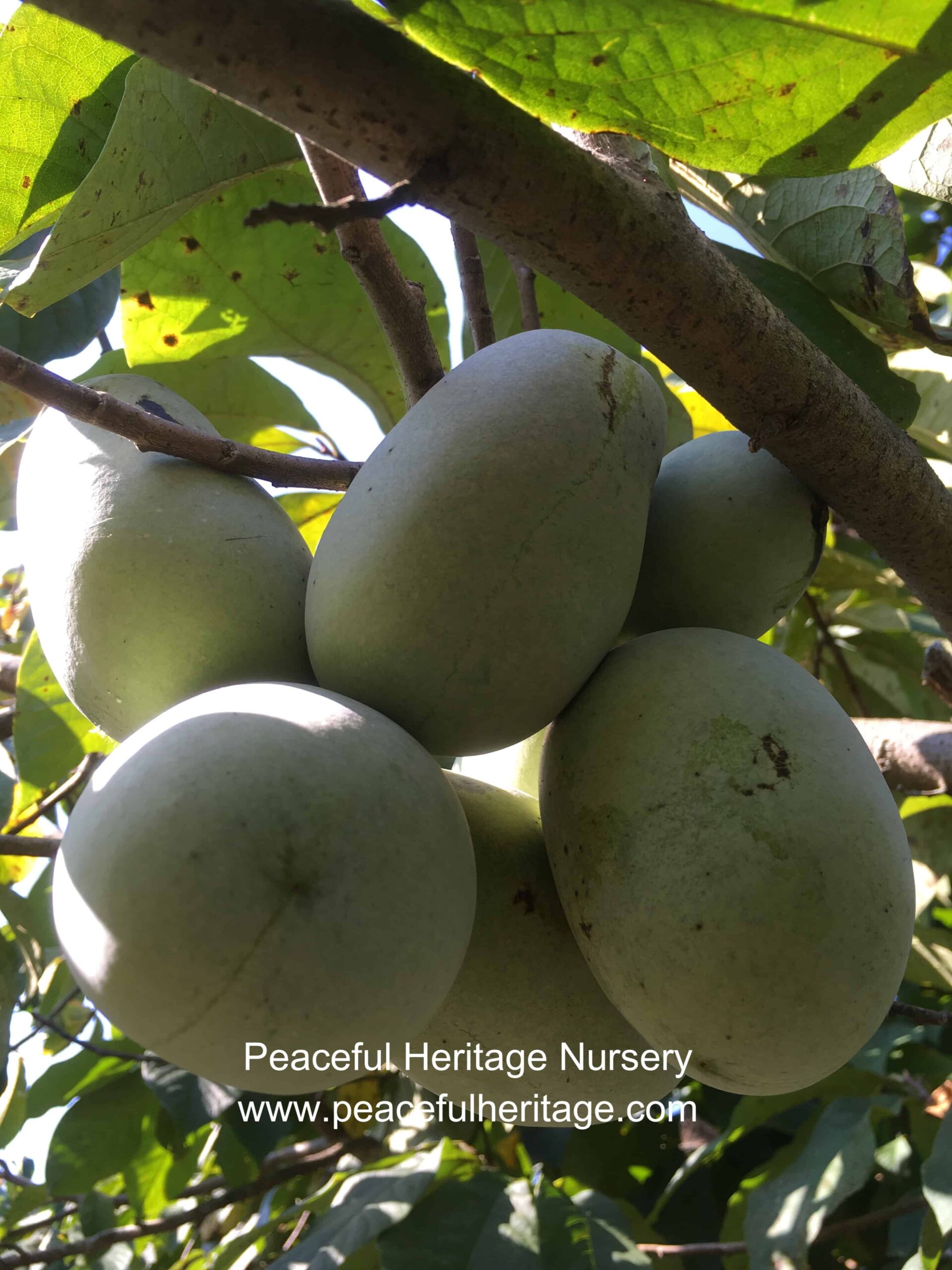
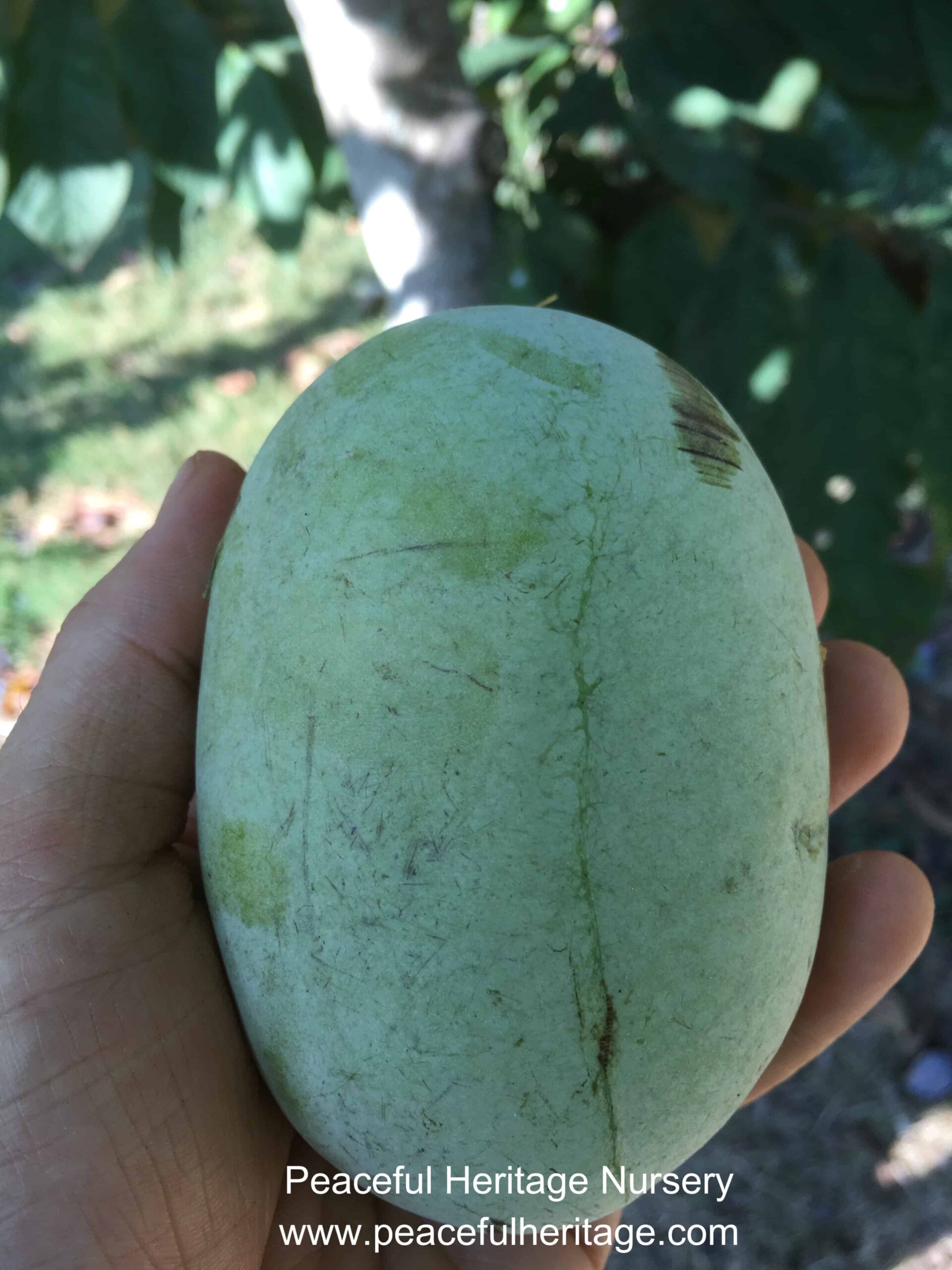
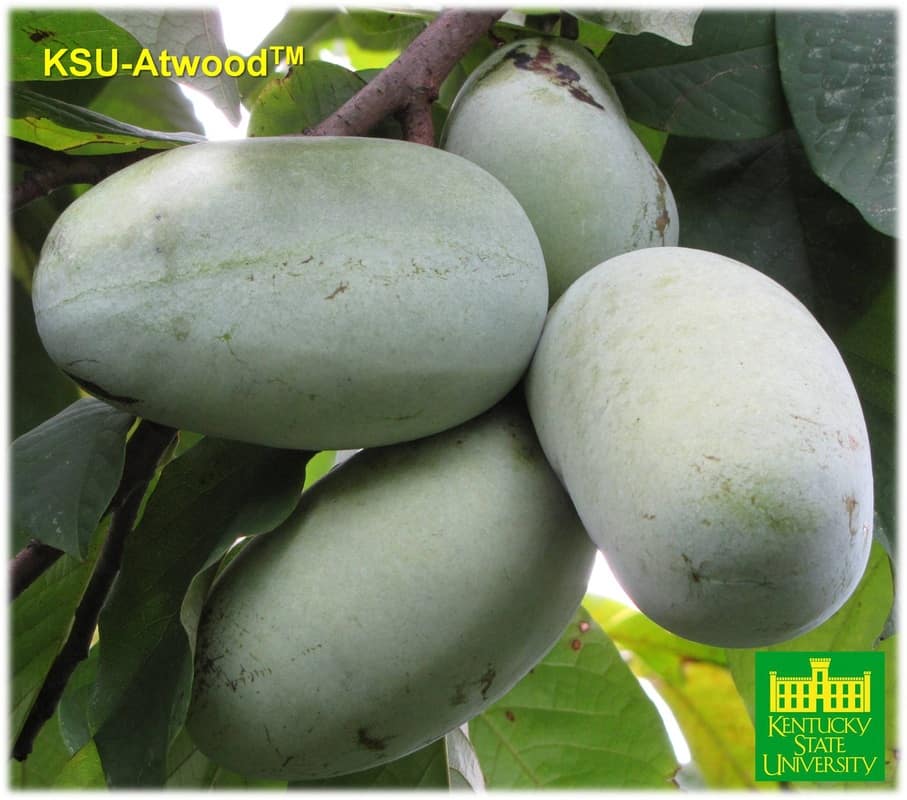
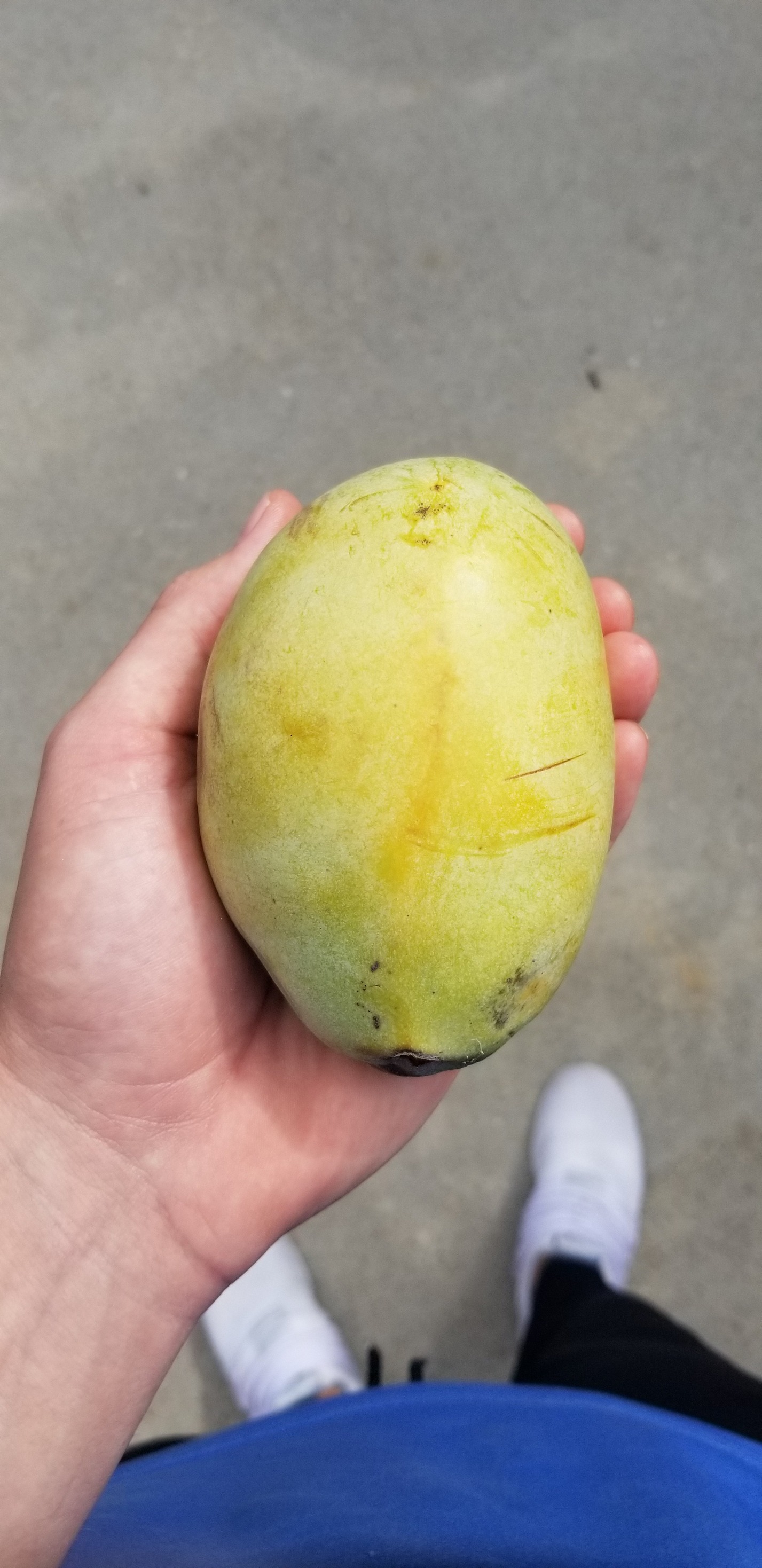
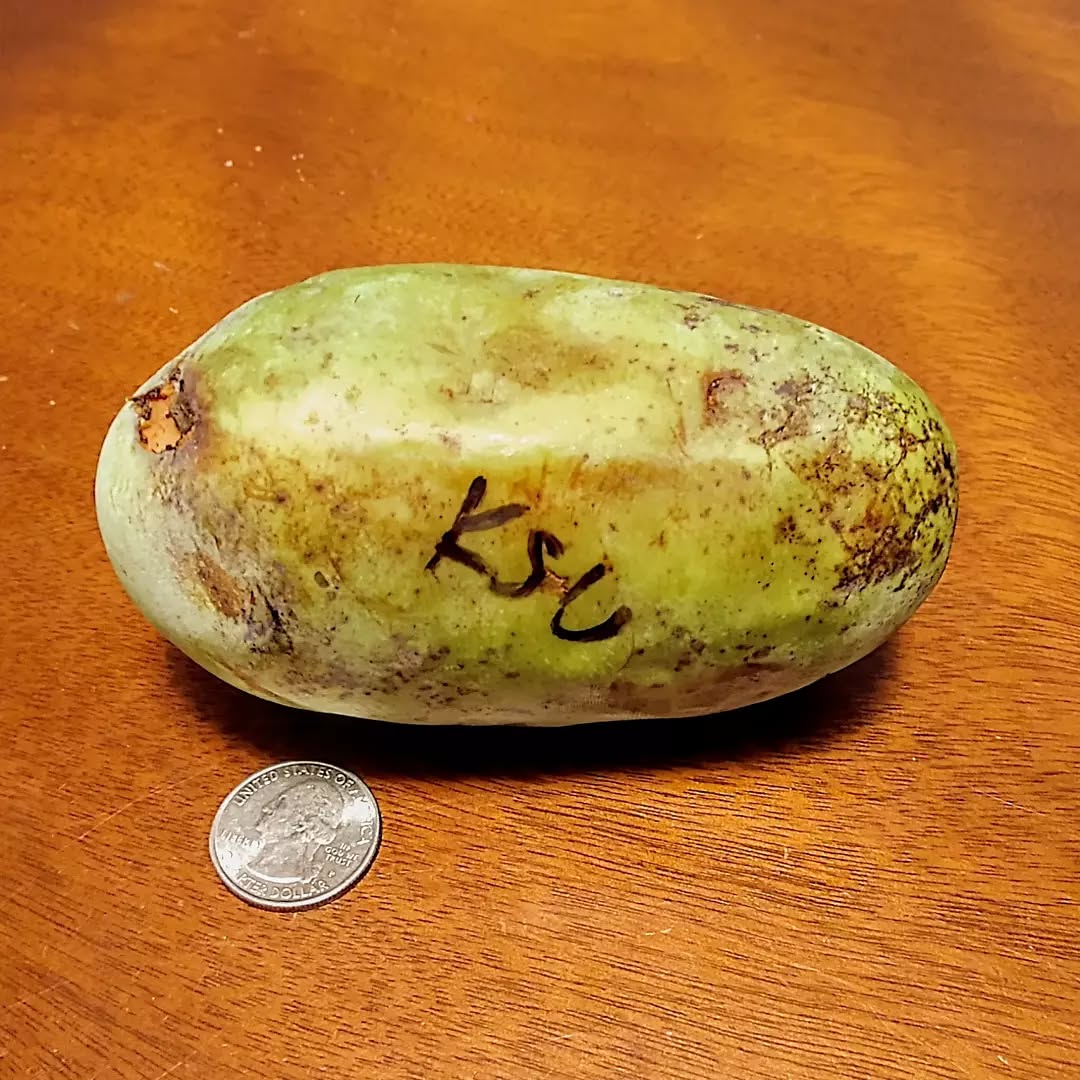
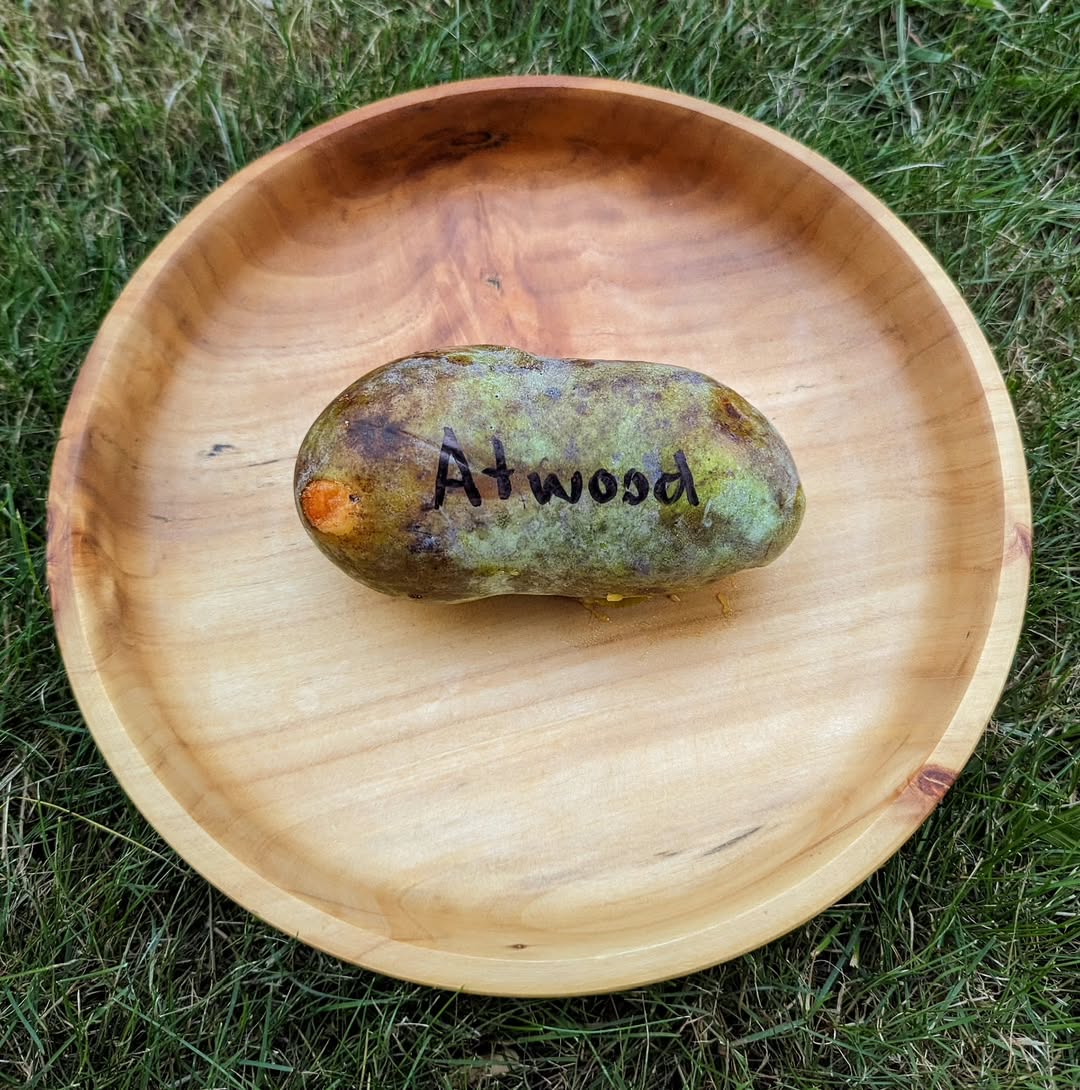
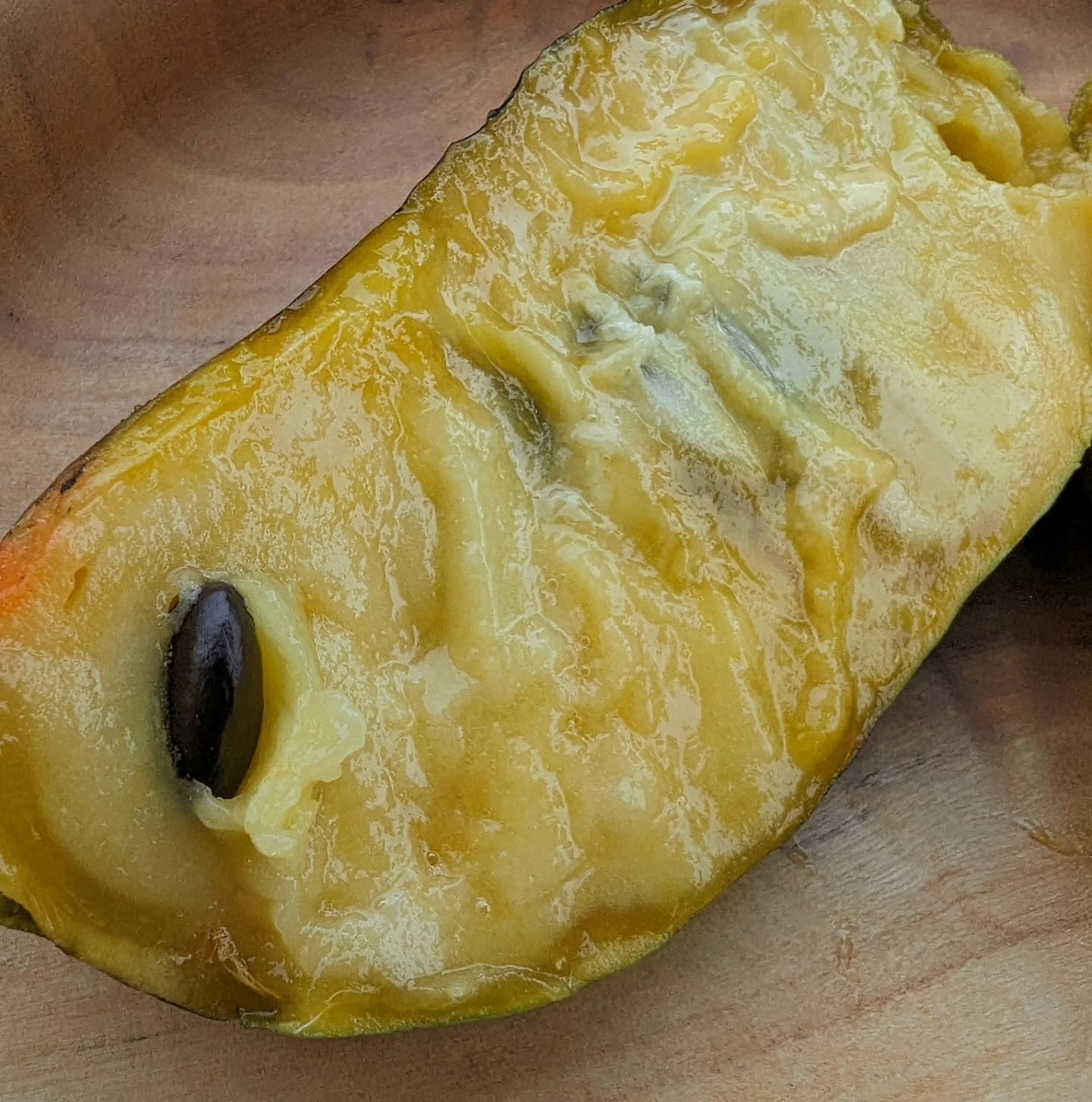
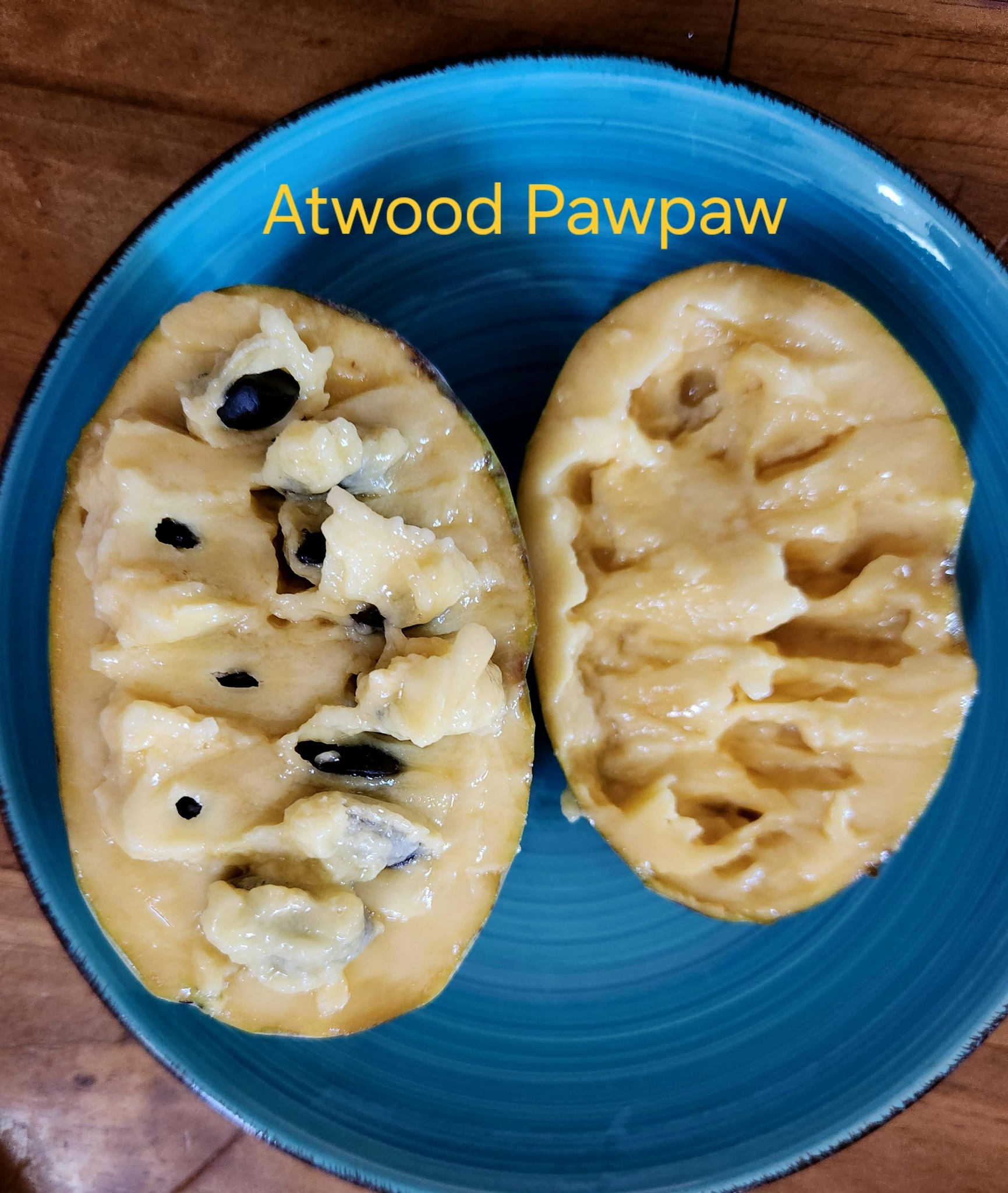
- Fruit: Medium-sized (120–210 g), round, with smooth greenish-blue skin and golden-orange flesh.
- Flavor: Refreshing tropical and mango-like profile; a frequent favorite in sensory evaluations.
- Seeds: Moderate seed content (~10.3%); relatively small seeds.
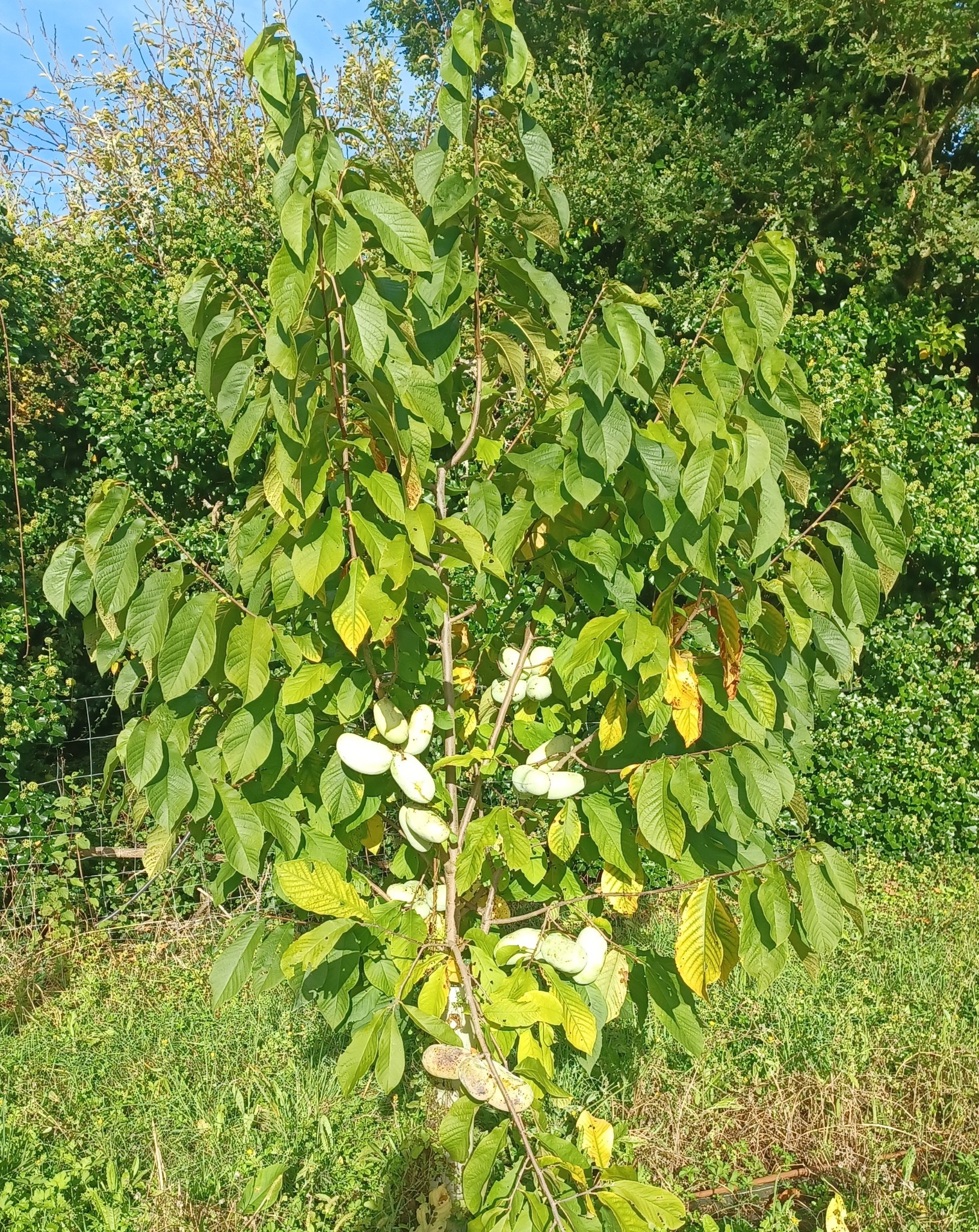
- Yield: Extremely high, with up to 150 fruits per tree; a reliable annual cropper.
- Industry Impact: Highly prometing for fresh markets due to its consistency and durability.
- Constraint: Fruit size is moderate compared to "giant" specialty cultivars.
Variety Description
Origin and Breeding
KSU-Atwood™ represents a milestone as the first official cultivar released (in 2009) by the Kentucky State University Pawpaw Breeding Program. It was selected from a population of Maryland-origin seedlings. The variety was named in honor of Rufus B. Atwood, a landmark figure in KSU history. The selection team was lead by Professor Kirk Pomper.
Tree Characteristics
Vigor: Moderate tree growth; notable for starting its flower production early, often when reaching just 120–150 cm in height. Bloom: Features an extended flowering window which increases the probability of successful cross-pollination. Disease Resistance: Widely cited as one of the most resilient cultivars against fungal pressures, particularly leaf-spotting Phyllosticta. Productivity: Mature trees are exceptionally prolific, reaching counts of over 150 fruits per specimen.
Fruit Profile
Form: Consistently round, uniform fruits. Dimensions typical range from 11–18 cm in length. Weight Metrics: Official KSU datasets initialy cited ~120 g, though contemporary orchard reports and regional trials show a higher average range between 138–209 g. Skin: Features a distinctive, sleek greenish-blue cast. Pulp: Rich golden-yellow or orange, with a juicy, custard-like texture. Sensory profile: Celebrated for its bright tropical notes and mango-like finish. Soluble solids (°Brix) typically range from 20–24% depending on site conditions. Seed Content: Considered moderate at ~10.3%, with seeds being smaller on average than wild counterparts.
Ripening Times
Mid-Season to Mid-Late. Atwood generally matures in the middle of the pawpaw calendar, though cool northern climates may push the harvest into the later weeks of the season.
Yield and Productivity
Productivity is both high and regular, showing great reliability even in juvenile trees. KSU trials recorded yields of up to 20 kg per tree in established research blocks. Its early entry into production and aesthetic uniformity make it a top candidate for commercial orchardists targeting high-end fresh fruit markets.
Agronomic Resilience
One of KSU-Atwood’s strongest assets is its superior resistance to Phyllosticta (leaf and fruit spot). In multiple comparative university trials, it exhibited significantly lower infection rates than other industry standards, making it ideal for regions with high humidity.
Market Assessment
KSU-Atwood is categorized as a "highly promising fresh-market variety." Advantages include its "clean" visual appeal, productivity, and flavor consistency. While it may not compete in size with "giants" like Susquehanna, its reliability and disease profile provide unique security for commercial growers.
Summary
KSU-Atwood™ is a foundational cultivar that combines elite productivity with market-ready aesthetics and superior disease resistance. While its fruit size is classified as medium, its overarching reliability and flavor profile ensure its status as a cornerstone variety for both professional and amateur growers globally.