Key Points
- Origin: Corwin Davis selection (Michigan, 1959).
- Fruit: medium (~149-339 g), yellow pulp, sweet taste with banana-mango notes.
- Ripening: late September – mid-October (depends on climate).
- Storage: handles cold storage well.
- Tree: 4–6 m, fruiting in 3–5 years.
- Pollination: cross-pollination required, another variety needed.
- Hardiness: USDA 5–9, down to −25...−28 °C.
- Resistance: not particularly vulnerable, standard measures apply.
Variety Description
Origin, History, and Breeding Context
Selected by Corwin Davis at his orchard/collection in Michigan; Davis was a pivotal collector/promoter of local pawpaw selections in the 20th century, and his material was used by other breeders. The 'Davis' fruit/material was subsequently used in crosses and selections (mentioned as parent material in several later works).
Fruit Description (Measurements, Appearance, Pulp, Taste)
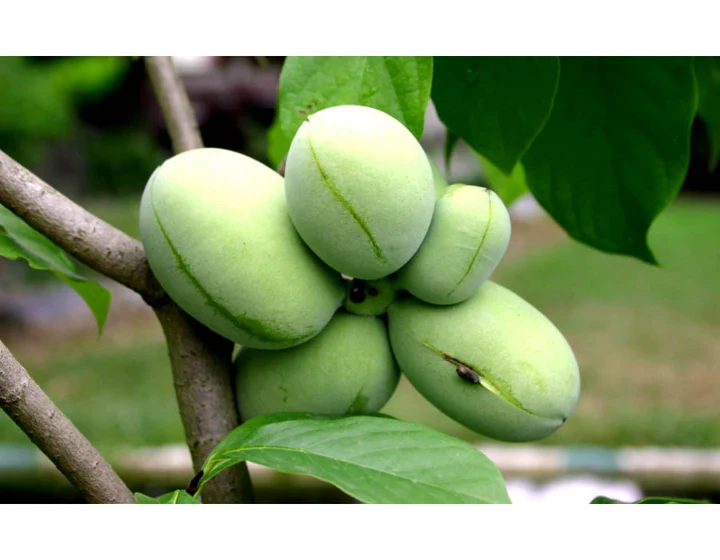
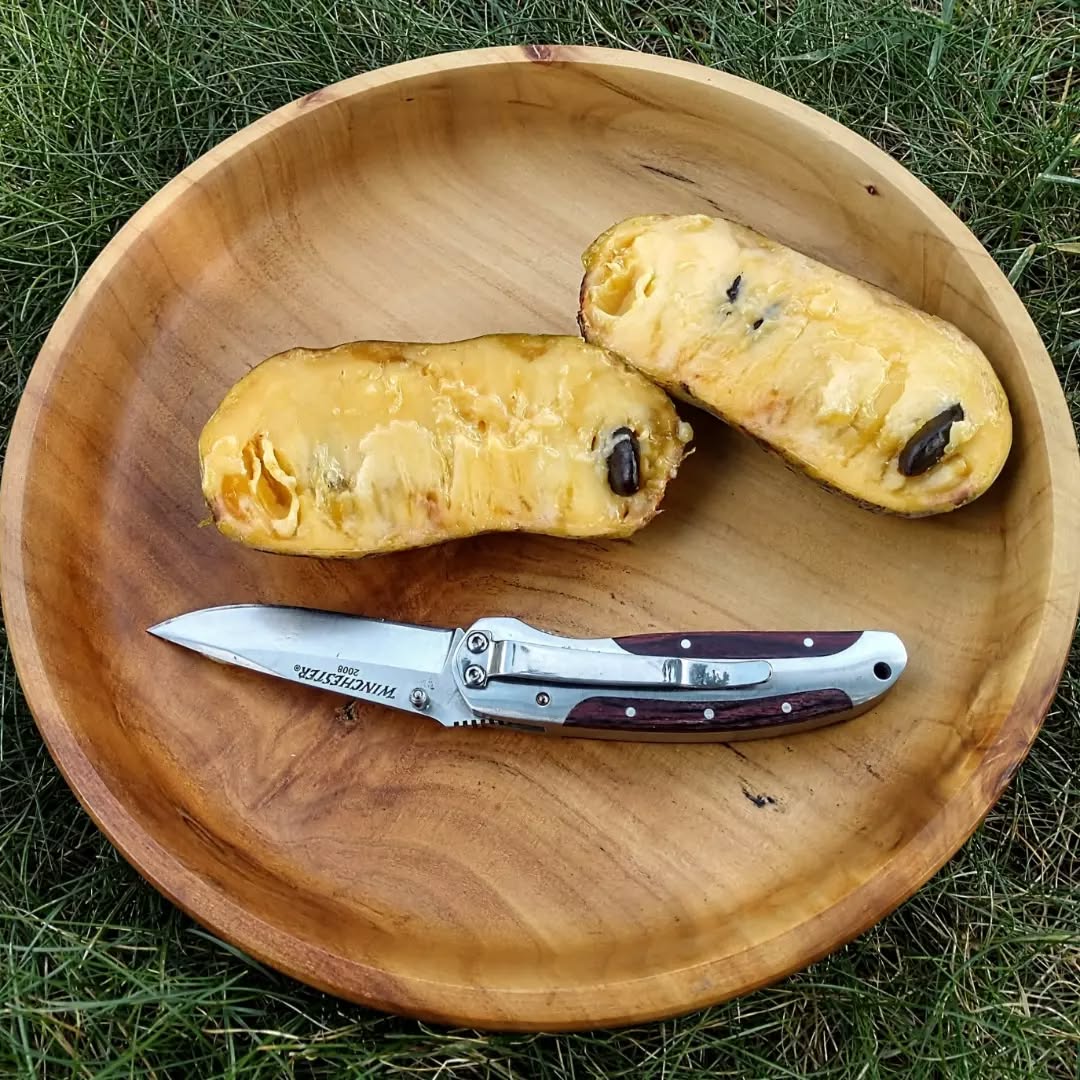
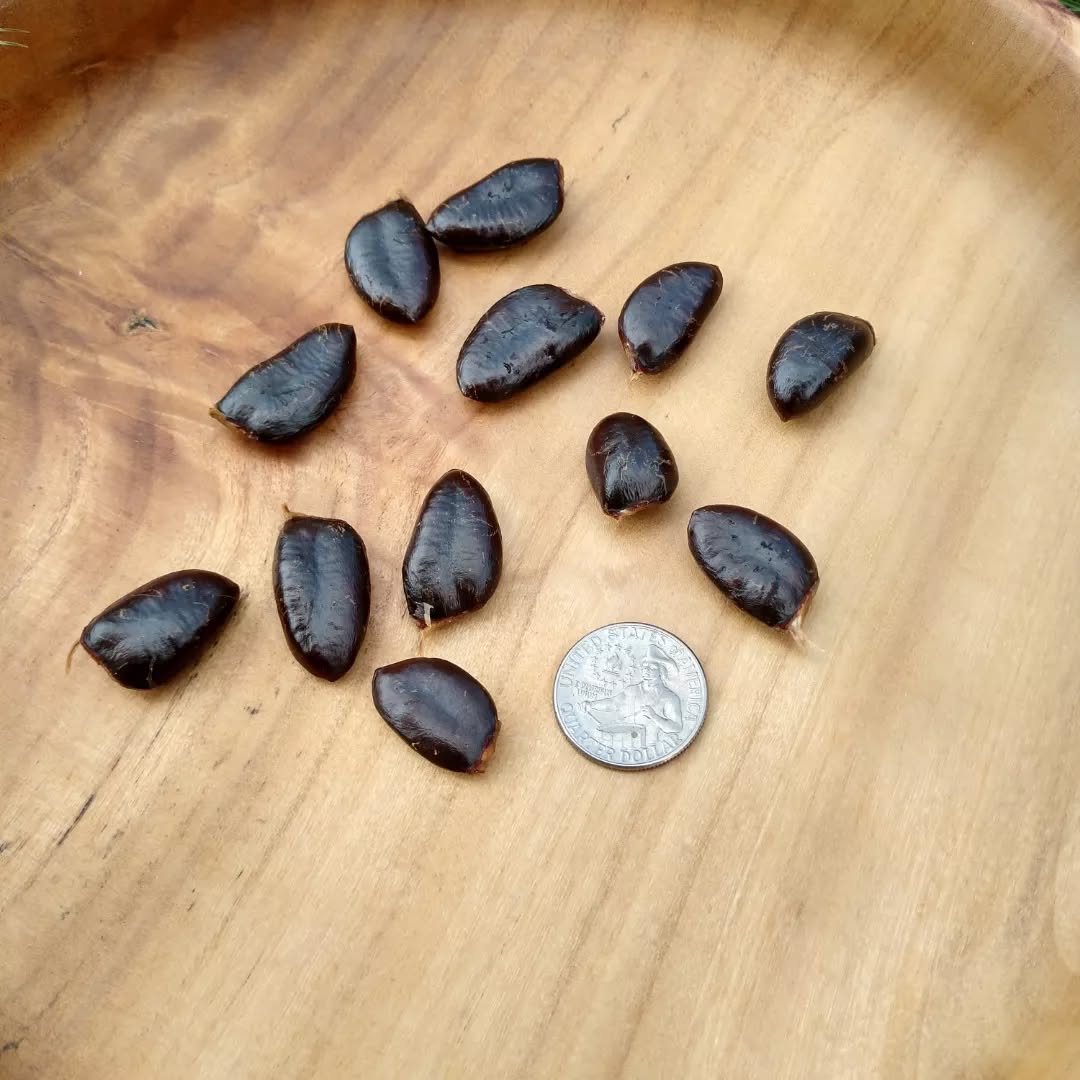
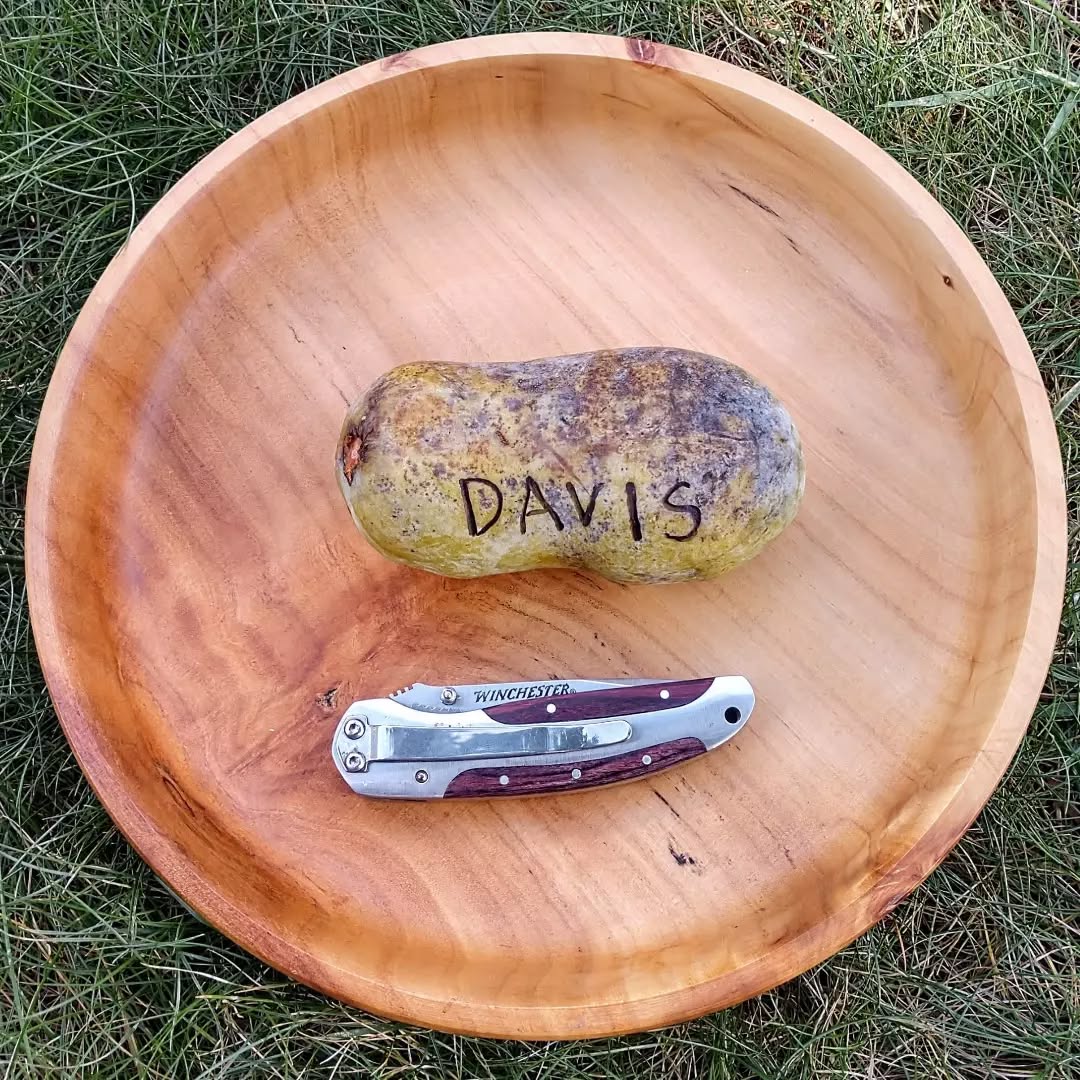
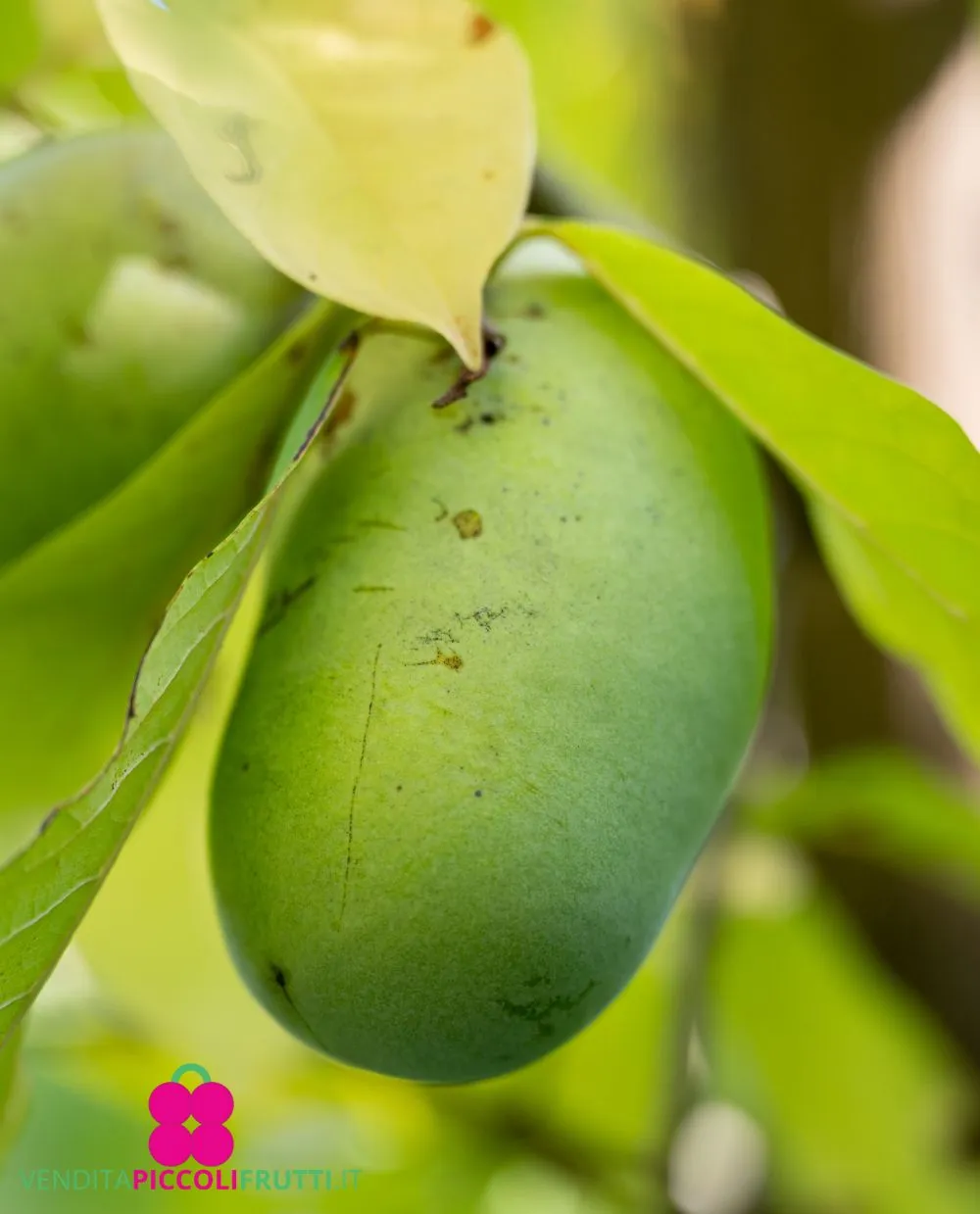
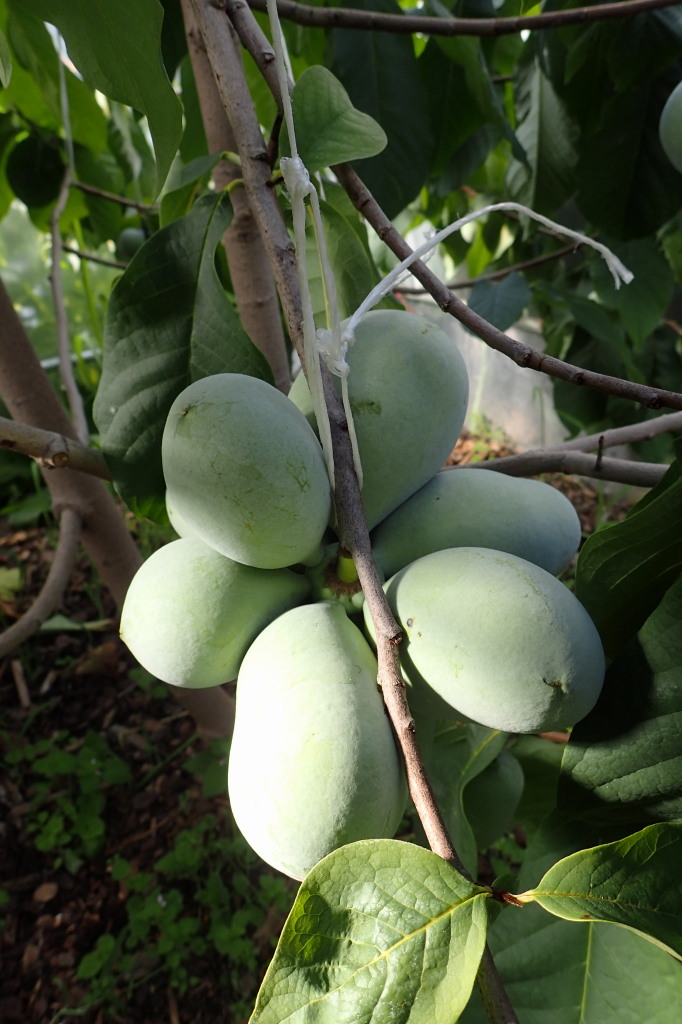
Size/Weight: descriptions mention approximately ≈149-339 g per fruit (≈300 g as a guideline); European nursery cards often state ~300 g. Shape/Skin: elongated-oval, skin is greenish-yellow, sometimes with mottled coloring upon ripening. Pulp and Taste: yellow, creamy; flavor is sweet with banana-mango notes; in tastings, 'Davis' often receives positive ratings for flavor quality. Seed Percentage: ~6–8%. Skin Color When Ripe: greenish-yellow.
Ripening Times — Clarifying Conflicting Sources
Interpretation: ripening timing strongly depends on region and micro-climate (warmer region → earlier; cooler → later). Sources are conflicting — some give late September – first week of October, others mark it as mid/late (mid-October); one commercial nursery describes it as one of the earliest. Summary: typically late September → mid-October, variable. For planning in temperate climates, expect ripening in this window.
Yield
Annual yield at maturity: 11–19 kg. Described as a productive variety, though quantitative data (kg/tree) in open sources is limited — data mostly comes from practical reports.
Entry into Fruiting
Grafted saplings usually bear fruit 3–5 years after planting; individual timing depends on the age and structure of the sapling.
Tree — Growth, Size, Habit
Height/Form: typical for pawpaw, ≈4–6 m in height (without heavy pruning). Tree Form: upright, compact. Growth Rate: fast, can be formed as a multi-stemmed shrub.
Pollination
Cross-pollination is necessary. Like all pawpaws, Davis does not provide reliable self-pollination; other varieties/selections with overlapping bloom phases must be present nearby. Manual pollination can be used to improve results.
Cold Hardiness and Climatic Suitability
USDA zones: typical range 5–9 — adult trees withstand approximately down to −25...−28 °C. Davis, originating from a Michigan collection, is suitable for temperate/cold areas.
Disease and Pest Resistance
Davis is described as "not particularly vulnerable" and "stores well", with no known unique vulnerabilities for this clone. Typical pawpaw problems (leaf spot, caterpillars, moths) are controlled by standard agro-technical measures.
Post-Harvest Logistics — Storage and Transport
Davis is mentioned as a variety that holds up well in cold storage (handles refrigeration better), making it more convenient for marketing/transport than some other varieties. This is confirmed by nursery descriptive cards.
Gardener Reviews and Practical Experience
Reputation: Davis has a good reputation among gardeners for "good taste", "good productivity", and "storing well". In pawpaw contests/festivals, material from the Davis collection has received positive feedback. However, as with most varieties, results depend on local climate and pollination.
Data Gaps and Unknowns
Large-scale quantitative data (multi-year average fruit labels, average yields per tree in standardized trials) are lacking. Most data for Davis come from nursery cards, practical reviews, and regional descriptions.