Key Points
- Origin: a commercial clone from the Peterson Pawpaws series, one of the earliest.
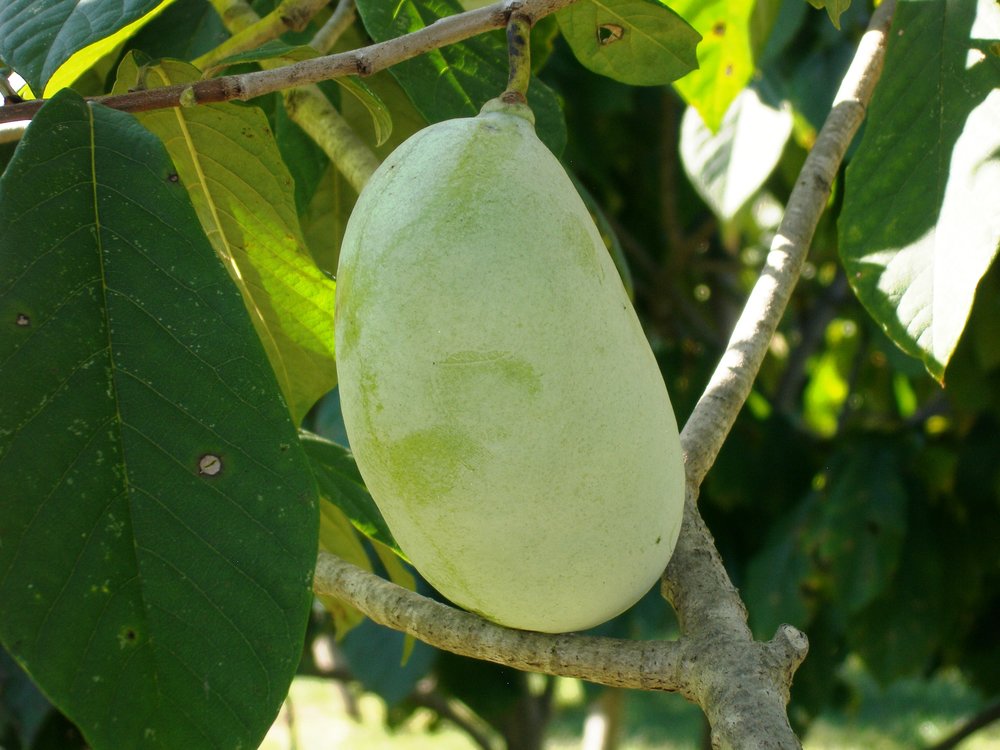
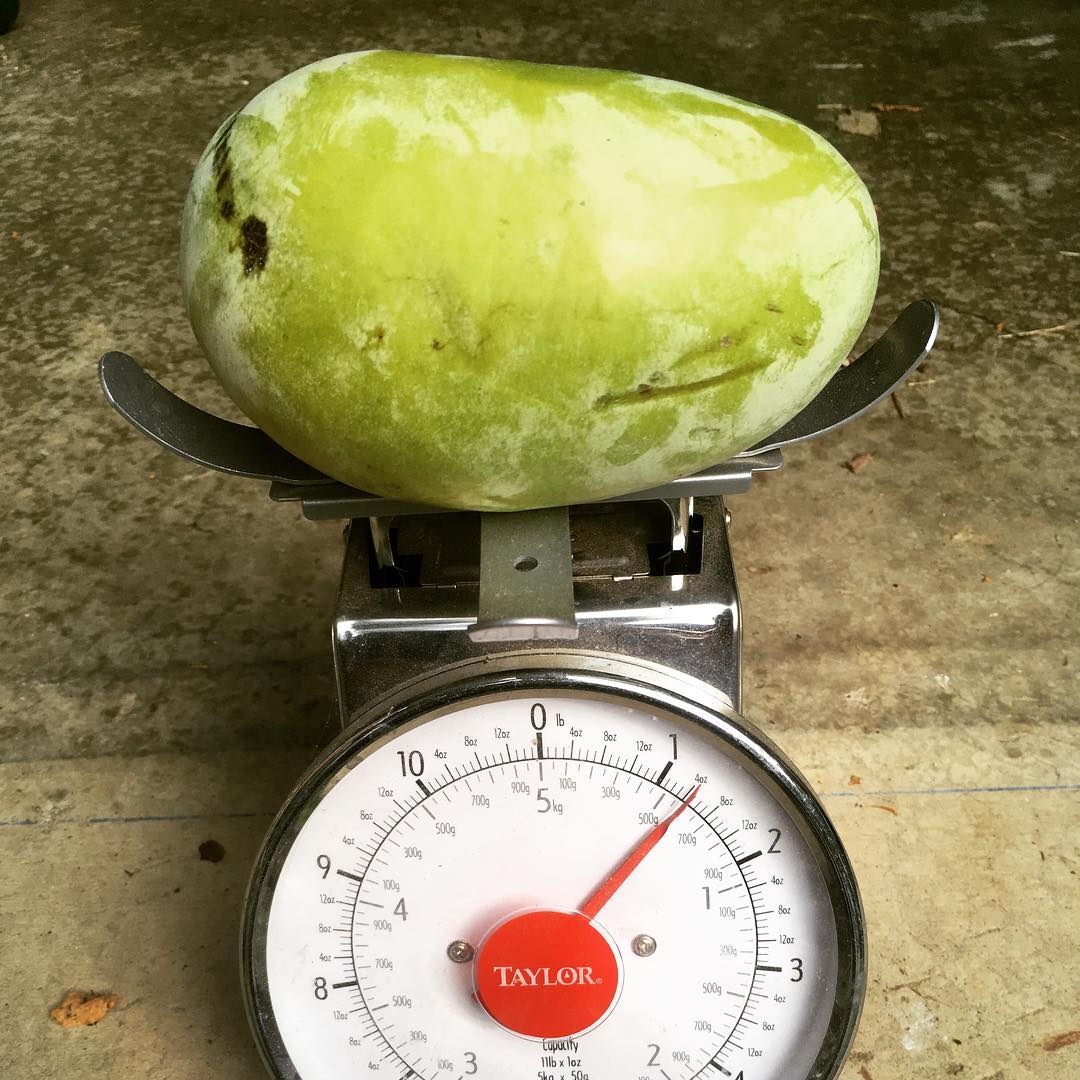
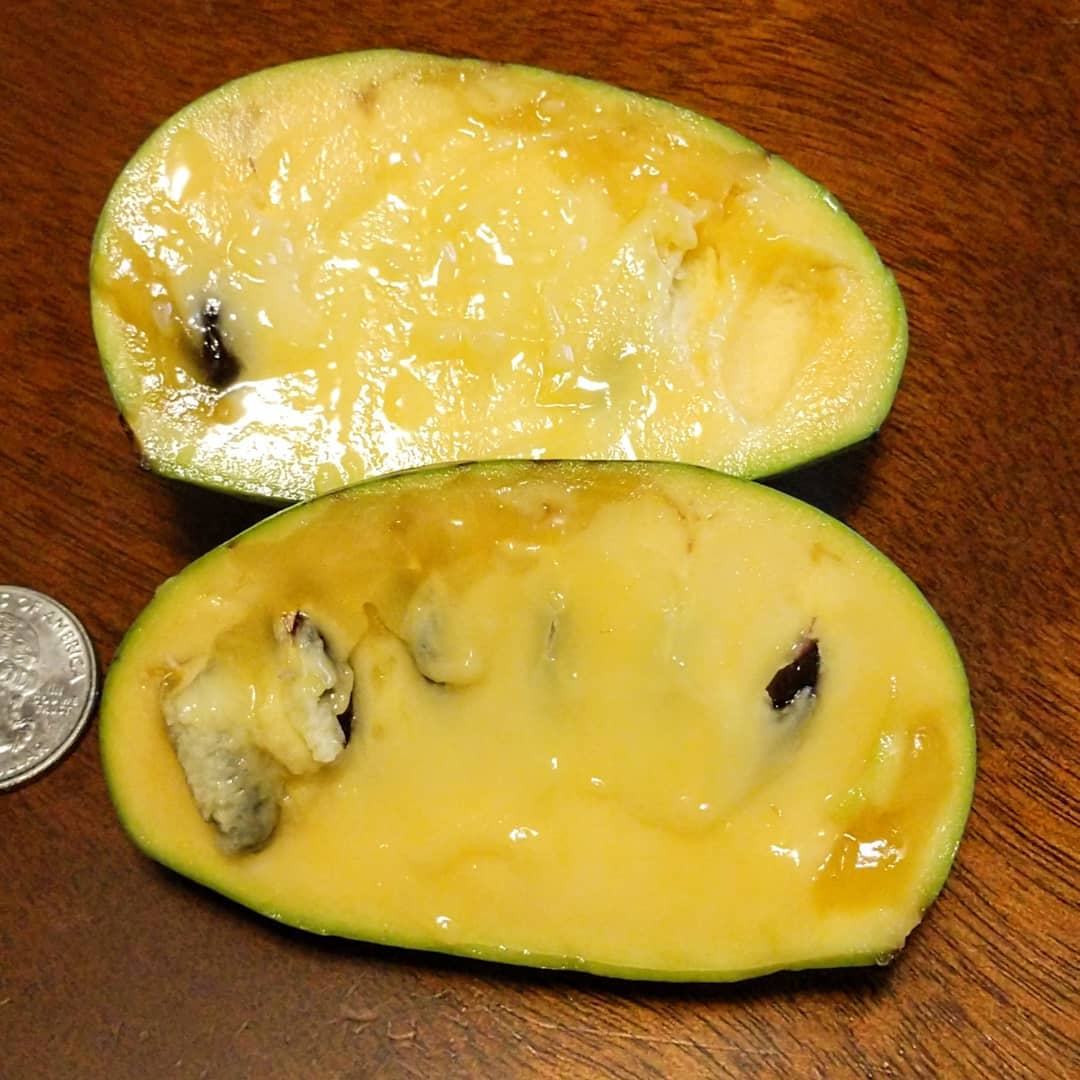
- Fruit: creamy-yellow, delicious, ~225 g (up to 280 g with thinning), ~8% seeds.
- Ripening: early autumn, suitable for short seasons.
- Hardiness: USDA zones 5–8.
- Tree: 3–4.5 m, medium-strong growth.
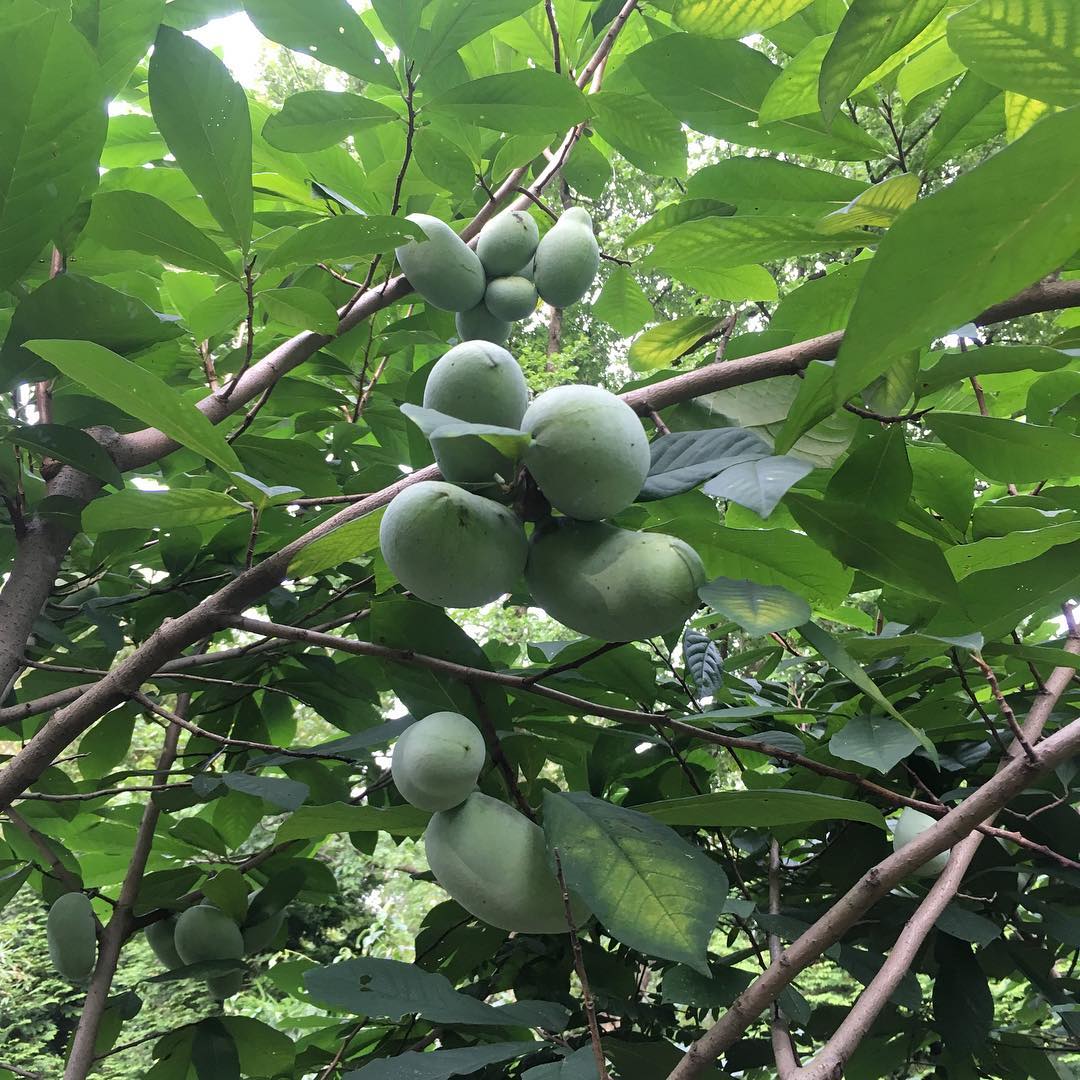
- Yield: very productive, requires thinning for large fruits.
- Pollination: cross-pollination required, different varieties needed.
- Resistance: low susceptibility to diseases/pests.
Variety Description
Origin and Selection
Author/Origin: Allegheny is one of the commercial cultivars promoted as part of the Neal Peterson (Peterson Pawpaws) variety series. It is not a "wild find" but a selection/clone offered in the Peterson program. Allegheny is often referred to as "Peterson's earliest variety".
Fruit Description (Size, Pulp, Taste)
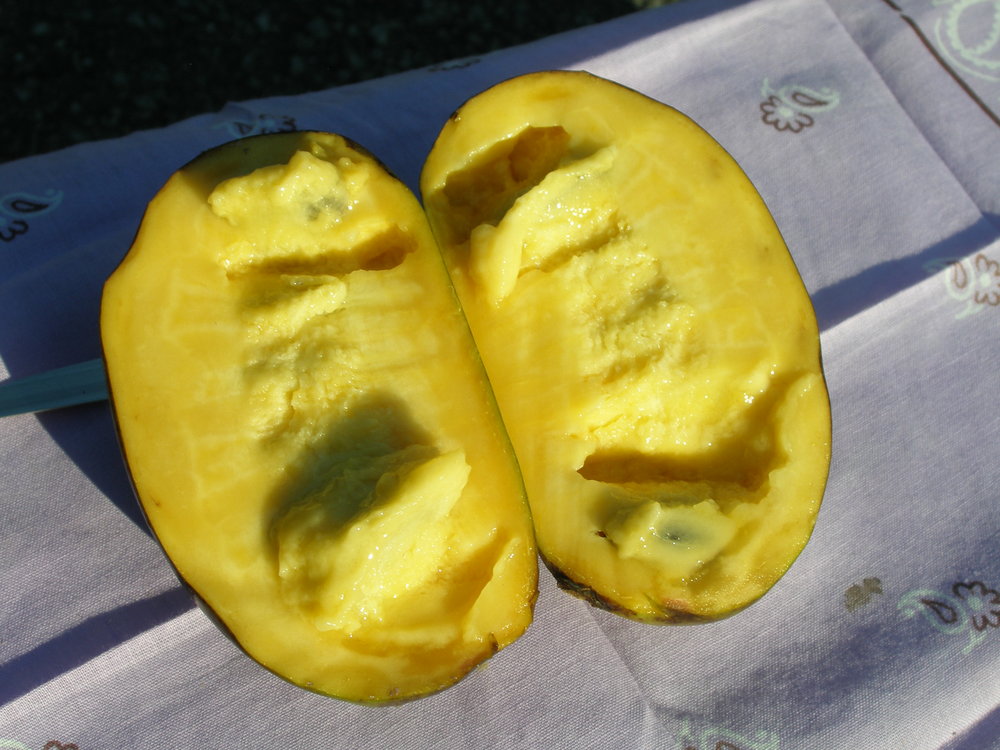
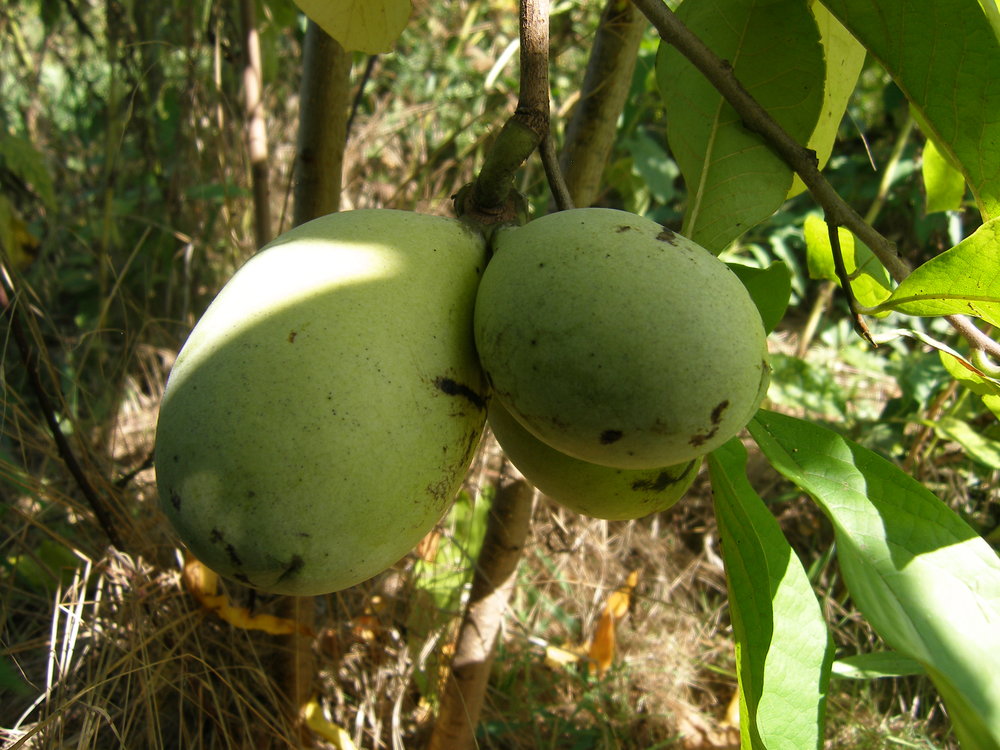
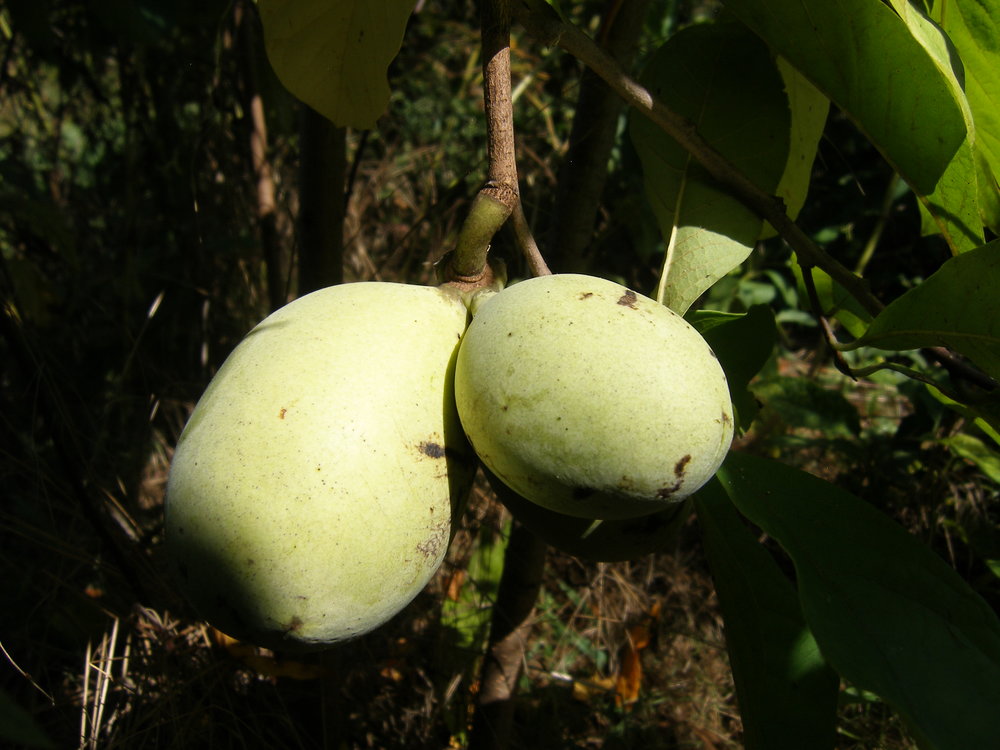
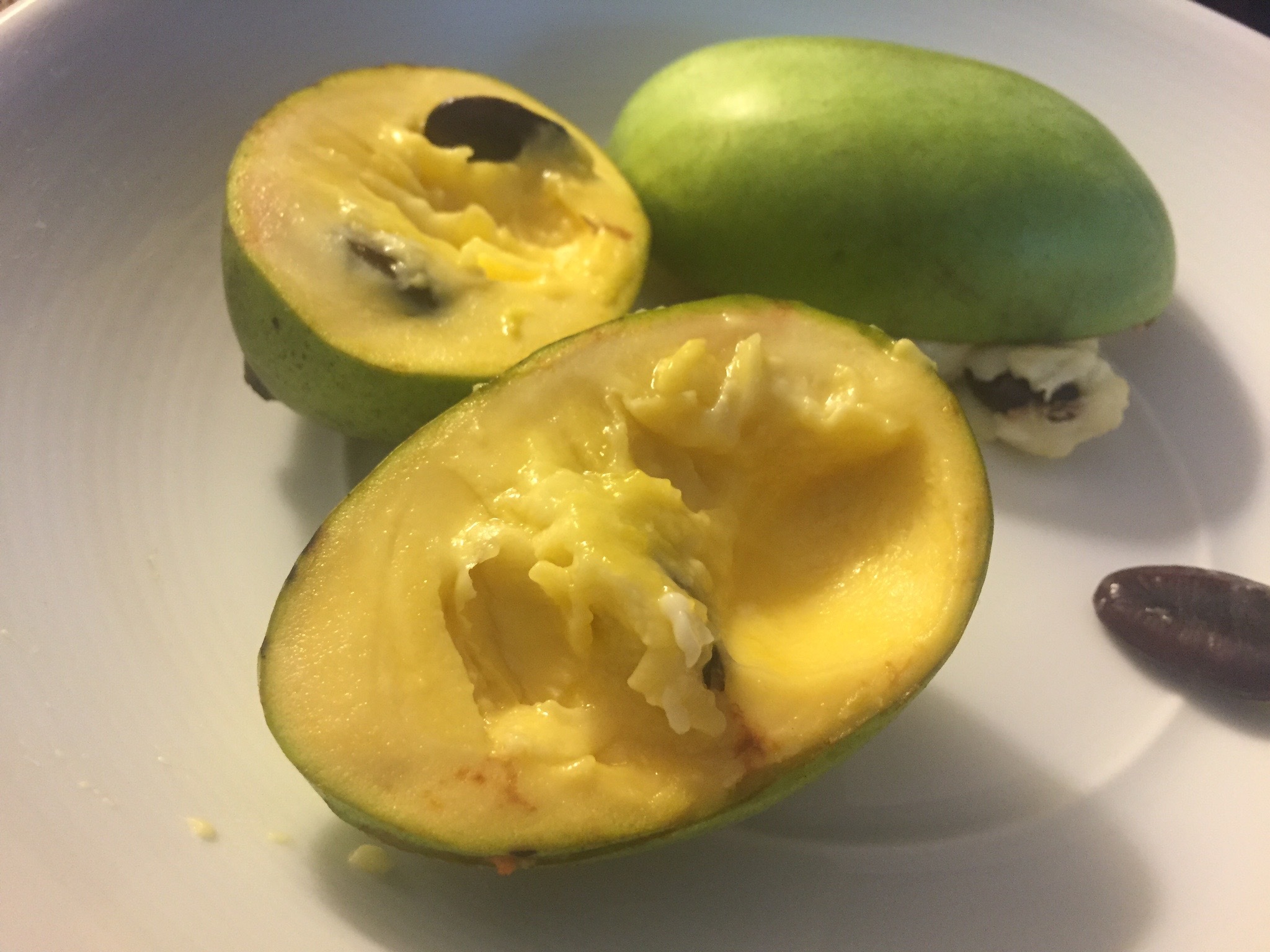
Size: typically less than ~225 g under standard conditions; with early thinning, fruits can reach ~280 g. Some sources state that the variety yields "some of the largest fruits with proper cultivation/thinning". Pulp and Taste: creamy-yellow pulp, taste — sweet, intense, rich, with citrus undertones, texture — medium-dense and smooth. The taste is one of the main reasons for Allegheny's popularity among tasters.
Seeds/Seed Ratio
Peterson provides an estimate of "~8% by weight" (a relatively small percentage of seeds), but this depends on the specific harvest and fruit size.
Ripening Times
Early autumn/early variety — Allegheny is known for its early maturity compared to many other cultivars; many catalogs list it as "earliest ripening of Peterson’s introductions". This makes it suitable for regions with shorter warm seasons.
Hardiness/Adaptation
USDA zones: usually Zone 5–8 (suitable for the northern limit of pawpaw cultivation). Nurseries emphasize good cold hardiness and suitability for temperate-cool regions.
Tree Growth, Habit
Growth: stronger than typical pawpaws — medium-strong to strong; adult height during fruiting is usually 3–4.5 m, without pruning it may be taller. Formative pruning is recommended for fruit accessibility.
Yield and Agricultural Recommendations
Yield: Allegheny is very productive; however, due to high fertility, fruits may lack size, so thinning is practiced to increase individual fruit mass. Peterson directly advises thinning if fruits >225 g are desired.
Soil/Sun Needs
Likes fertile, well-drained soils with high organic content; in hot regions, partial shade is desirable to avoid sunburn on young trees. Watering and mulching are recommended.
Pollination
Cross-pollination is mandatory. Allegheny is not self-pollinating for stable yields — plant at least two different varieties or a mix of varieties + seedlings nearby. Also, to improve pollination efficiency, hand pollination is sometimes used or "pollen bridges" (combinations with compatible varieties) are created.
Diseases and Pests
Generally resistant. Pawpaw has low susceptibility to serious diseases; in wet seasons, leaf spot or fruit rot may occur, occasionally attacks by some caterpillars/fruit moths. Recommendations — ventilation, avoiding stagnant moisture, sanitation. No publicly known specific problems for Allegheny.
Gardener Reviews and Practical Experience
Tasters and buyers praise Allegheny for its earliness and excellent taste; the main "operational" remark is excessive fertility, leading to small fruits without thinning. Many reviews state that Allegheny is a good option for gardens where an early and stable harvest is important.