Key Points
- Origin: selected by Al Horn in Indiana; synonyms include Horn’s White, Al Horn White Flesh.
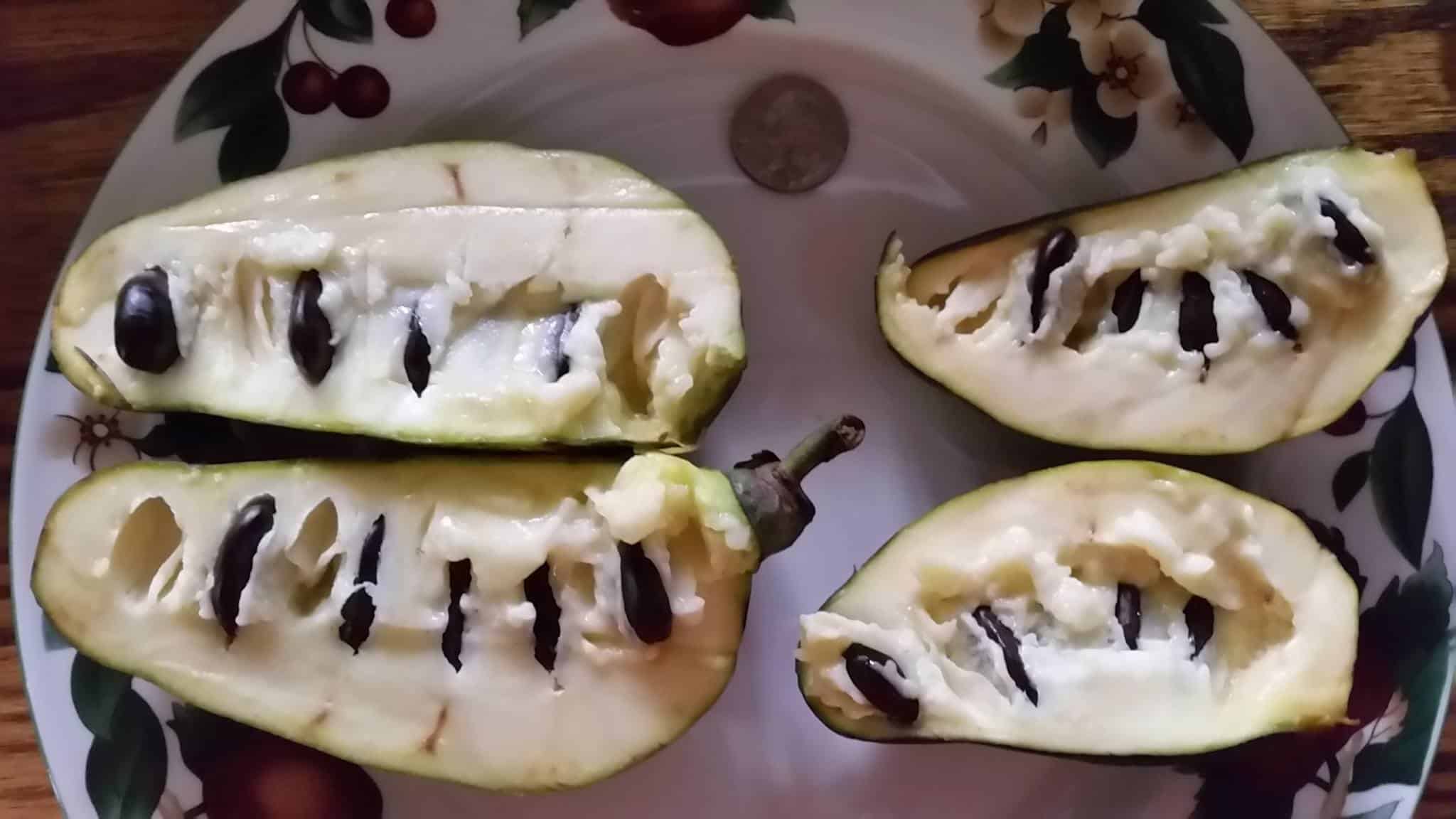
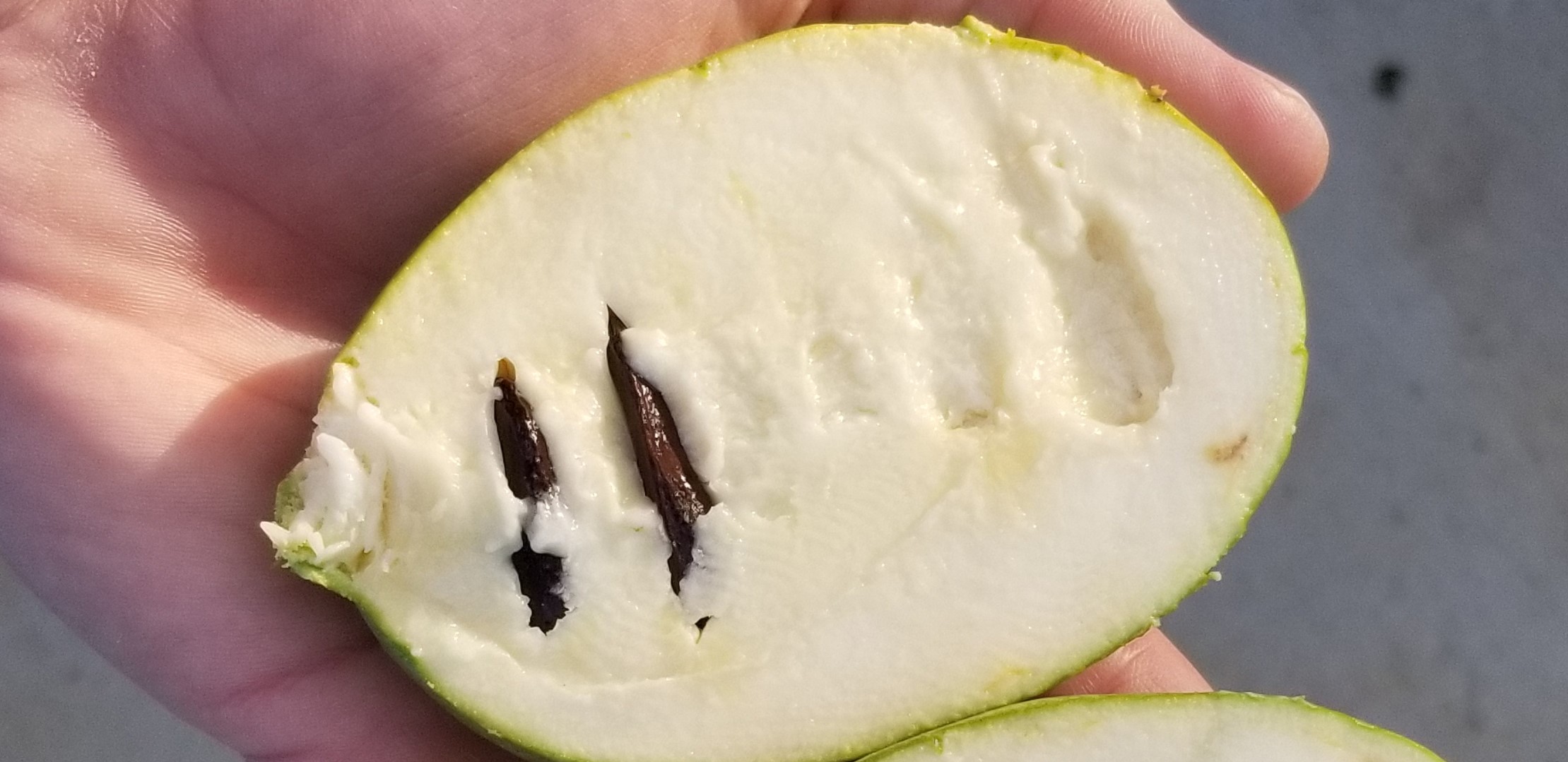
- Fruit: flesh is almost white, tropical taste with coconut/pineapple notes, no bitterness, size 200–340 g.
- Ripening: late; risky for cool zones, requires a warm microclimate.
- Tree: medium-strong growth, possible establishment difficulty in early years.
- Yield: depends on pollination; cross-pollination is mandatory.
- Resistance: low susceptibility to diseases/pests, typical for all pawpaws.
- For Northern/Cool Climates: only as a collection variety in a warm spot, paired with early pollinators.
Detailed Description of Al Horn Variety
Origin
Selected by Al Horn in Indiana; often sold as Horn’s White or Al Horn (White Flesh). Synonyms in catalogs/communities: Al Horn, Horn’s White, Al Horn White Flesh / Whiteflesh.
Fruit
Flesh Color: very light, almost white, which is a rare trait for pawpaw; skin is light greenish, sometimes "almost transparent". Taste and Aroma: mild, sweet, often described as tropical with hints of coconut/pineapple; without harsh aftertaste (though some enthusiasts note that some "white" selections may give a slight bitterness in certain years/trees). Texture: creamy, custard-like. (Typical for quality varieties; "creamy white flesh" is directly mentioned.) Fruit Size: ~200–340 g — medium/large.
Ripening Times and Climate Suitability
Late ripening. Nurseries explicitly state late ripening; there are warnings that it is not recommended for northern growers due to late timing. In Britain/Europe, risks in the northernmost zones are also noted. Al Horn is risky in open areas; to succeed, it needs a warm summer, the warmest possible microclimate (wind protection, southern slope, mulch, warm walls) and, preferably, manual pollination to speed up fruit set.
Tree, Growth
Growth Vigor: typical for cultivated pawpaws (medium-strong/strong). There is a mention in the specialized community that it is "hard to establish" despite its high taste rating. This is more of a warning for the starting years.
Yield and Pollination
Exact yield figures for Al Horn are not available in open sources; like all pawpaws, it requires cross-pollination by another genetically distinct variety for stable yields.
Disease/Pest Resistance
No specific "vulnerabilities" for Al Horn are described; overall, pawpaw is little affected by most pests and diseases, so it's often recommended for organic growing.
Conclusions for Cooler/Short-Season Climates
Al Horn attracts with its unique white flesh and mild "coconut-pineapple" profile, but it is a late-ripening variety. For the purpose of a fruit conveyor until the first frosts in October — it is not an optimal candidate as a primary variety. It can be kept more as a collection/dessert specimen in the warmest point of the garden; mandatory pairing with an early/mid-early pollinator (Nyomi’s Delicious, VE-21, Prima 1216, etc.) is required.